
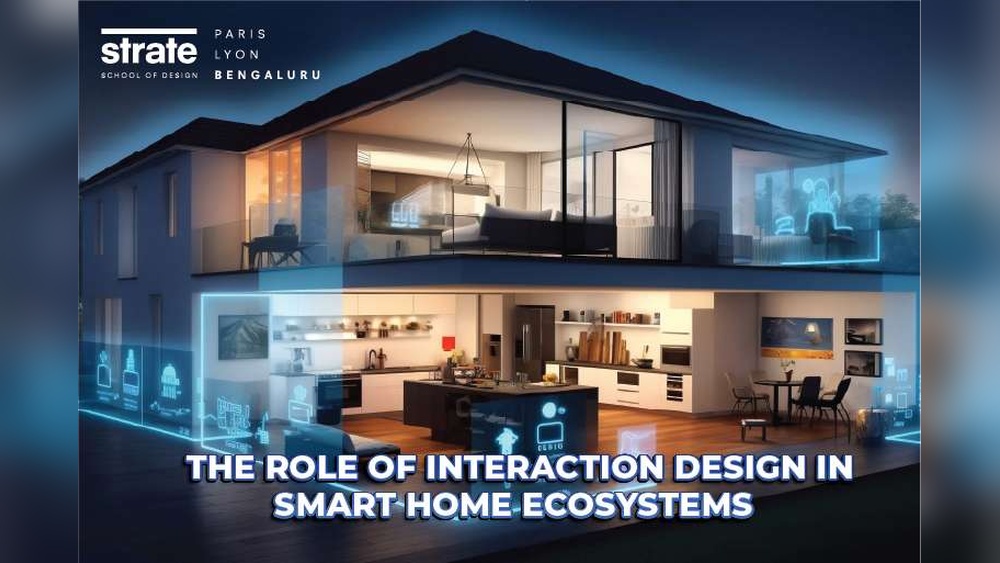
Have you ever heard about a smart home? Many people talk about smart homes today. But what does it really mean? A smart home is a house with devices that can talk to each other. These devices help make life easier and more comfortable.
But a smart home is more than just one device. It is a group of devices working together. This group is called a smart home ecosystem. Let’s learn what this means and how it works.
What is a Smart Home Ecosystem?
A smart home ecosystem is a system made of many smart devices. These devices connect to each other using the internet. They share information and work as a team.
Think about your home. You have lights, a TV, a thermostat, and maybe a security camera. In a smart home ecosystem, these devices talk and listen to each other.
For example, when you say “Good night” to your voice assistant, the lights turn off, the door locks, and the alarm system turns on. All these devices work together. This is a smart home ecosystem in action.
Why Do People Use Smart Home Ecosystems?
People use smart home ecosystems for many reasons:
- Comfort: Devices do tasks for you.
- Safety: They help protect your home.
- Energy Saving: They use energy only when needed.
- Control: You can control devices from your phone.
These benefits make smart homes popular today.

Credit: www.nextmsc.com
Key Parts of a Smart Home Ecosystem
Now, let’s see the main parts of a smart home ecosystem. Knowing these parts helps understand how it works.
1. Smart Devices
Smart devices are things you use every day. They have a small computer inside. They connect to the internet and other devices.
Here are some examples:
- Smart lights
- Smart thermostats
- Smart speakers or voice assistants
- Security cameras
- Smart locks
- Smart plugs
Each device can do its job well. But together, they do more.
2. Central Hub Or Controller
The central hub is like the brain of the ecosystem. It connects all devices. It helps them talk and work together.
Sometimes, the hub is a special device. Other times, your smartphone or voice assistant acts as the hub.
For example, Amazon Echo or Google Home can be the hub. They listen to your commands. Then, they send instructions to other devices.
3. Network Connection
To work, devices need to connect to each other. This happens over a network. Most smart homes use Wi-Fi. Some use special connections like Zigbee or Z-Wave.
Good network connection is important. It helps devices send and receive information fast.
4. Mobile Apps
Mobile apps let you control your smart home. You can use apps on your phone or tablet.
With apps, you can:
- Turn lights on or off
- Check cameras
- Change thermostat settings
- Lock or unlock doors
Apps make control easy, even when you are away from home.
How Does a Smart Home Ecosystem Work?
Now, let’s see how all these parts work together. It is simple when you break it down.
Step 1: Devices Connect To The Network
First, each smart device connects to your home network. This lets them talk to each other.
For example, your smart light connects to Wi-Fi. So does your smart speaker and thermostat.
Step 2: The Hub Controls Devices
The hub listens to your commands. It also gets data from devices. It knows what each device is doing.
For example, your smart camera sends video to the hub. The hub can send this video to your phone.
Step 3: You Give Commands
You can tell your smart home what to do. You can use your voice or app.
For example, say “Turn off the lights.” The hub hears this. Then, it tells the lights to go off.
Step 4: Devices Work Together
Devices can work as a team. This is called automation.
For example, when you unlock the smart door, the lights can turn on automatically. Or, when you leave the house, the thermostat can turn down the heat.
Step 5: Data Is Shared
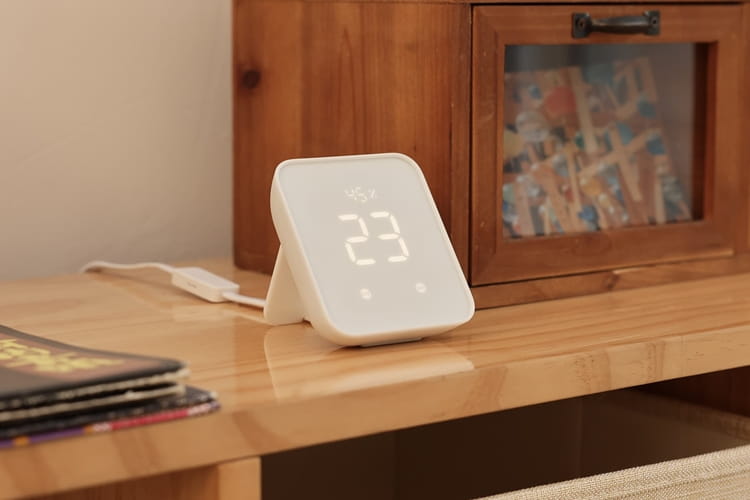
Devices share information to work better. For example, a motion sensor can tell the lights to turn on when you enter a room.
This sharing makes your home smart and responsive.
Credit: www.nordicsemi.com
Examples of Smart Home Ecosystem in Daily Life
Let’s look at some simple examples you may find helpful.
| Situation | Smart Home Action |
|---|---|
| Wake up in the morning | Lights slowly turn on. Coffee maker starts brewing. |
| Leave home | Doors lock. Thermostat lowers temperature. Security cameras activate. |
| Arrive home at night | Porch lights turn on. Door unlocks when you approach. |
| Watch TV | Lights dim. TV turns on to your favorite channel. |
| Go to bed | All lights turn off. Doors lock. Alarm system activates. |
These examples show how smart home devices help daily life.
How to Start Your Own Smart Home Ecosystem
If you want a smart home, you do not need many devices at once. Start small and add more later.
Here is a simple plan:
- Pick one or two smart devices like smart bulbs or a voice assistant.
- Connect devices to your home Wi-Fi network.
- Download the app for your devices on your phone.
- Try simple commands like turning lights on or off.
- Add more devices as you feel comfortable.
Remember, the goal is to make your home easier and more comfortable.
Important Things to Know About Smart Home Ecosystems
Here are some useful tips and facts.
- Compatibility: Devices should work well together.
- Privacy: Smart devices collect data. Be careful with your information.
- Internet: A strong internet connection helps devices work well.
- Security: Use strong passwords to protect your devices.
- Updates: Keep devices updated for best performance.
These points help you have a better smart home experience.
Frequently Asked Questions
What Is A Smart Home Ecosystem?
A smart home ecosystem is a group of devices connected to work together. They share data and control functions to make life easier.
How Do Smart Home Devices Communicate?
Smart devices connect using Wi-Fi, Bluetooth, or Zigbee protocols. This allows them to send and receive commands.
Can Smart Home Systems Work With Voice Assistants?
Yes, most smart home systems support voice assistants like Alexa or Google Assistant. This lets you control devices by speaking.
What Devices Are Part Of A Smart Home Ecosystem?
Common devices include smart lights, thermostats, cameras, locks, and speakers. They all work together for convenience.
Conclusion
A smart home ecosystem is many devices working together. They connect through the internet. They make your home safer, more comfortable, and easier to manage.
With a smart home ecosystem, you can control many things from one place. You can use your voice or phone. Devices can also work automatically to help you.
Starting a smart home ecosystem is simple. Begin with a few devices and add more over time. Always think about safety and privacy.
Smart homes are becoming more common. They help us live better and save energy. Now you know what a smart home ecosystem is and how it works.