
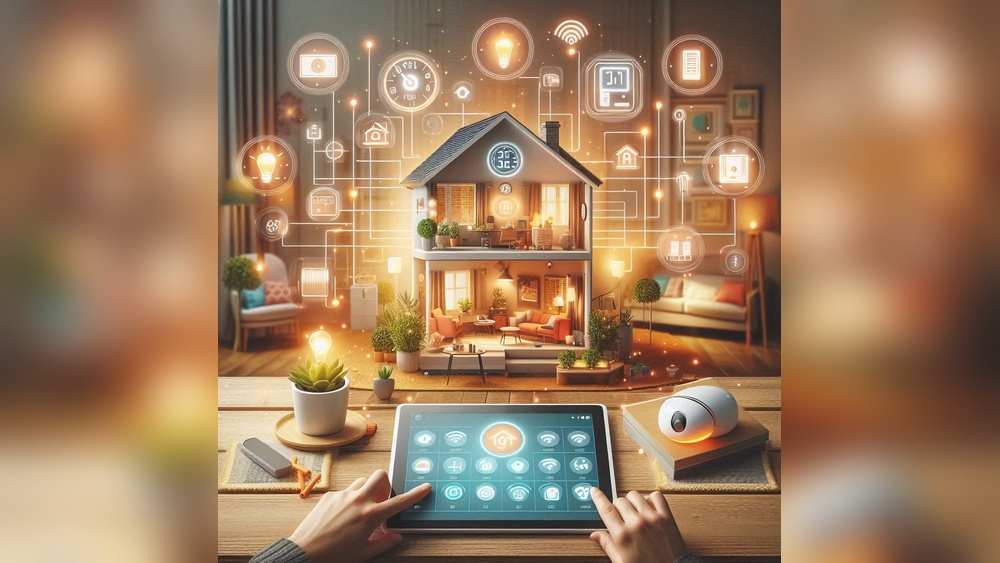
Smart home systems are becoming more popular every day. They help people live more comfortably and safely. But how do these systems learn what each person likes? How do they change to fit your needs? This article explains how smart home systems adapt to user preferences in simple words.
What Are Smart Home Systems?
Smart home systems connect devices in your home. These devices can be lights, thermostats, security cameras, or speakers. You can control them using your phone or voice. The goal is to make your home easy to manage.
For example, you can tell a smart speaker to turn off the lights. Or you can set the thermostat to warm the house before you arrive. These systems can do many tasks automatically.
Why Do Smart Home Systems Need to Adapt?
Every person likes different things. One person likes the room warm, another likes it cool. Some people want bright lights, others want dim lights. People also have different daily routines.
Smart home systems that do not adapt might not be very useful. You want a system that learns your habits. It should change to fit what you like. This makes your home more comfortable and saves energy.
How Do Smart Home Systems Learn About You?
Smart home systems use different ways to learn your preferences. Here are some common methods:
- Manual Settings: You tell the system your preferences. For example, you set the temperature or light level.
- Usage Patterns: The system watches how you use devices. It learns when you turn on lights or adjust the thermostat.
- Voice Commands: Your spoken requests help the system understand your needs.
- Sensors: Sensors detect motion, light, or temperature. This helps the system make smart decisions.
By combining this data, the system creates a profile of your likes and dislikes.
Examples of Adaptation in Smart Home Systems
Here are some ways smart systems change based on what you want:
1. Lighting Control
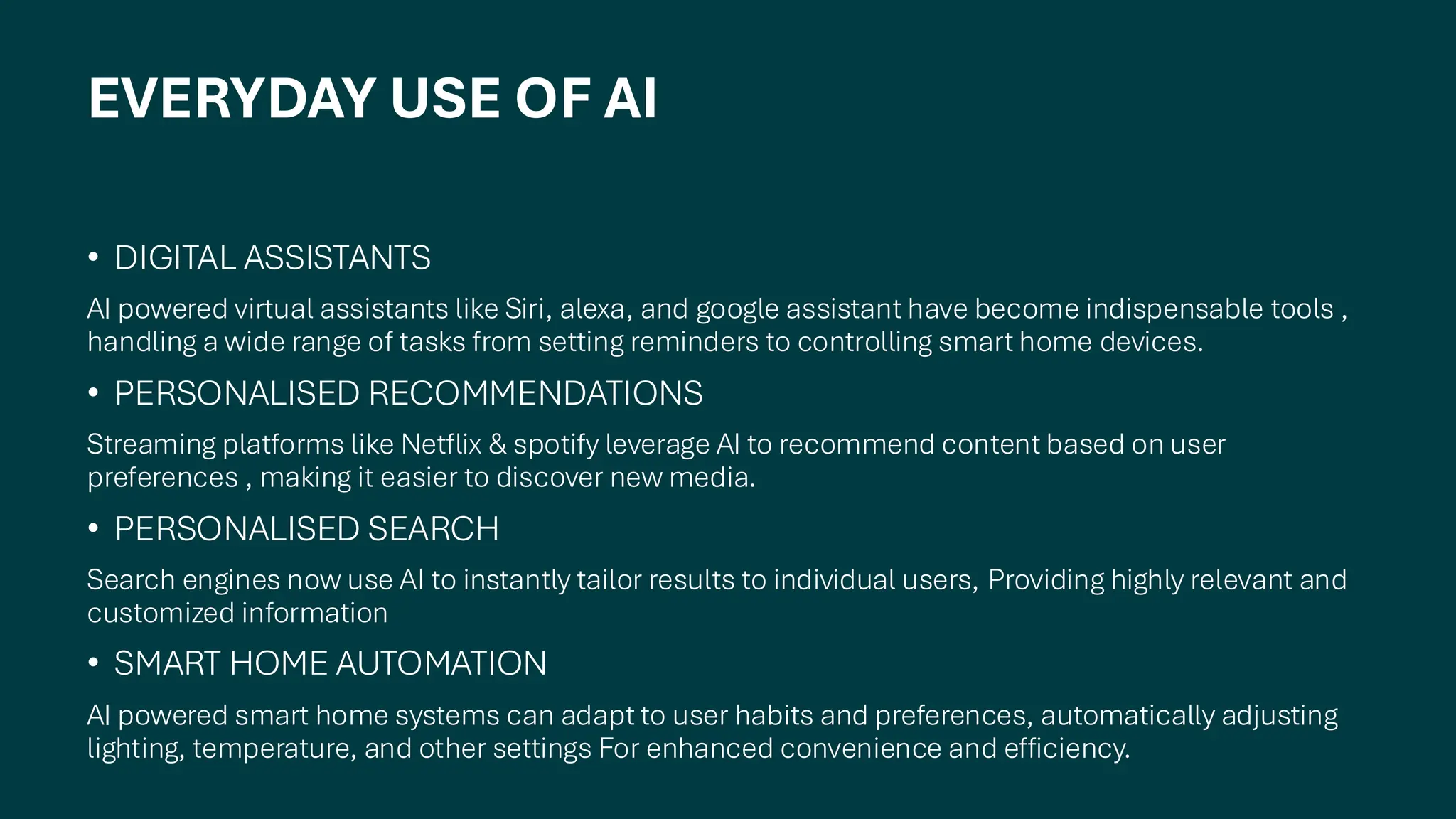
The system learns when you like lights on or off. It can adjust the brightness based on the time of day. If you like soft light in the evening, it sets the lights to low.
Some systems even change light color. For example, cool light in the morning and warm light at night.
2. Heating And Cooling
Smart thermostats learn your schedule. They know when you leave home or come back. The system adjusts the temperature to save energy when you are away.
It also remembers your favorite temperature for day and night. This way, your home is always comfortable.
3. Security Settings
Smart security cameras and alarms adapt to your routines. The system can turn on cameras when you leave. It can also silence alarms if it knows you are home.
Some systems recognize familiar faces. They alert you only if strangers are nearby.
4. Entertainment
Smart speakers and TVs learn what music and shows you like. They suggest content based on your past choices. They can also adjust volume based on the time or who is home.
Technology Behind Adaptation
Smart home systems use special technology to learn and adapt. Here are some key parts:
| Technology | How It Helps |
|---|---|
| Machine Learning | Helps the system learn from your actions and improve over time. |
| Artificial Intelligence (AI) | Allows the system to make smart decisions based on data. |
| Internet of Things (IoT) | Connects devices so they can communicate and work together. |
| Sensors | Detects movement, light, temperature, and more to understand your environment. |
| Cloud Computing | Stores data and runs programs to process your preferences remotely. |
Privacy and Security
Smart home systems collect a lot of data about you. This can include your habits and daily routines. It is important that this data stays safe.
Many companies use strong protections to keep your data private. You should also set strong passwords. Be careful what you share with your smart devices.
Credit: www.slideshare.net
How to Help Your Smart Home Learn Better
You can do some simple things to help your system adapt faster:
- Use the devices regularly. The system learns from your daily actions.
- Give clear commands. This helps the system understand your preferences.
- Adjust settings manually at first. It sets a good starting point.
- Update the system software. Updates can improve learning features.
Benefits of Adapted Smart Home Systems
When a smart home system fits your needs, life gets easier. Here are some benefits:
- Comfort: Your home feels just right for you.
- Energy Saving: The system uses energy only when needed.
- Convenience: Less need to control devices manually.
- Security: Better protection based on your routines.
Future of Smart Home Adaptation
Smart home systems will continue to get better at learning. New technologies will make them more helpful. They may even predict your needs before you say anything.
For now, these systems already make homes more comfortable and smart. The key is their ability to adapt to you. This makes smart homes truly personal.

Credit: media.jaguar.com
Frequently Asked Questions
How Do Smart Home Systems Learn User Habits?
Smart home systems track your actions over time. They use this data to adjust settings automatically. This helps create a personalized living space.
Can Smart Home Systems Adjust Lighting Based On Preferences?
Yes, smart lighting adjusts brightness and color to suit your mood. It learns your schedule and changes lights accordingly. This improves comfort and saves energy.
How Do Smart Thermostats Adapt To User Routines?
Smart thermostats remember your temperature preferences at different times. They lower heating or cooling when you’re away. This keeps your home comfortable and saves money.
Do Smart Home Systems Improve Security Based On User Behavior?
Smart security systems detect unusual activity by learning your routine. They send alerts if something seems wrong. This helps protect your home better.
Conclusion
Smart home systems learn your preferences using many tools. They watch your actions, listen to commands, and use sensors. This helps them adjust lights, temperature, security, and more.
By adapting to your needs, smart homes improve comfort and save energy. Privacy is important, so be careful with your data. Use your smart devices often and clearly to help them learn.
In the future, smart homes will be even smarter. They will know you better and fit your lifestyle perfectly. For now, enjoy the ease and comfort they bring today.