
The best smart lights for Google Home are the ones that fit the room, the people using it and the setup you already own. A dependable bulb in the bedroom is more useful than a complicated lighting system that no one wants to maintain.
Start with one room. Decide whether you need simple voice control, a reliable everyday routine, colored accent lighting or a larger whole-home system. Then choose a light that clearly supports Google Home or Matter, confirm the connection it uses and make sure the wall switch will not constantly cut power to it.
Quick answer: which Google Home smart lights should you choose?
- For a polished whole-home lighting system: Philips Hue is a strong fit when you want a broad range of bulbs, lamps, switches and sensors under one lighting system.
- For a Matter over Thread setup: Nanoleaf Essentials is worth considering when the home already has the compatible Matter and Thread equipment those products require.
- For a simple first room: a clearly Google Home-compatible Wi-Fi bulb can be the easiest place to begin, especially for a lamp or one ceiling fixture.
- For renters: start with portable bulbs, plug-in floor lamps or removable light strips, then keep the original bulbs and fixtures together for move-out.
There is no need to replace every light at once. A single dependable room is the best test of whether the controls, brightness and routines genuinely improve daily life.
Check compatibility before buying
Google Home supports more than one path to smart lighting. A product may connect through its maker's app and an account link, or it may be added as a Matter device directly in Google Home. Google explains both routes in its smart-light setup guidance and Matter device instructions.
Before putting a bulb in the cart, check these four details on the product page or box:
- Google Home or Matter support: Look for a clear compatibility statement, not a vague reference to voice control.
- Connection type: Wi-Fi, Bluetooth, a brand bridge and Matter over Thread each have different setup requirements.
- Fixture and bulb base: Confirm the bulb shape, base, voltage and whether the fixture is enclosed or on a dimmer.
- Physical controls: Decide how guests and family members will turn the light on when they do not want to use an app or voice command.
A Matter logo can be useful when you want one light to work across compatible smart-home platforms. It does not remove the need to check the exact product, controller and connection requirements. Matter over Thread lights, for example, need compatible Matter and Thread equipment in the home before that route makes sense.
Best Google Home smart lights by setup
Best for a full lighting system: Philips Hue
Philips Hue is a sensible choice when lighting will become a meaningful part of the smart home rather than a few isolated bulbs. The range includes bulbs, lamps, switches and sensors, so the same system can grow from one room into a larger setup without forcing every room to use a different app. Philips Hue provides its own Google Home connection steps, which is helpful when choosing between a direct setup and a bridge-based system.
It is most compelling for households that value consistent controls, want physical accessories alongside voice control or expect to add lights gradually. It can be more than a first-room budget needs, so start with the room where reliable dimming, scenes or scheduled lighting will matter every day.
Check Price on Amazon for Philips Hue White and Color AmbianceView on Amazon ↗
Best for a Matter over Thread home: Nanoleaf Essentials
Nanoleaf Essentials Matter over Thread bulbs and light strips can suit a household that already has the right Google Home equipment and wants a platform-neutral smart-home path. Nanoleaf lists Matter over Thread support and notes the need for a compatible Matter controller and Thread border router on its product guidance.
This option makes the most sense when you have already confirmed the home can support Thread. Do not buy a Thread-only light just because the label sounds newer. A well-placed Wi-Fi bulb that stays connected is a better result than a more advanced product that cannot complete setup.
Check Price on Amazon for Nanoleaf Essentials Matter BulbsView on Amazon ↗
Best for a straightforward Wi-Fi room: WiZ
WiZ is worth a look for a simple lamp, bedroom or first smart-lighting room where Wi-Fi is already reliable. The brand confirms support for Google Assistant and Matter-capable control on its compatibility page. Check the specific bulb or lamp you are considering, because features and connectivity can vary by model.
This route is practical when the goal is a quick, useful upgrade: grouped lights, dimming, schedules and voice control without adding a separate lighting system. Keep the first room small enough to troubleshoot easily before expanding.
Check Price on Amazon for WiZ Full Color Smart BulbsView on Amazon ↗
Choose the right connection: Wi-Fi, a bridge or Matter over Thread
The connection type matters more than most product descriptions make it seem. It determines what equipment the light needs, how the setup works and how much complexity you are adding to the home.
- Wi-Fi: Often the simplest path for one or two lights. It is a practical choice for a starter room when the home Wi-Fi is stable.
- Brand bridge: Useful for a dedicated lighting system with many bulbs, accessories and rooms. A bridge can keep the lighting setup organized as it grows.
- Matter over Thread: A good option for a compatible smart home that wants to use Matter devices across platforms. Confirm the required controller and Thread border router before buying.
Do not treat one approach as automatically superior. The best choice is the one that fits the number of lights, the home network and the people who need to use the room without friction.
Smart-lighting details that make a real difference
Brightness and color temperature
Check lumens, not only watt-equivalent language. A dim accent lamp and a bright kitchen ceiling fixture have different jobs. For white light, look for a range that can shift from warm evening light to a clearer task-light setting if that suits the room.
Physical switch behavior
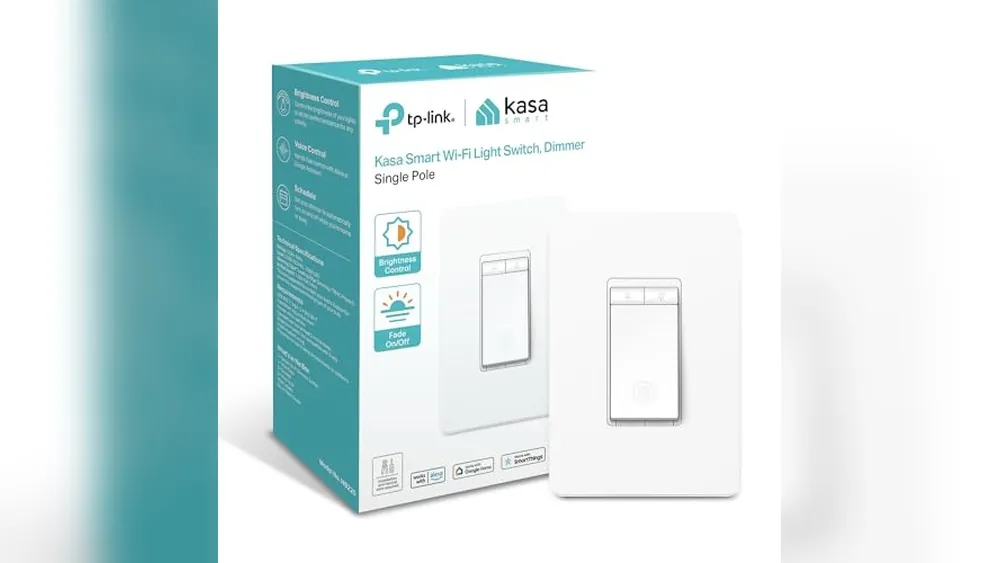
A smart bulb needs steady power. If a wall switch is routinely turned off, the bulb cannot respond to Google Home. For a shared room, consider a compatible smart switch, a button or a simple household rule that keeps the fixture powered. Do not use a standard dimmer with a smart bulb unless the bulb maker specifically says the combination is supported.
Routines should solve one everyday problem
Begin with an automation you will notice: a gentle wake-up in the bedroom, kitchen lights at breakfast time or a dim hallway path after bedtime. Google Home can organize lights by room and include them in household automations, but a small routine that works every day is more valuable than a long list of clever ones.
For broader planning, see the SavvyNests smart-home automation guide. Renters can also use a portable lighting setup as part of a wider renter-friendly smart home.
Set up the first room without creating a headache
- Choose one fixture or lamp that people use every day.
- Confirm the bulb base, brightness and compatibility before opening the box.
- Set up the product using the maker's current instructions, then add or link it to Google Home as directed.
- Name the light clearly and assign it to the correct room.
- Test on, off, dimming and one routine before adding more devices.
- Keep the original bulb if this is a rental or a fixture you may need to restore later.
If setup stalls, do not keep adding devices. Check the manufacturer's instructions, the phone permissions it requests and whether the selected connection type has the equipment it needs. Solving one light first is much easier than diagnosing an entire room after the fact.
Frequently asked questions
Do all smart lights work with Google Home?
No. Check the packaging or product page for either Works with Google Home support or Matter support, then follow the maker's current setup instructions.
Do I need a hub for Google Home smart lights?
Not always. Some bulbs connect by Wi-Fi, while Matter over Thread products need compatible Thread and Matter equipment. Some lighting systems also use their own bridge for broader control.
Are Matter smart lights better for Google Home?
Matter can make it easier to add and control compatible lights across more than one smart-home platform. It is useful when the rest of the home's setup supports it, but a reliable Wi-Fi light can still be the better fit for a simple room.
Can renters use smart lights?
Yes. Smart bulbs, plug-in lamps and removable light strips are usually easy to take to the next home. Avoid altering fixed wiring unless the lease permits it and the work is appropriate.
Which smart light should you buy?
Choose Philips Hue White and Color Ambiance if you want the strongest all-around choice. It is the easiest recommendation for a home that may grow beyond one room, because the wider Hue system keeps bulbs, switches, sensors and routines in one familiar setup.
Choose WiZ if you are keeping the first purchase simple and budget-conscious. It is a practical fit for a lamp or small room with solid Wi-Fi. Choose Nanoleaf Essentials Matter Bulbs if you are already building around Matter over Thread. The extra setup requirements are worthwhile only when your Google Home equipment is ready for them.
Start with the room that will benefit most
Smart lighting earns its place when it makes a routine easier, not when it adds another dashboard to manage. Choose the connection your home can support, start with a dependable room and expand only after the first setup feels natural for everyone who uses it.