Smart-home gear saves money only when it changes a real habit: heating an empty room, charging at the wrong time, watering after rain, or letting a small leak run unnoticed. A device does not create savings by being connected. It needs a clear job, sensible settings, and a home where that job matters.
Start with the bills that can actually move. Heating and cooling, hot water, electricity use, irrigation, and leaks are the strongest places to look. ENERGY STAR says certified smart thermostats save customers about 8% on heating and cooling bills on average, while the EPA says a typical family can waste 9,400 gallons of water each year through leaks. Your climate, utility rate, equipment and habits decide the real payoff.

1. Nest Learning Thermostat
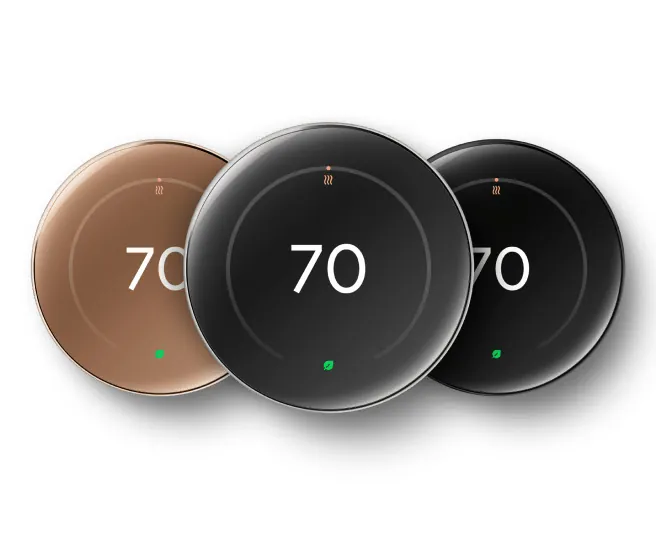
A learning thermostat can reduce waste when its schedule reflects real occupancy. Use it for a household with predictable away hours, then review the schedule rather than assuming the automatic settings are perfect. Compare Nest Learning Thermostats on AmazonView on Amazon ↗.
2. ecobee Smart Thermostat Premium
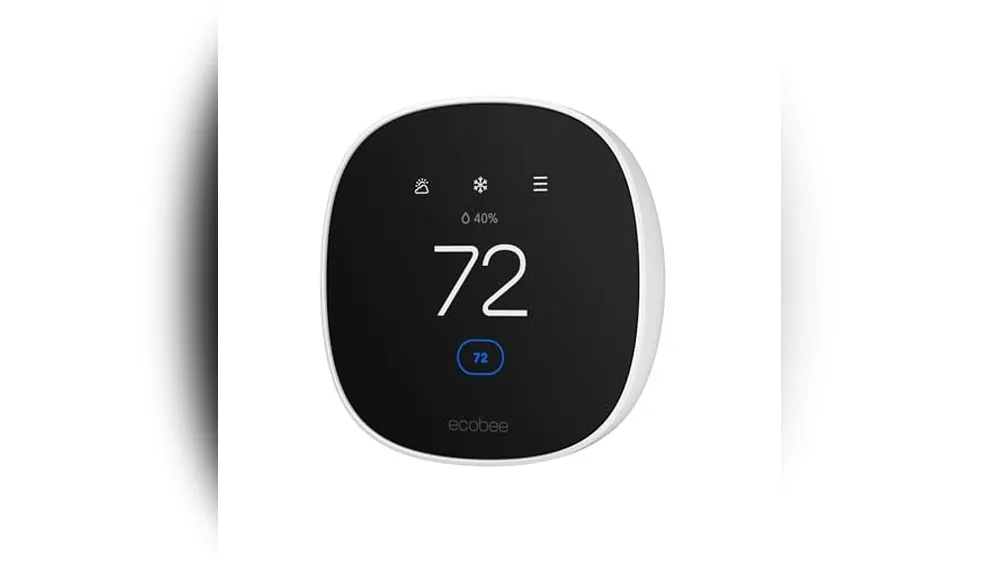
ecobee makes the most sense when one room runs warmer or cooler than the thermostat location. A room sensor can help comfort in the space you actually use, reducing the temptation to overheat or overcool the whole home. Check HVAC compatibility first. Compare ecobee thermostats on AmazonView on Amazon ↗.
3. Honeywell Home T9
The T9 is another practical room-sensor option. It is useful when a bedroom, office, or family room should guide comfort during the hours it is occupied. Set a simple schedule, then adjust it after a week of normal living. Browse Honeywell Home T9 options on AmazonView on Amazon ↗.
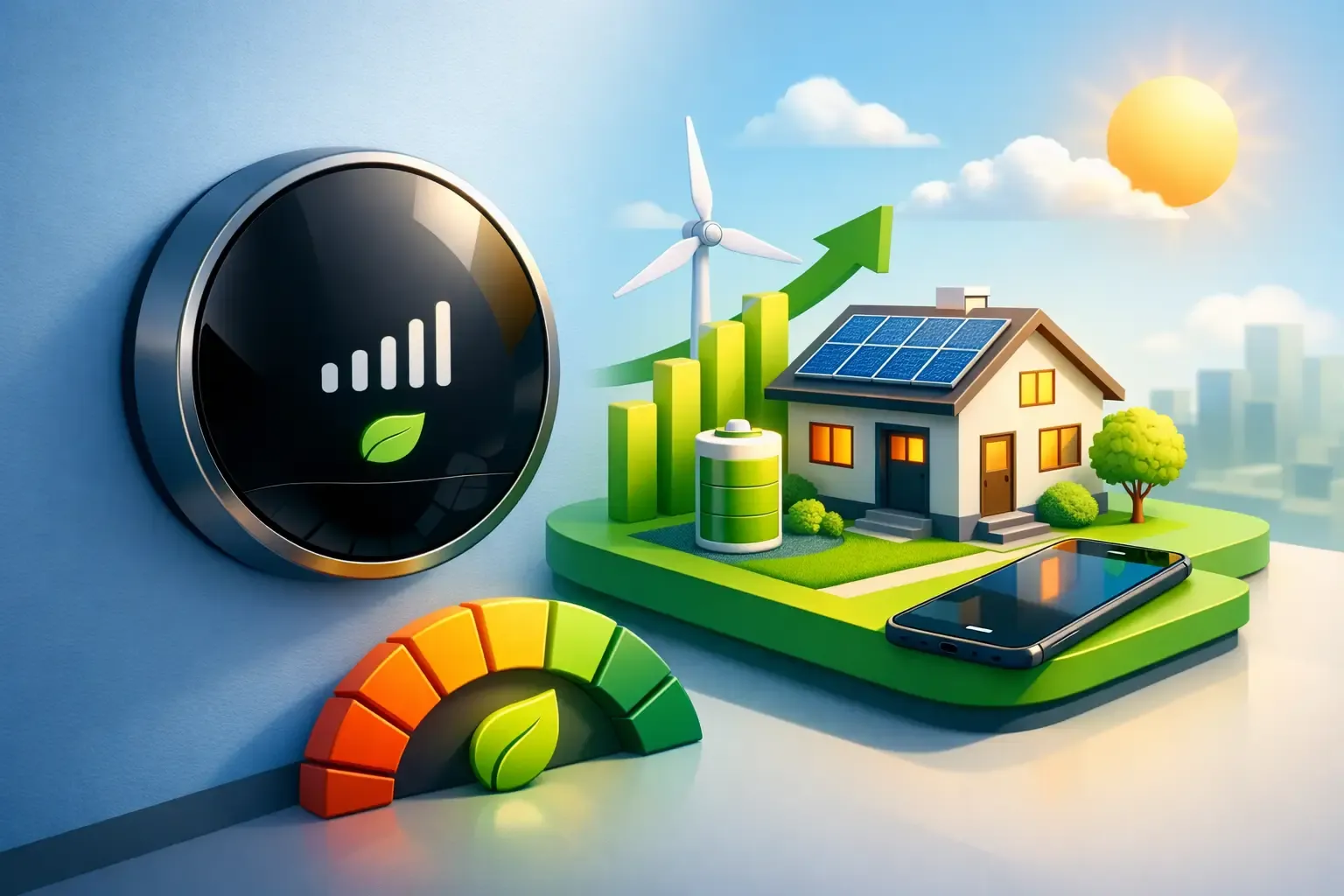
4. An ENERGY STAR Certified Smart Thermostat
Brand matters less than certification and fit. ENERGY STAR’s smart thermostat guidance is a useful check before buying. Look for an existing thermostat that your wiring and heating or cooling system can support.
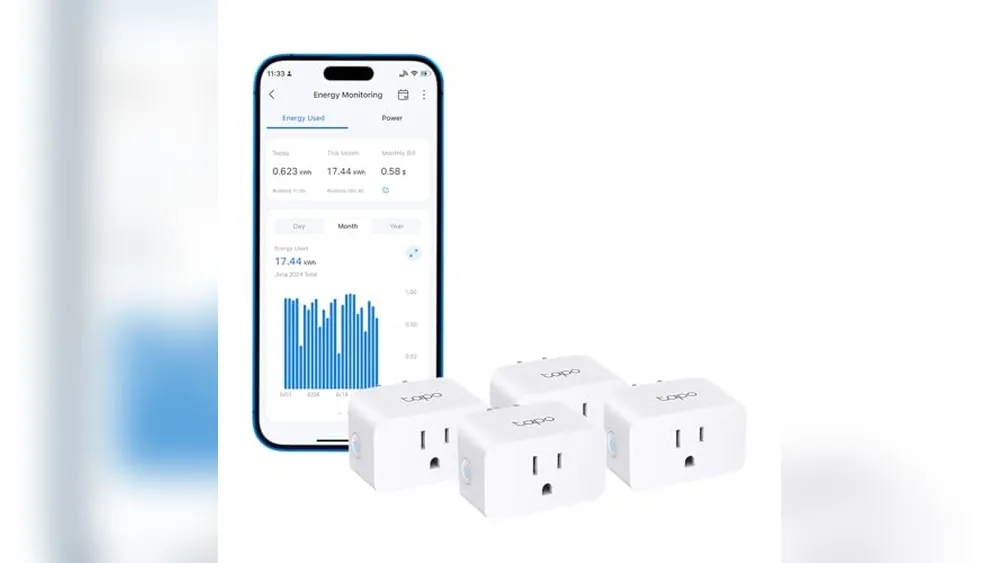
5. Kasa Energy-Monitoring Smart Plug
A metering plug does not cut power by itself. It shows which lamp, fan, dehumidifier, entertainment device, or small appliance is drawing more than expected. Use that information to set a sensible schedule or replace a wasteful device. Browse Kasa monitoring plugs on AmazonView on Amazon ↗.
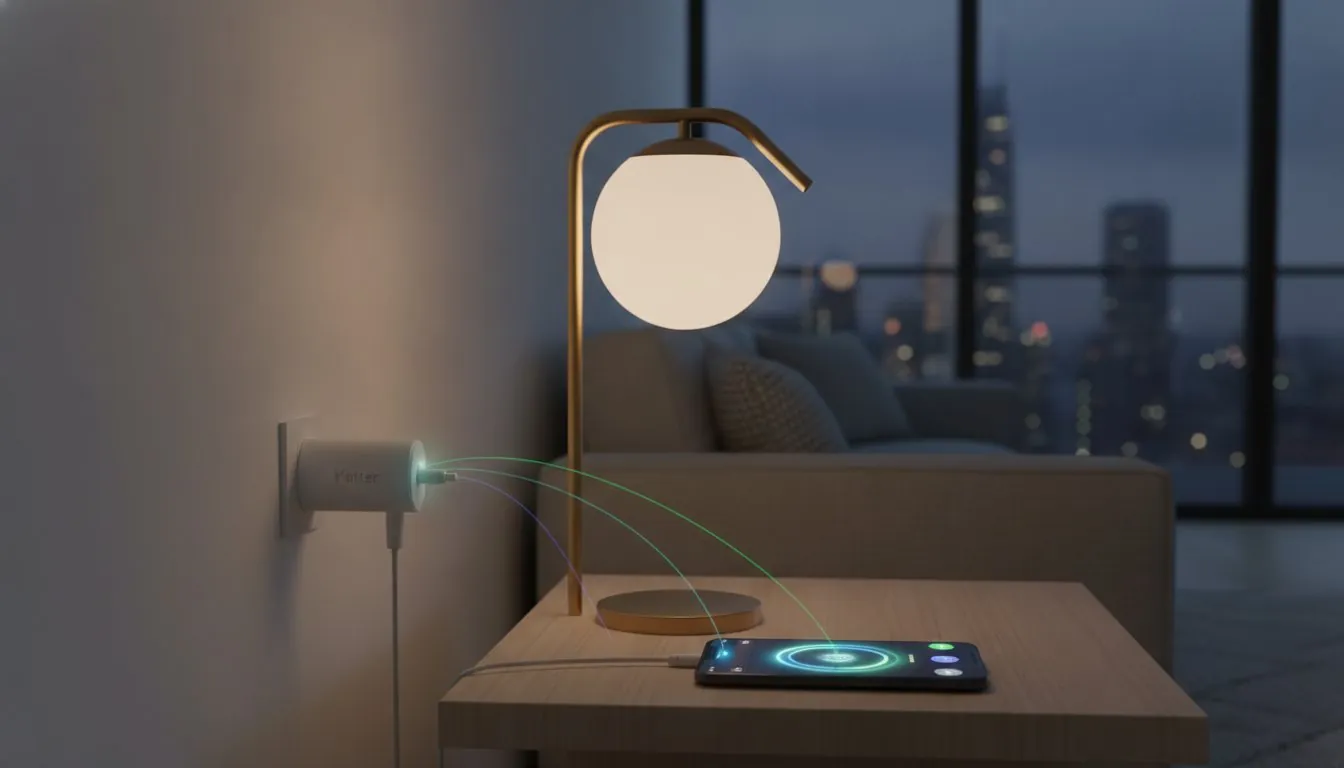
6. Kasa Smart Power Strip
A controlled power strip can shut down suitable clusters of standby devices, such as a desk setup or media accessories. Keep routers, medical equipment, and anything that needs constant power on an always-on outlet. Compare Kasa power strips on AmazonView on Amazon ↗.
7. Eve Energy Smart Plug
Eve Energy is worth considering for households using Apple Home. It pairs energy readings with schedules, so you can see a device’s pattern before deciding whether automation is worthwhile. Compatibility matters more than app count. Browse Eve Energy plugs on AmazonView on Amazon ↗.
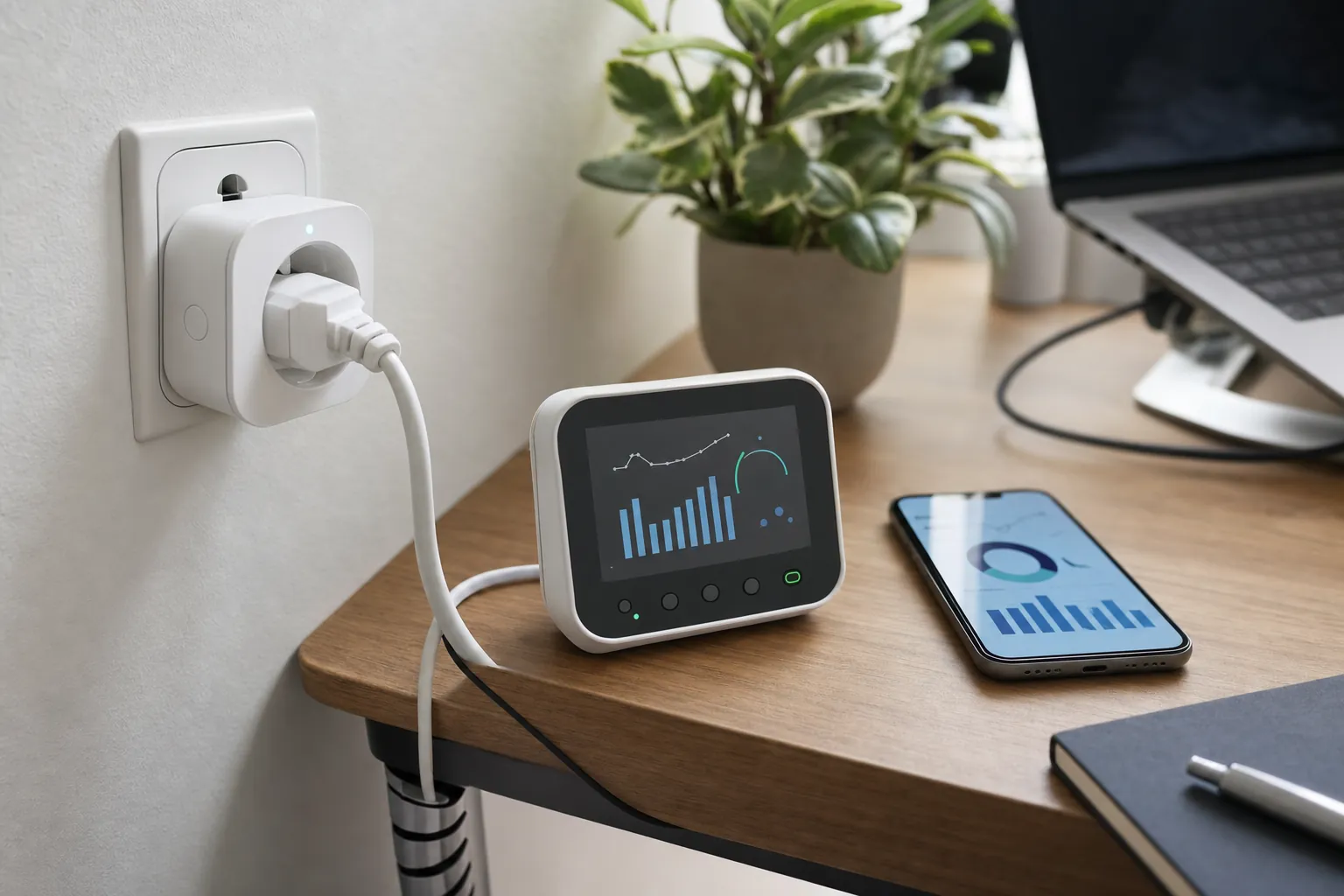
8. Sense Home Energy Monitor
A whole-home monitor can help identify persistent high use or an appliance behaving unusually. It is most useful for people prepared to act on the data, not just watch a dashboard. Installation may require electrical-panel access, so follow the manufacturer’s safety guidance. Compare Sense monitors on AmazonView on Amazon ↗.
9. Emporia Vue Energy Monitor
Circuit-level monitoring can reveal which parts of the home draw power at peak times. That can guide load shifting, appliance replacement, or changes to an EV-charging schedule. An electrician can advise if panel work is needed. Browse Emporia Vue monitors on AmazonView on Amazon ↗.
10. Lumin Smart Panel
A smart electrical panel is a larger investment, but it can provide circuit-level control where peak-demand charges or backup-power planning make that valuable. Treat it as an electrical project, not a casual plug-in upgrade. Explore Lumin smart panels on AmazonView on Amazon ↗.

11. ChargePoint Home Flex
For EV owners on time-of-use electricity rates, scheduled charging can be more valuable than maximum charging speed. Set the charger to finish before departure during lower-cost hours, after confirming the circuit and vehicle settings. Compare ChargePoint Home Flex on AmazonView on Amazon ↗.
12. Wallbox Pulsar Plus
Wallbox gives another way to schedule home charging around your rate plan. The saving comes from your utility’s off-peak window, not the charger alone. Compare installation requirements, connector fit, and local electrical capacity. Browse Wallbox chargers on AmazonView on Amazon ↗.
13. Aquanta Smart Water Heater Controller
Water heating runs quietly in the background, which makes it easy to overlook. A controller can schedule an electric water heater around household routines and rate periods. Confirm water-heater type and compatibility before buying. Compare Aquanta controllers on AmazonView on Amazon ↗.
14. A Smart Hot-Water Recirculation Controller
Recirculation pumps can waste energy when they run all day. A schedule or demand-based controller limits operation to the times when hot water is wanted. This helps only homes that already have a compatible recirculation setup. Browse recirculation controllers on AmazonView on Amazon ↗.
15. Leviton Smart Switch or Dimmer
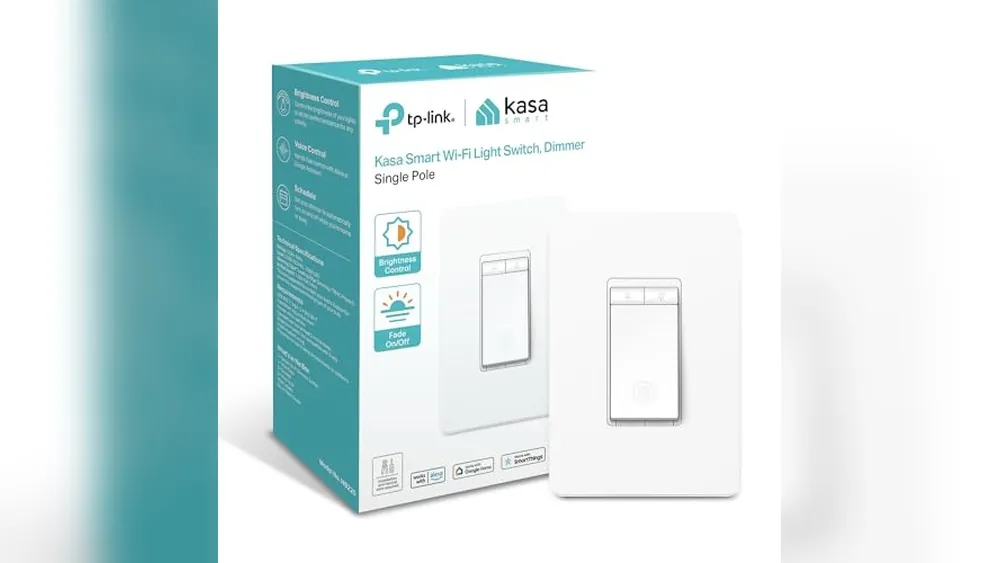
Lighting savings are usually modest per fixture, then useful across daily routines. A smart dimmer is a strong fit for frequently used rooms where a lower level is comfortable. Keep a physical wall control for everyone in the home. Compare Leviton smart dimmers on AmazonView on Amazon ↗.

16. Lutron Caséta Dimmer and Occupancy Sensor
Pairing dimming with vacancy shutoff can make the saving automatic in bathrooms, hallways, laundry rooms, and offices. The best setting is one that turns lights off after a reasonable delay without becoming irritating. Browse Lutron Caséta controls on AmazonView on Amazon ↗.
17. Philips Hue Motion Sensor and Bulbs
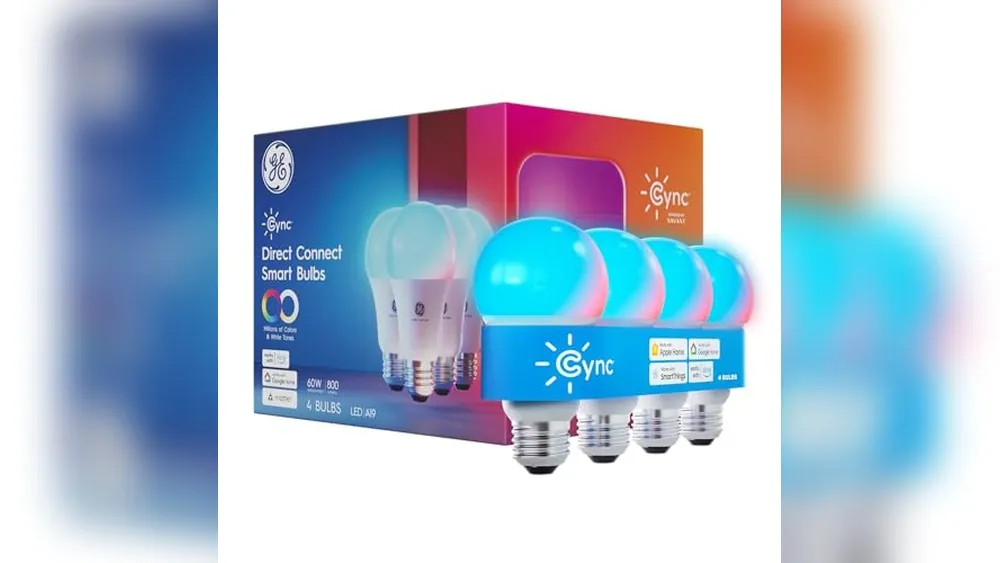
Hue is useful where light is routinely left on, not where a simple switch already works well. Use a low-brightness nighttime setting and an automatic shutoff in a hall, closet, or entry. Compare Philips Hue motion lighting on AmazonView on Amazon ↗.
18. Rachio 3 Smart Sprinkler Controller
Outdoor water is often the biggest overlooked opportunity. Rachio’s weather intelligence can skip watering for rain, freeze, wind, or saturation conditions. The EPA says a WaterSense labelled controller can save up to 15,000 gallons each year. Browse Rachio controllers on AmazonView on Amazon ↗.
19. Rachio Smart Hose Timer
Drip lines and hose-fed zones need just as much restraint as an in-ground system. A smart timer can pause a schedule when rain makes watering unnecessary. Check faucet pressure, zone needs, and winterization requirements. Compare Rachio hose timers on AmazonView on Amazon ↗.
20. Orbit B-hyve XR Controller
Orbit’s controller is another weather-aware choice for a compatible irrigation system. The useful question is not which app has more features. It is whether your yard has a real schedule, working rain sensor logic, and correctly adjusted zones. Browse Orbit B-hyve controllers on AmazonView on Amazon ↗.
21. Soil-Moisture Sensor
A soil sensor can stop a beautiful lawn from receiving water it does not need. It is best used as a reality check for a controller, especially in shade, clay soil, or areas with different plant needs. Browse soil-moisture sensors on AmazonView on Amazon ↗.
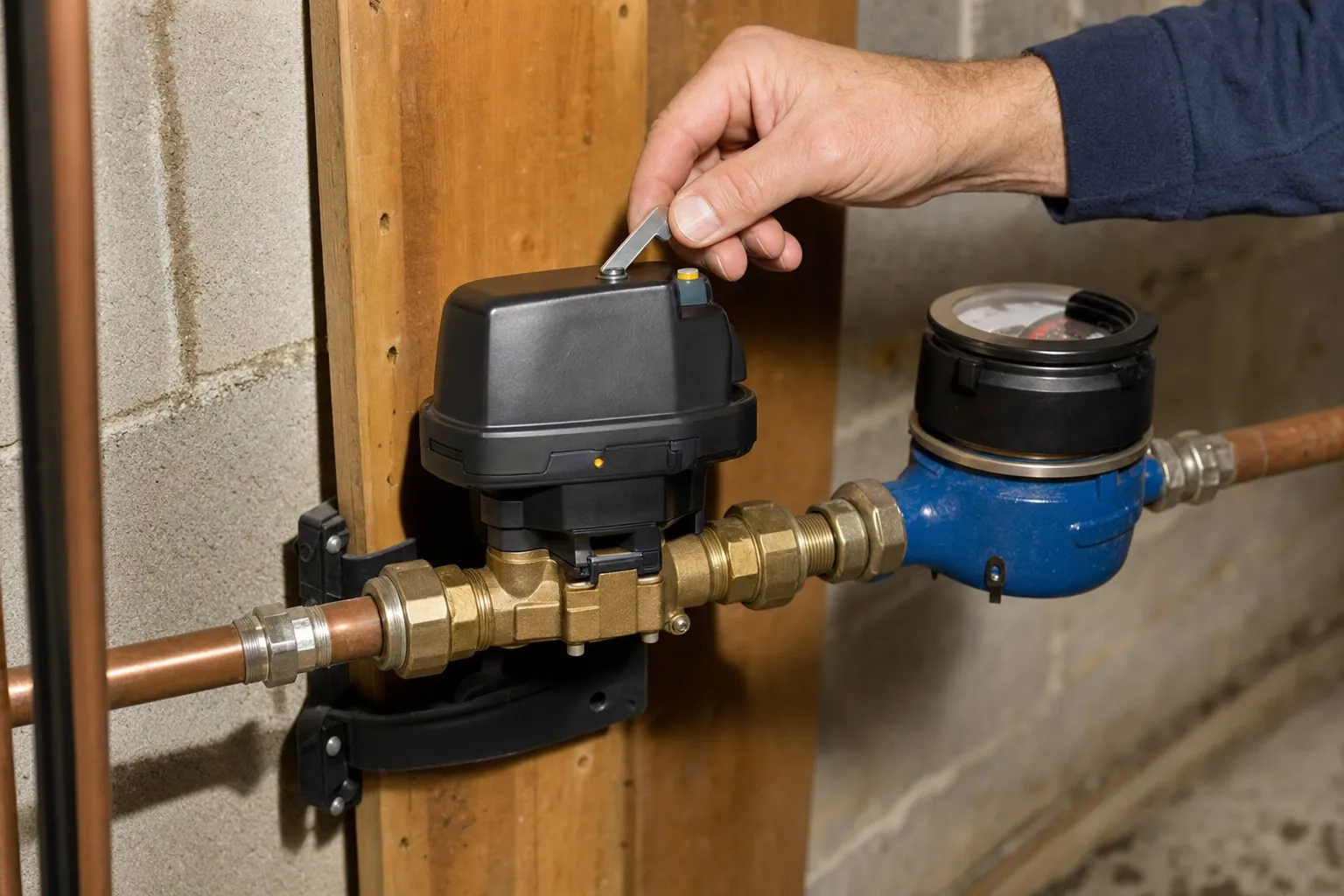
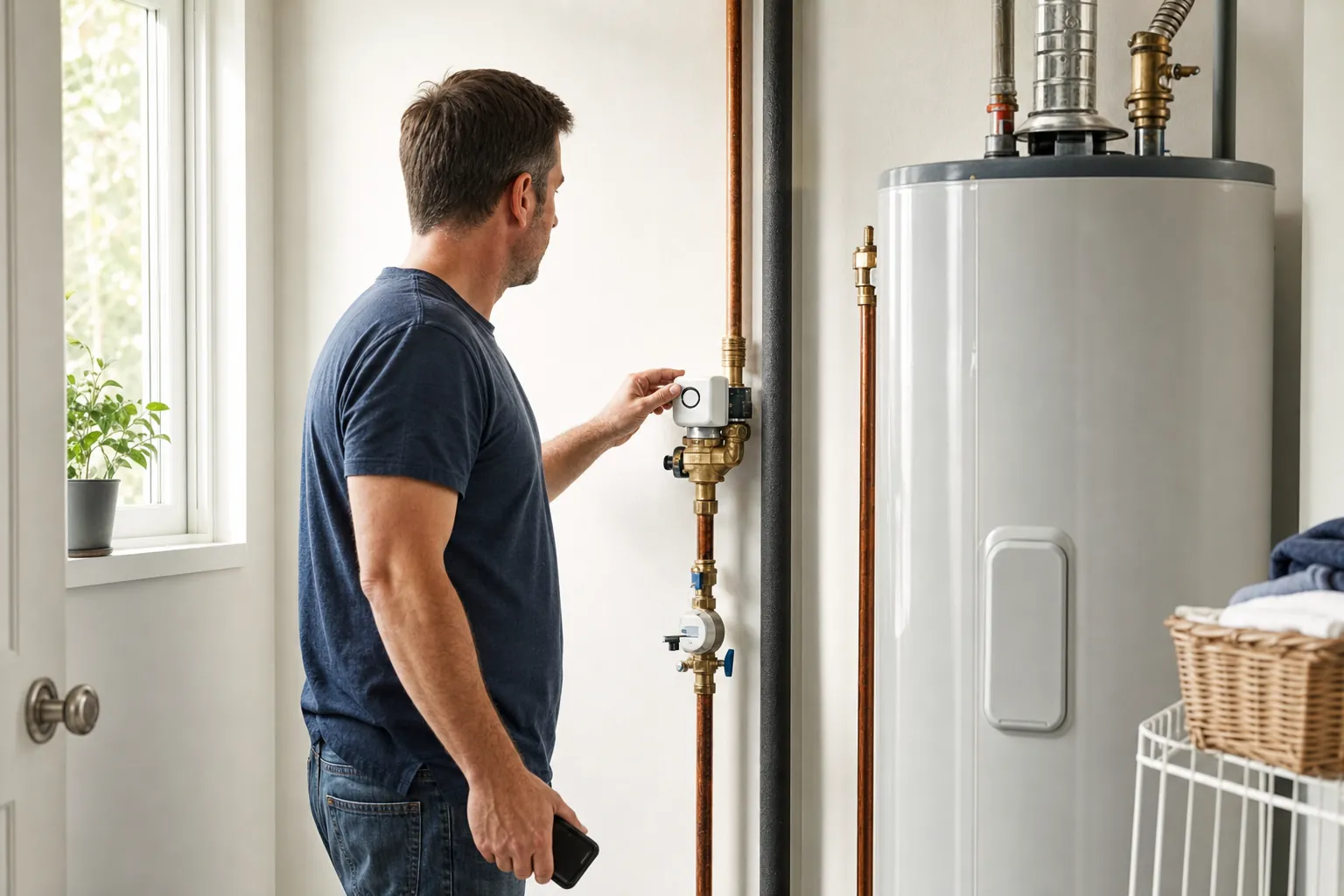
22. Flo by Moen Smart Water Monitor and Shutoff
A smart shutoff is about avoiding waste and damage, not shaving pennies from a utility bill. Flo by Moen can monitor water use and provide remote or automatic shutoff capabilities. It needs an appropriate main-line installation. Compare Flo by Moen on AmazonView on Amazon ↗.
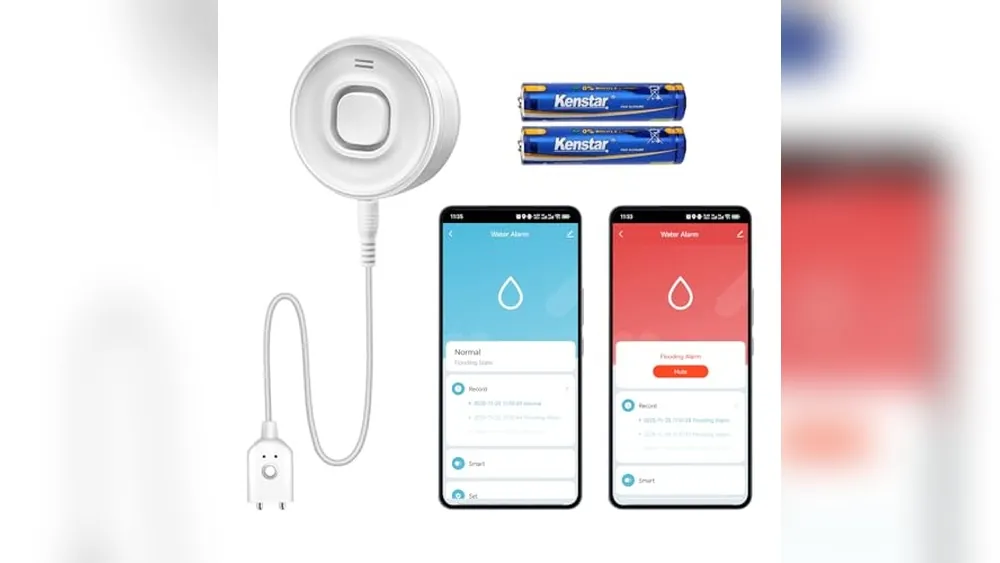
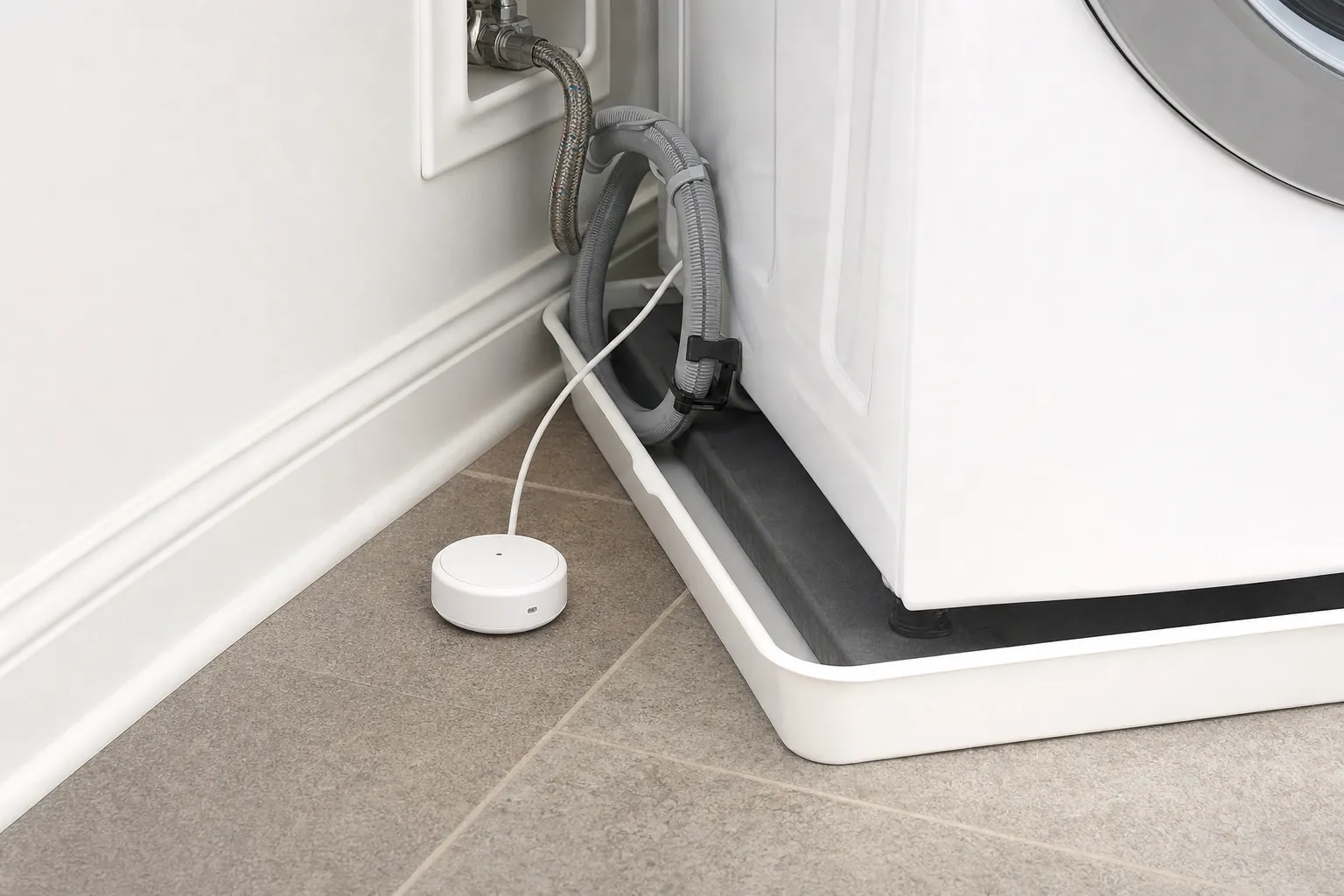
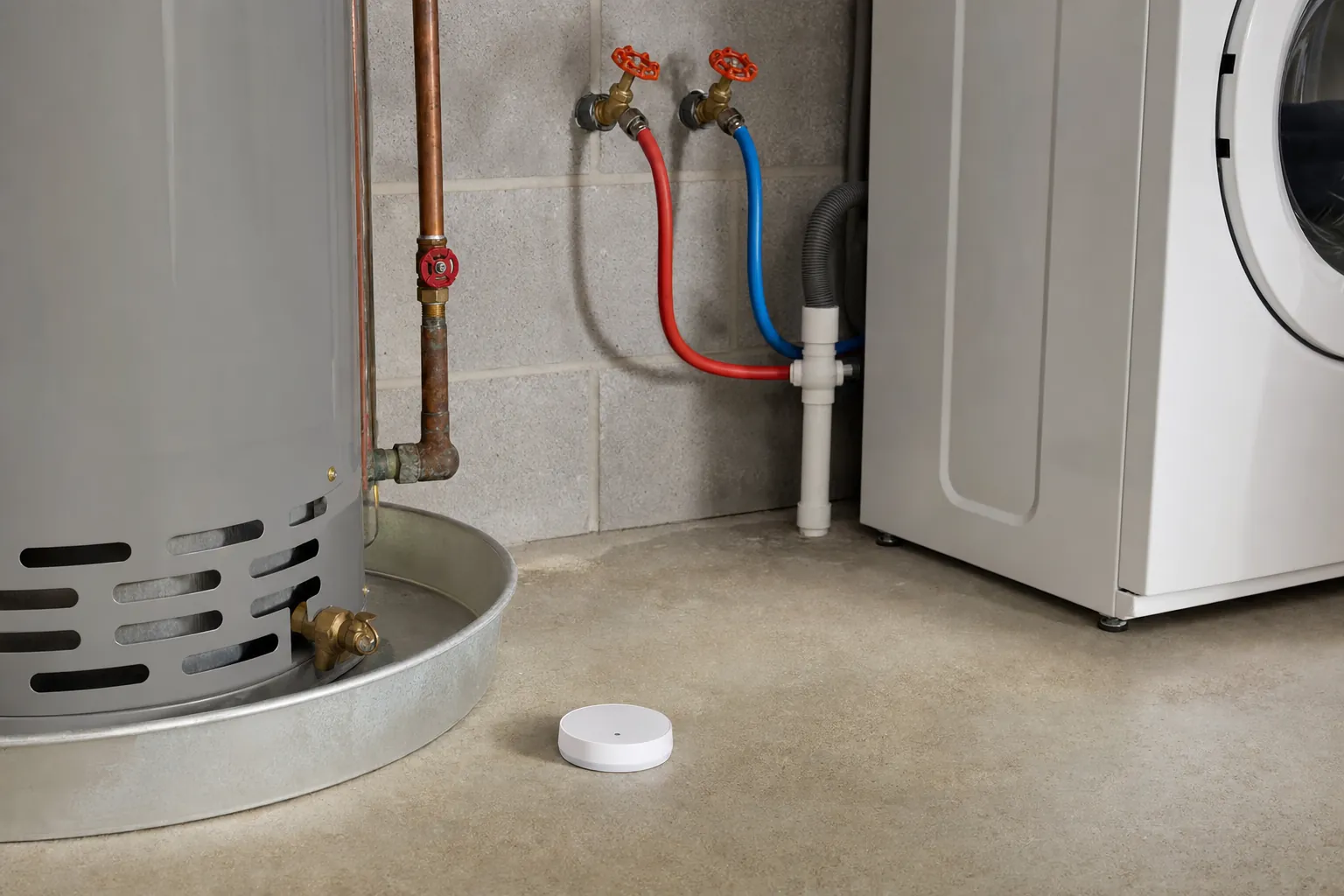
23. Flo by Moen Smart Leak Detector
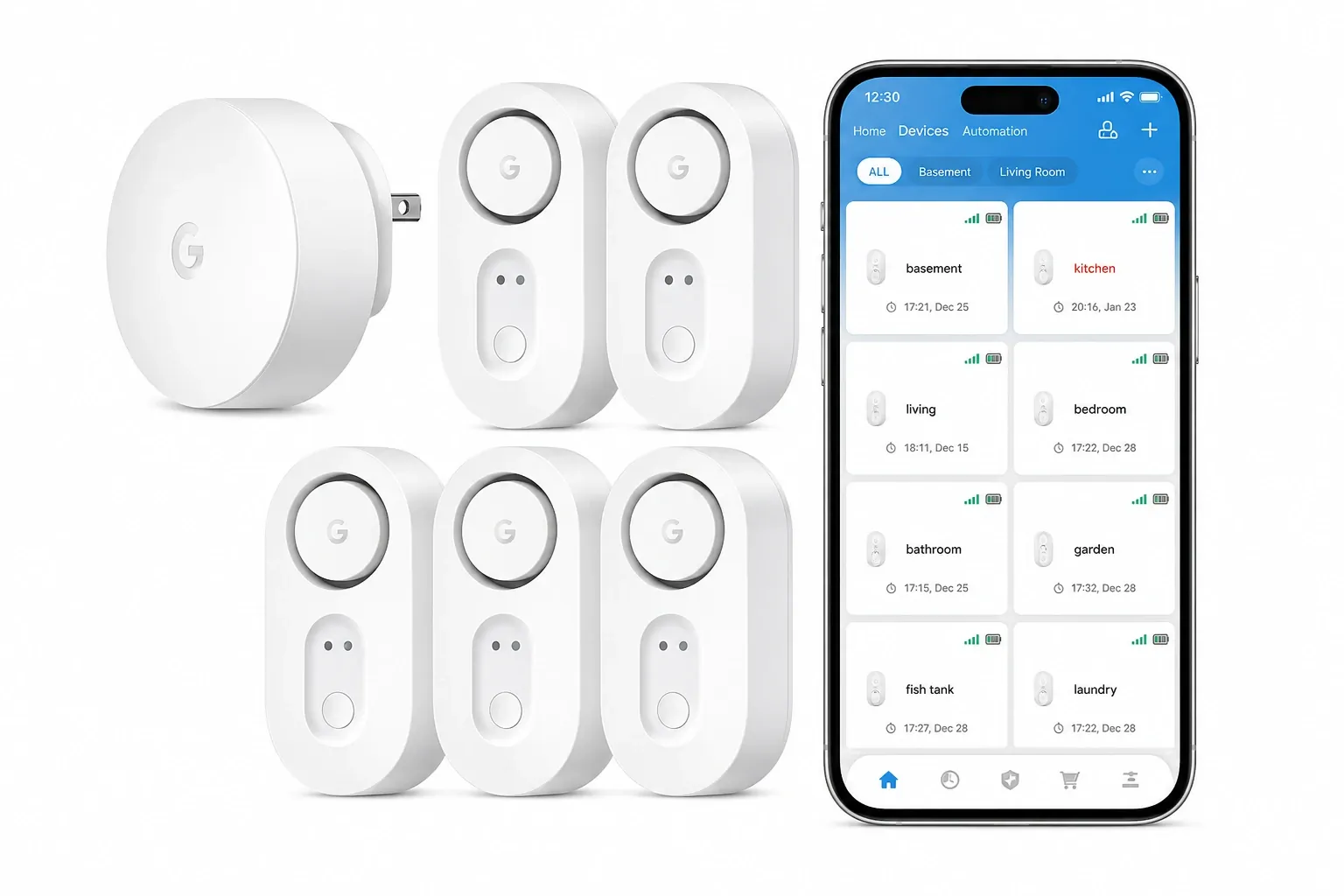
A focused leak detector belongs near water heaters, washing machines, sink cabinets, and toilets. It can alert you to water where it should not be, giving you time to act before a minor issue becomes a repair bill. Browse Flo leak detectors on AmazonView on Amazon ↗.
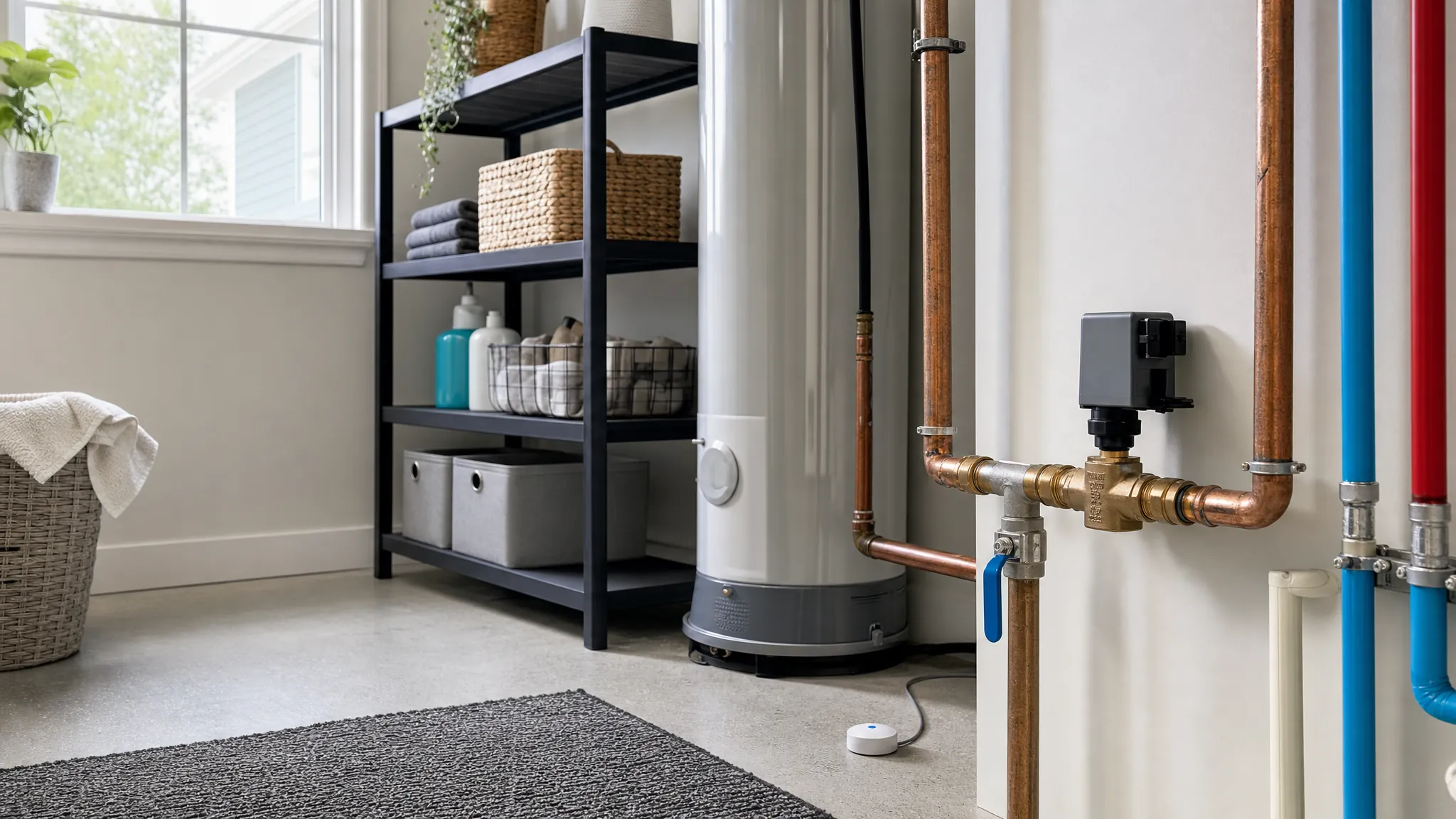
24. Phyn Plus Smart Water Assistant
Phyn Plus is another whole-home monitoring and shutoff route. It is most compelling for a home with an accessible main line, travel periods, or a history of plumbing problems. Compare installation and ongoing requirements honestly. Compare Phyn Plus on AmazonView on Amazon ↗.
25. Pentair Pool Automation with a Variable-Speed Pump
A pool pump can be a major seasonal electrical load. Pool automation helps when it schedules filtration at an appropriate lower speed and at times that fit your electricity plan. It is only a smart buy with a compatible variable-speed pump and a safe filtration plan. Explore Pentair pool automation on AmazonView on Amazon ↗.
How to choose the right money-saving device
Start with one bill and one repeated behavior. A smart thermostat is not a universal answer if heating and cooling are already modest, just as a water monitor is not the first purchase for a home with no leak risk and a very small water bill. Look at a few months of utility statements, then name the one system that seems expensive or difficult to manage. That gives the device a job before it has an app.
Check the rate plan. Some electricity plans charge the same amount all day. Others make overnight EV charging, midday water heating, or avoiding an evening peak genuinely valuable. Read the rate name and time windows on the utility statement or account portal. A scheduled charger or water-heater controller is most useful when it follows a rate plan you understand.
Price the complete setup. The device price is only one part of the decision. Include a required hub, compatible sensors, electrical work, plumbing work, subscription, batteries, and the time needed to keep it working. A cheaper device that cannot be installed safely is not the better value. A more capable device that requires a monthly fee can also erase a small annual saving.
Keep the manual control. A wall switch, thermostat control, shutoff valve, and physical key should remain understandable when Wi-Fi or a phone app is unavailable. The point of home technology is a calmer routine, not a new way to be stuck. Test the manual path when you install any device that controls a comfort or safety system.
Use the smallest useful automation. Start with one thermostat schedule, one charging window, one irrigation rule, or one leak alert. Watch it for two weeks. If it does not save time, money, or worry, change it or turn it off. A small rule that a household understands is far more valuable than a clever routine that nobody trusts.
Where savings are usually strongest
Heating and cooling: A thermostat earns its place when it reduces conditioning while the home is empty, then restores comfort before people return. Room sensors can help when an occupied room is not represented by the hallway thermostat. They cannot fix bad insulation, a failing heat pump, blocked vents, or an HVAC system that needs service. Address those basics first.
Electricity monitoring: Monitoring is useful for finding an outlier. A basement dehumidifier running constantly, an old refrigerator, an unplanned space heater, or a pump can be a bigger opportunity than dozens of small plug loads. Once you see the pattern, decide whether a schedule, repair, replacement, or behavior change is the honest solution.
Hot water: Water heating is easiest to influence when use follows a pattern. A household that showers at random times may not benefit from an aggressive schedule. A household with consistent morning or evening demand may. Never reduce water-heater settings below safe manufacturer or local-health guidance just to chase a small saving.
Outdoor water: Irrigation controllers deserve attention in areas with dry summers, large landscapes, or a history of watering on a fixed timer regardless of rain. They are not a substitute for checking broken heads, runoff, soil type, and plant needs. The best controller will still waste water if a sprinkler sprays the sidewalk.
Leaks: The financial case for water sensing is often prevention. A sensor beneath a washing machine, water heater, or sink cabinet can give you an alert before a slow leak becomes ruined flooring, mold remediation, or an avoidable insurance claim. Test the alert sound and phone notification when you install it.
A sensible rollout plan
Begin with the simplest opportunity that can show a result. For a typical home, that might be one thermostat schedule, one energy-monitoring plug on a suspicious appliance, or a weather-aware irrigation controller. Keep a note of the starting setting and the date. After a full billing cycle or a meaningful stretch of weather, compare the result with the prior pattern while accounting for temperature, travel, and changes in who was home.
Then decide whether to expand. If the first change reduced waste without making life harder, add the next one in the same category. If the result was confusing, resist the urge to buy more technology. Clarify the system, rate plan, or installation issue first. That protects both the budget and the household from a shelf full of unused smart-home gear.
How SavvyNests helps you choose
Saving money starts with matching the device to the bill, system, and routine you already have. SavvyNests compares compatibility, setup effort, ongoing costs, and the manual fallback that keeps an upgrade useful. Start with our Smart Home Automation Guide, then use the thermostat savings guide or water shutoff guide when one category clearly fits your home.
Frequently Asked Questions
Which smart-home device saves the most money?
For many homes, a compatible smart thermostat or weather-aware irrigation controller is the strongest first place to look because heating, cooling, and outdoor water use can be large recurring costs. The best choice still depends on your home and utility plan.
Do smart plugs lower an electric bill?
They can help when they reveal or control a real standby load or schedule, but they are not a guaranteed saving. Use a monitoring plug to find a repeated waste pattern before buying several.
Are smart water shutoffs worth it?
They can be worthwhile when a plumbing leak would be costly or when the home is empty often. Their main value is limiting water loss and damage, not replacing regular plumbing maintenance.
As an Amazon Associate, SavvyNests may earn from qualifying purchases.