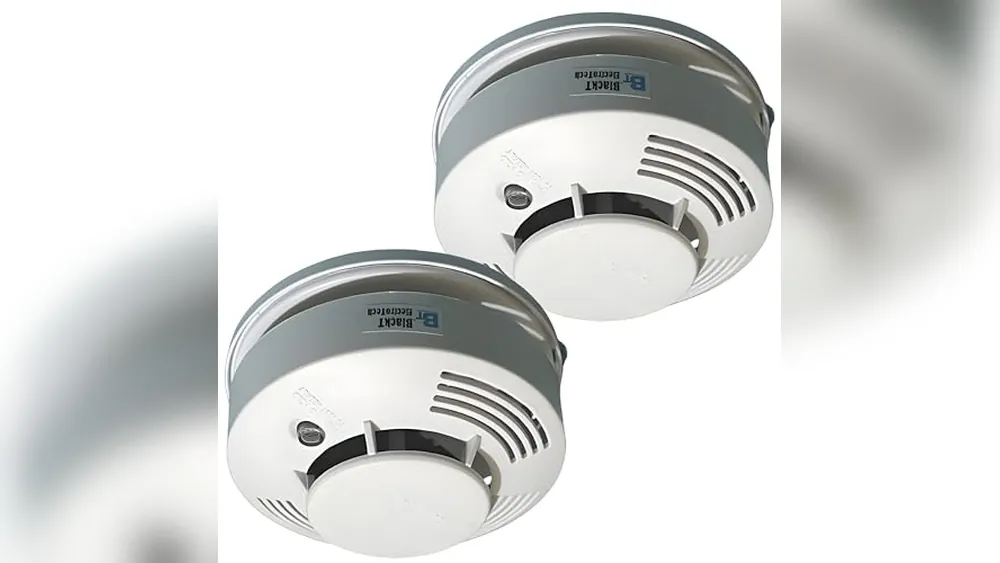
Smoke alarm installed on a home ceiling

Connected home safety

Smart Smoke Detectors: What to Check

Choose a smoke detector around a dependable local warning first, then add connected features that make its status easier to manage.

Buy for the warning

A smart feature matters only after the home has an alarm plan people can hear and act on.

The useful question is not which app looks most polished. It is whether every person in the home can receive a clear local warning, leave safely, and keep the system working over time.

Before you choose

Three checks should come before any connected feature.

01

Start with the warning people can hear.

A smoke alarm's first job is to give people inside the home an unmistakable warning. A phone notification can be useful when nobody is home, but it is not a substitute for a listed alarm, the right coverage, or a household that knows what to do.

02

Map the home before comparing apps.

Bedrooms, sleeping areas, levels, cooking spaces, and the existing alarm system all change the decision. Use the maker's instructions and applicable local requirements for the exact number and placement of alarms your home needs.

03

Check the system, not one device.

A single replacement can affect hardwired or interconnected alarms already in the home. Identify how the current alarms are powered and communicate before removing anything, then choose only a compatible path.

Choose the right path

Start with the alarm job your home needs, not the longest feature list.

A simple, maintained alarm plan is more valuable than a complicated setup that nobody tests. Choose the connected layer only when it clearly supports the people and rooms it is meant to protect.

A simple local alarm plan

A dependable local warning can be the right starting point for a smaller home, a single needed replacement, or a household that wants the fewest moving parts. Keep the test routine, power plan, and placement easy enough to maintain.

An interconnected alarm system

When one alarm needs to alert people throughout the home, an interconnected system can make a meaningful difference. Confirm whether the home uses hardwired, wireless, or manufacturer-specific connections before choosing replacements.

Connected status and remote alerts

A smart alarm can add device status, household sharing, and an away-from-home notification. Treat those features as an extra layer. Check the exact model's network needs, service terms, and behavior when Wi-Fi or power is unavailable.

Read the existing system

Replacing an alarm is a system decision when the home already uses interconnected protection.

Find out how the current alarms work together.

Before taking any alarm down, look at the current units, their power source, and any labels that identify an interconnected system. A hardwired alarm may have backup power and a communication method that a standard battery device cannot join. A wireless system can also have model-specific compatibility rules. Take a photo of the existing label and connections only after power is safely off, then use the manufacturer documentation to confirm the replacement path.

Do not treat an old ceiling opening as proof of fit.

Mounting plates, wiring plugs, alarm depth, and the way devices signal each other can vary. A new device that physically reaches the ceiling may still be the wrong electrical or system match. When the home has more than one alarm, plan the change across the whole system. A qualified electrician is the right next step when wiring, power, interconnection, or local requirements are uncertain.

Keep smoke and carbon monoxide decisions clear.

Some homes need both kinds of protection at a location. A combination unit can be appropriate when its placement instructions and the home's needs support both jobs. It is not a shortcut around planning. Fuel-burning equipment, an attached garage, sleeping areas, and the home's layout all affect the broader carbon monoxide plan. Use the smart carbon monoxide detector guide for that separate decision.

Choose a signal the household will recognize.

Connected alarms may identify a device by room and send a specific status message. That can be helpful, but the household should also know the basic response without checking a phone. Review the alarm's sound and spoken-alert behavior, if any, as part of the product decision. A warning works best when people can identify it, leave promptly, and meet at a planned place outside.

Use connected features carefully

Remote awareness is useful when it reaches the right person without becoming the only warning plan.

Set up household access deliberately.

Add only the people who should receive a meaningful safety status message. Use individual accounts where the app supports them, protect the account with a unique password and available account security, and remove former residents or helpers when they no longer need access. A shared alert should tell people which alarm needs attention rather than creating a vague notification that gets ignored.

Test the exact alert path after setup.

Use the manufacturer's approved test process to confirm the local alarm works as directed. If the model offers a connected notice, check that the intended phone receives it and that the room name is clear. A successful phone notification does not prove the home has adequate alarm coverage, but it does reveal whether the connected layer is ready to help when someone is away.

Plan for an offline or low-battery message.

Wi-Fi can go down, a router can be replaced, and a phone can be unavailable. Review what the exact alarm continues to do without its network connection. The local warning must remain central. Treat battery, end-of-life, fault, and offline notices as prompts to solve a real maintenance task, not as background alerts to silence.

Keep safety separate from ordinary routines.

A smart-home app can make it tempting to group every notification and automation together. Avoid turning a life-safety alarm into a convenience routine. Do not depend on a voice command, a scheduled rule, or another device to provide the warning people need. The smart-home automation guide is a better place to plan lights, comfort, and daily routines.

First-week checklist

Make the new alarm part of a simple plan the household can remember.

  1. Check the exact placement and system instructions.Match the alarm to the home's layout, existing equipment, and applicable requirements before installing or replacing anything.
  2. Name the device by its real location.Use clear room names so a status message helps someone find the right alarm quickly.
  3. Run the approved test.Confirm the local warning and any connected status notice using the manufacturer's instructions.
  4. Review the escape plan.Make sure everyone knows two ways out where possible, a meeting place, and that an active alarm means leaving first.

Continue the safety plan

Use the right guide for the safety decision in front of you.

For a hardwired replacement or whole-home system.

When an alarm change involves wiring, interconnected ceiling alarms, or a coordinated replacement, start with the hardwired smoke and carbon monoxide detector guide. It covers the system checks that should happen before a smart upgrade.

For carbon monoxide coverage and response.

Smoke and carbon monoxide alarms can share a product, but they are not the same planning question. The carbon monoxide detector guide helps households keep placement, local warning, and a response plan clear.

For renters and managed homes.

Do not replace, move, or alter required equipment without understanding the lease, building rules, and maintenance responsibility. The smart-home guide for renters can help separate portable upgrades from the home's core safety systems.

Frequently asked questions

Clear limits make connected smoke protection more dependable.

What makes a smoke detector smart?

A smart smoke detector may send an app notification, report battery or device status, share access with household members, or connect with compatible alarms. The safety value still starts with a reliable local alarm, appropriate coverage, and the manufacturer's installation instructions.

Do smart smoke detectors work without Wi-Fi?

The local alarm should still sound when it detects smoke. Remote notifications, device status, and some connected features can depend on Wi-Fi, a hub, or power. Check the exact model before assuming any app feature remains available during an outage.

Should I choose a smoke-only or smoke and carbon monoxide alarm?

Choose based on the location, the home's fuel-burning equipment, local requirements, and the manufacturer's instructions. A combination alarm can be useful in a suitable location, but it does not remove the need to plan smoke and carbon monoxide coverage properly.

Can I replace one hardwired smoke alarm with a smart one?

Only after confirming compatibility with the existing system. Hardwired and interconnected alarms can have specific wiring, signal, backup-power, and manufacturer requirements. If any part of the system is unclear, use a qualified electrician or the alarm manufacturer's support guidance.

What should I do when a smoke alarm sounds?

Treat an active alarm as an emergency warning. Get everyone outside using the planned escape route, call emergency services from a safe place, and do not re-enter until responders say it is safe. Do not investigate a possible fire before people and pets are out.
Plan with confidence

Choose the alarm that gives people at home a clear, dependable warning.

Explore hardwired alarm systems
SavvyNests smart-home nest and eggs mark

AI Smart Home Finder

Tell us what you want your home to do better.

Start with comfort you can measure.

Explore thermostats, lighting and routines that can make a daily difference.
Explore energy and comfort