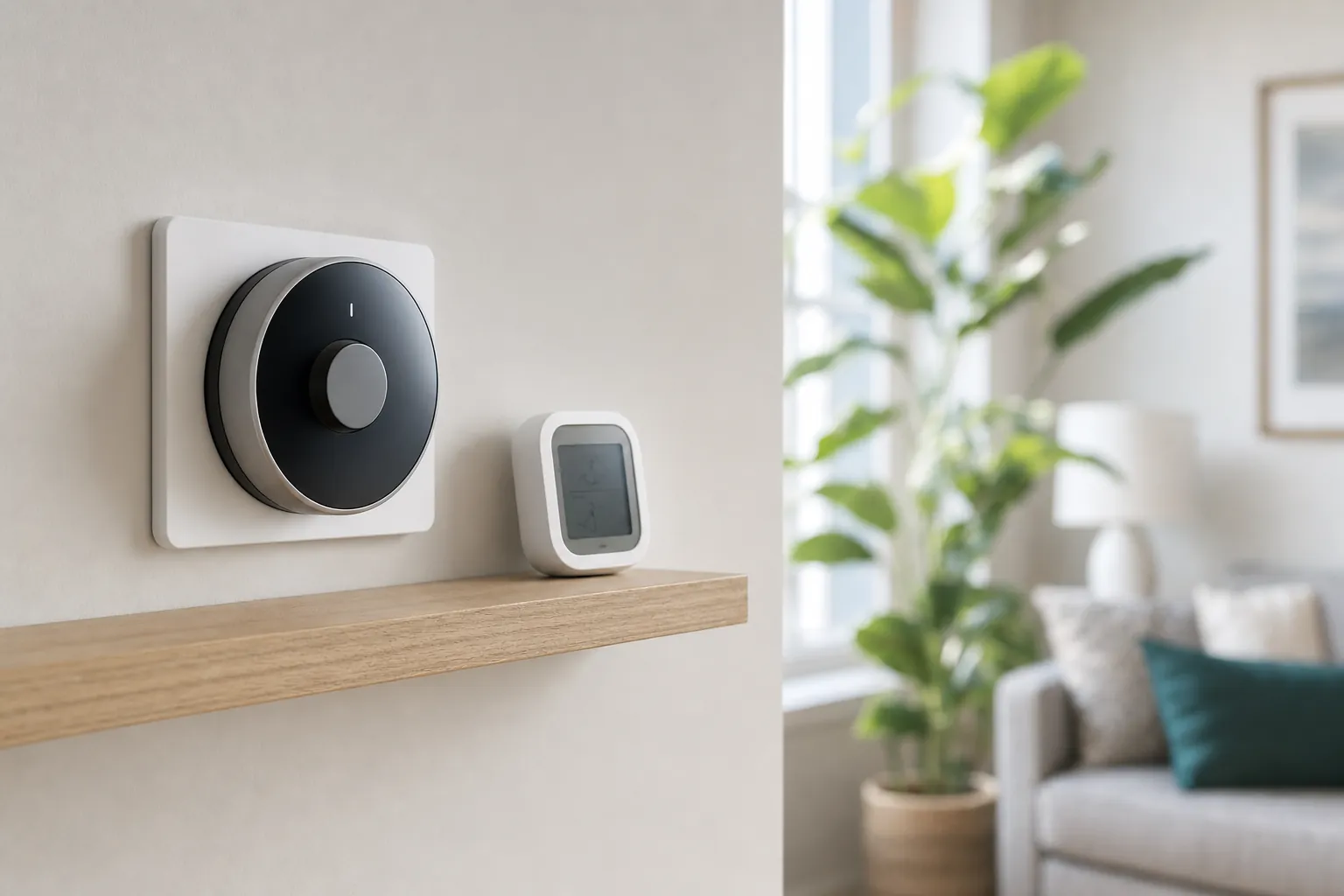
Can I install a smart thermostat in a condo?+
Often, yes, when the thermostat inside your unit controls equipment that belongs to your unit and the new model matches the wiring and system type. Condos vary widely, though. Check whether the building controls any part of the heating or cooling, whether the thermostat is proprietary, and whether management requires approval before changing it.
Do condo associations allow smart thermostats?+
Many allow an in-unit thermostat change, but the answer depends on the building rules and the equipment involved. Review the condominium rules or ask management before replacing a control that may be tied to a fan-coil unit, central system, common utility program, or building maintenance agreement.
Do I need a C-wire for a smart thermostat in a condo?+
Some smart thermostats need a C-wire, while others can work with an included adapter, a power extender, batteries, or a compatible alternative. Do not assume the wire colors alone tell the full story. Turn off power, photograph the current connections, and use the model's compatibility checker before buying.
Will a smart thermostat fix a condo that is too hot or cold?+
Not always. It can make schedules and room priorities easier to manage, but it cannot add cooling capacity, repair a blocked fan coil, solve a large window heat gain, or change a building-wide system. Start by identifying when and where the discomfort happens, then choose the smallest change that fits the cause.
Are room sensors useful in a condo?+
They can be especially useful in condos because sunlight, exterior walls, upper-floor heat, and compact layouts can make one room feel very different from the hallway thermostat. A sensor only helps when it is compatible with the thermostat and can influence the schedule or comfort setting you plan to use.
What should I ask building management before replacing a thermostat?+
Ask whether your unit has independently controlled heating and cooling, whether the current thermostat is tied to a fan-coil or building management system, whether any approved thermostat types are required, and who should service the equipment if the change does not work as expected.