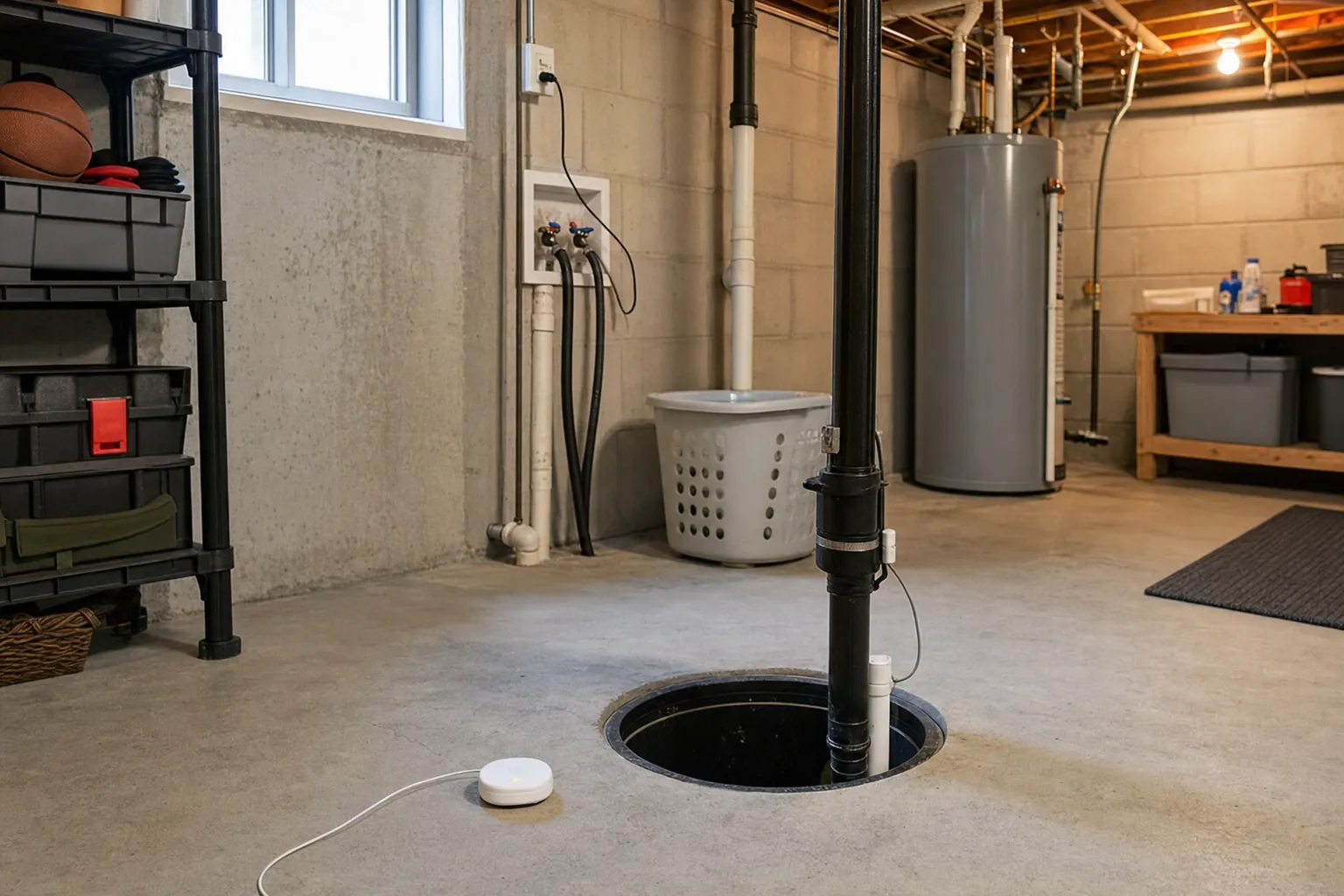
A basement water alarm cannot stop a pipe from leaking or a storm from overwhelming a drain. What it can do is give you an earlier warning, when a small puddle is still a decision instead of a cleanup project. That makes placement more important than the number of features on the box.
For most homes, the best basement setup starts with the places where water has a clear path to the floor: the sump pit, water heater, washing-machine hoses, utility sink, floor drain, and any spot that has leaked before. Put a sensor where water will arrive first, make sure you can hear or receive its alert, and decide what you will do when it goes off.
A water alarm is one useful layer, not a substitute for maintaining a sump pump, fixing a plumbing problem, or preparing for local flood risk. The National Flood Insurance Program's flood-preparedness guidance specifically pairs a working sump pump with a water alarm and a battery backup. That is the right way to think about this equipment: early warning beside the systems that actually move water away.
Start With the Kind of Water Problem You Have
Not every basement needs the same alarm. A sensor on the floor is good at finding a slow water-heater drip, a loose washing-machine hose, or a puddle creeping from a utility sink. A high-water alarm is different: it watches the level inside a sump pit and warns you when the water rises above the normal operating point.
Walk through the basement after a rainstorm and again while the washing machine is running. Look for staining, a musty edge along the wall, a low spot in the floor, a drain that backs up, or hoses and valves that are hard to inspect. Those observations are more useful than guessing which corner feels risky.
- Choose a floor sensor for drips, appliance leaks, and water that spreads across the floor.
- Choose a probe or sensing cable when the likely leak is behind an appliance, around a pipe run, or inside a narrow ledge.
- Choose a high-water alarm when the concern is a sump pump that cannot keep up, loses power, clogs, or fails to start.
- Choose a connected model when no one is reliably within earshot, such as a finished basement, a second home, or a house that is empty during the day.
A single sensor can be a sensible first step. A larger basement may need several, but buy them in order of consequence. The area around a sump pit or water heater usually deserves attention before a low-risk storage corner.
1. Put a High-Water Alarm at the Sump Pit
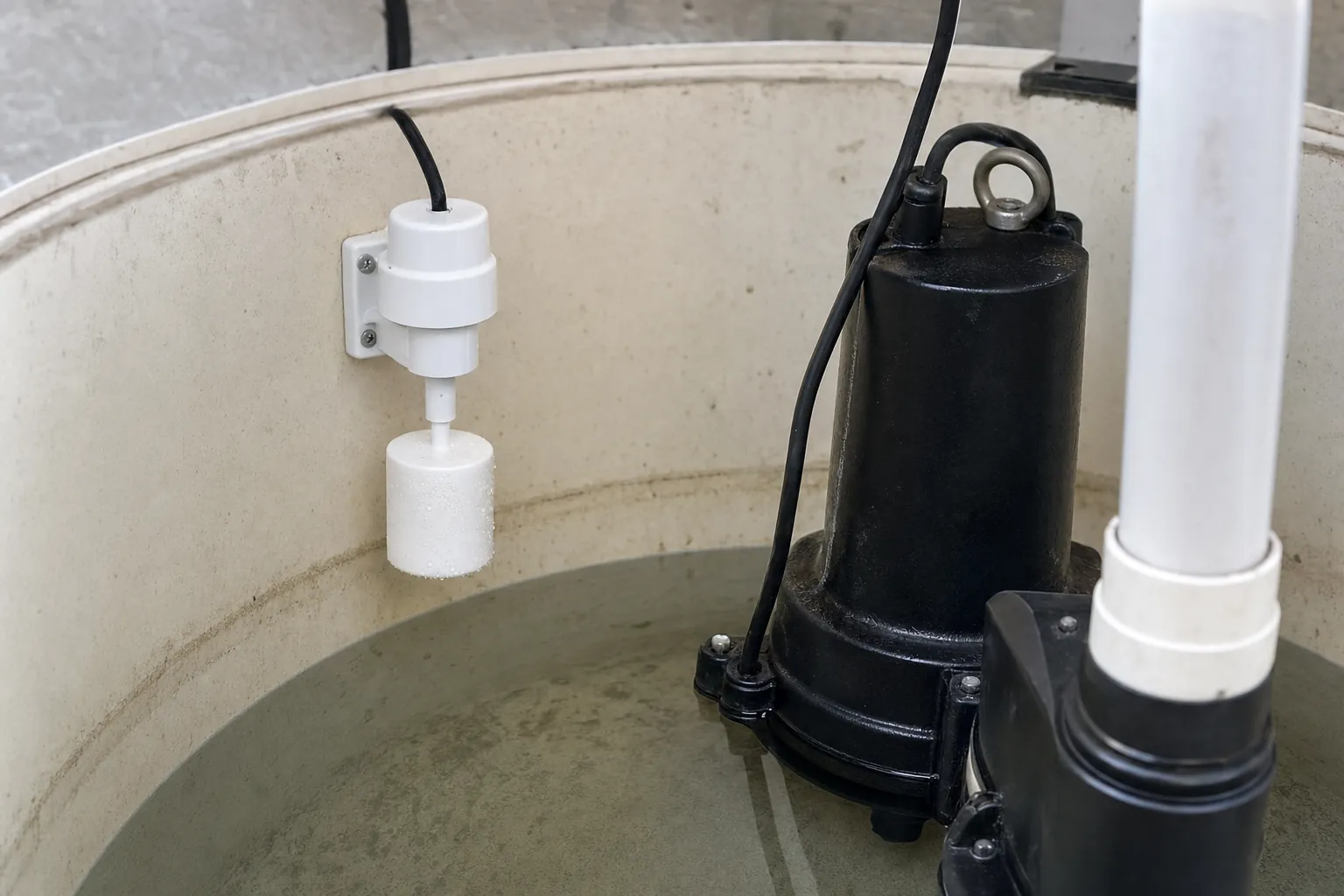
If your basement relies on a sump pump, the sump pit is often the most important alarm location. The goal is not to notify you every time the pump does its normal job. The goal is to tell you that the water has risen beyond the point where the usual cycle should have brought it down.
Follow the alarm maker's instructions for mounting height. In general, the sensor belongs above the pump's normal on-and-off range but below the point where water would overflow the pit. Keep the cable clear of the float switch, power cord, and discharge plumbing so it does not interfere with the pump. If the setup is crowded or unfamiliar, have a qualified pump or plumbing professional set the level rather than guessing.
Test the pump before you depend on the alarm. Many homeowner checklists recommend verifying that the pump runs and considering backup power for an outage. FEMA's sump-pump maintenance guidance also emphasizes keeping the pit clear and maintaining the system before a problem arrives.
Do not place a basic puck-style floor sensor inside a sump pit unless the product is specifically designed for that use. A floor sensor can tell you that the basement is wet, but it may alert only after water has already escaped the pit. A high-water sensor is the better match for an early sump-pump warning.
2. Place a Sensor at the Water Heater
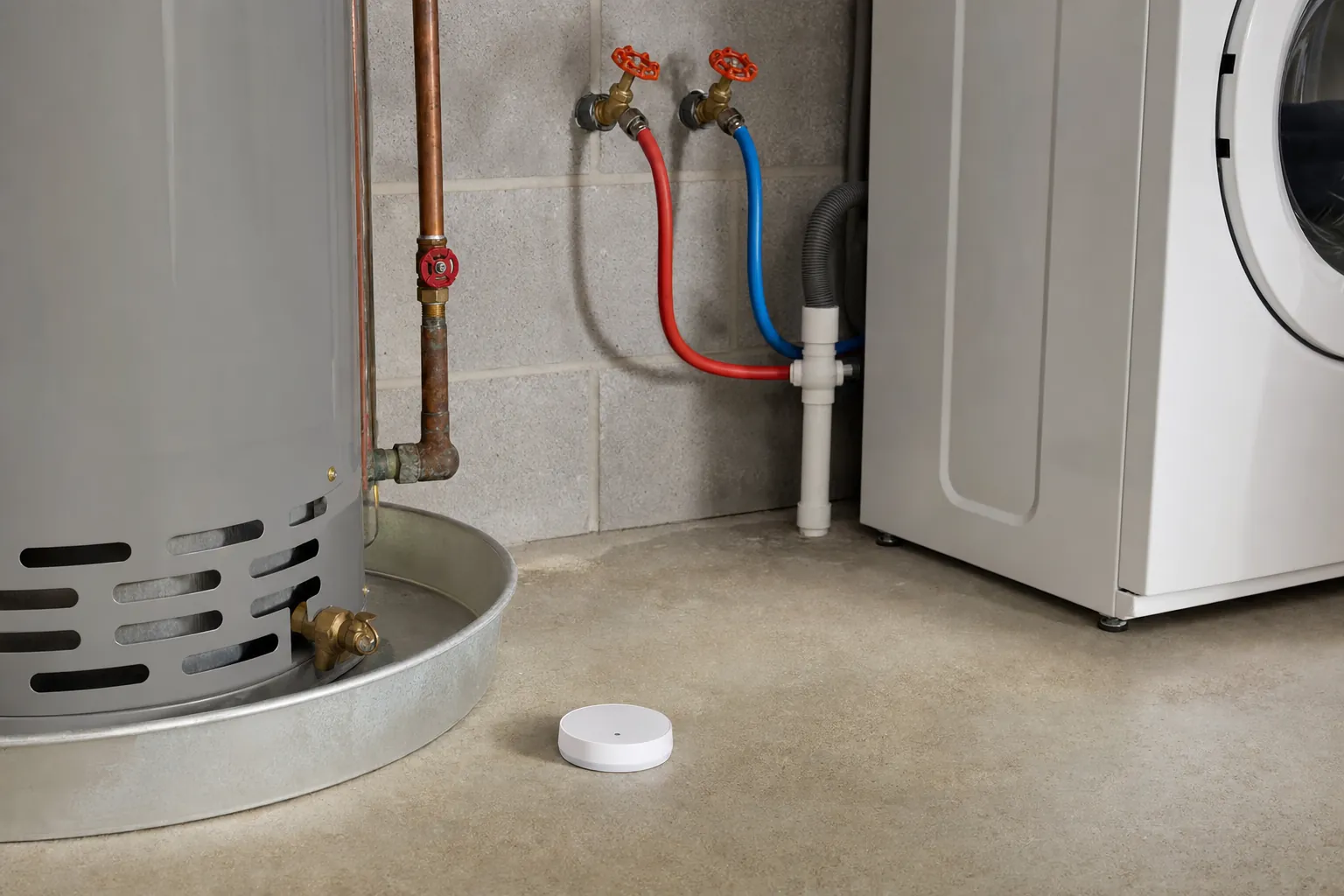
A water heater leak can begin as a small, quiet drip. Put a floor sensor at the lowest point beside the tank or inside a properly sized drain pan when the pan has room for it and the manufacturer's instructions allow it. Keep the sensor where water will reach it, not directly under a valve that could be bumped or where normal condensation will cause nuisance alerts.
Check the temperature-and-pressure relief valve discharge line too. That pipe should not be capped or blocked. If it has released water, the cause may need attention even when the floor is dry. An alarm is useful for spotting water; it does not diagnose whether the source is a fitting, drain valve, tank seam, or relief valve.
This is also a good place to learn where the home's main water shutoff is and make sure the people who need to act can reach it. If the shutoff is hard to turn, hidden behind storage, or unclear, solve that before relying on an app notification at 2 a.m.
3. Watch Washing-Machine Hoses and the Utility Sink
Washing-machine hoses, standpipes, and utility sinks are common candidates for a floor sensor because a leak there can spread before anyone notices. Slide a low-profile sensor just behind or beside the washer where it will stay accessible for battery changes. If the space is too tight, use a model with a wired probe or sensing cable rather than forcing a round sensor into a place it cannot reach.
Do not put the device where it will be kicked, crushed under a vibrating appliance, or regularly soaked by normal cleaning. Run the washer while you watch the hose connections and drain path. The right placement is where unexpected water would collect, not necessarily where the plumbing looks most dramatic.
For a basement laundry area, pair the alarm with a simple habit: replace aging hoses before they become a weak link, keep the standpipe clear, and turn off water valves during long trips when that is practical for your household. Sensors help you react faster; basic maintenance reduces the chances that you need them.
4. Cover the Floor Drain and Known Wet Spots
A floor drain deserves attention when it has backed up before, sits near a low point, or is the first place you see water during heavy rain. Put a sensor close enough to detect pooling but not so close that routine mopping, a humidifier drain, or seasonal condensation makes it cry wolf. A sensor that alarms every few weeks will eventually be ignored.
If water comes through a wall, along a foundation seam, or beneath a door, position the sensor a few inches inside the path where it will remain dry in normal conditions. You are looking for an early-warning line, not trying to catch the first molecule of moisture at the wall itself. For a recurring problem, take photos and address drainage, grading, cracks, or plumbing with the appropriate professional instead of treating alerts as a permanent repair.
The EPA's WaterSense program notes that household leaks can waste meaningful amounts of water over a year. A basement alarm can help you spot water sooner, but an alert should lead to inspection and repair, not an endless cycle of silencing the notification.
5. Decide Between a Local Alarm and Phone Alerts
A basic battery alarm is often enough when someone is usually home and the basement is close enough to hear it. It is simple, inexpensive, and does not depend on Wi-Fi. The limitation is obvious: an alarm that nobody hears does not help much.
A Wi-Fi or hub-connected sensor can send a phone notification, which is useful for a finished basement, an occupied upstairs level, travel, or a rental property you manage. Before buying, check where the hub will sit, whether the basement has reliable signal, and what happens during an internet or power outage. Some systems can alert locally even when the app cannot reach the cloud; others cannot.
Connected does not automatically mean better. A dependable local alarm with fresh batteries is stronger than a complicated setup that loses connection and never gets tested. SavvyNests' router isolation guide can help if you add connected sensors and want a more deliberate home-network setup.
Make the Alert Actionable Before You Need It
An alert should answer one question: what happens next? Write down a short response plan and keep it where the household can find it. For a small appliance leak, that may mean turning off the nearby valve, unplugging equipment only when it is safe to do so, and calling a plumber. For a rising sump pit, it may mean checking power, confirming the pump is running, and calling a pump service professional if the water continues to climb.
Do not enter standing water near electrical equipment. Do not touch a pump or appliance if you suspect an electrical hazard. And do not assume a sensor, backup pump, or smart shutoff can make a flooded basement safe to enter. When the situation is more than a small plumbing leak, follow local emergency guidance and use professional help.
A Simple Basement Water-Alarm Checklist
- Pick the first location by risk. Start with the sump pit, water heater, washer, or a spot that has leaked before.
- Match the sensor to the problem. Use a high-water sensor for a sump pit and a floor sensor or probe for appliance and floor leaks.
- Test it on installation day. Confirm the sound is audible or the phone notification arrives where it should.
- Check batteries and connections. Add a seasonal calendar reminder, especially before the wettest part of the year in your area.
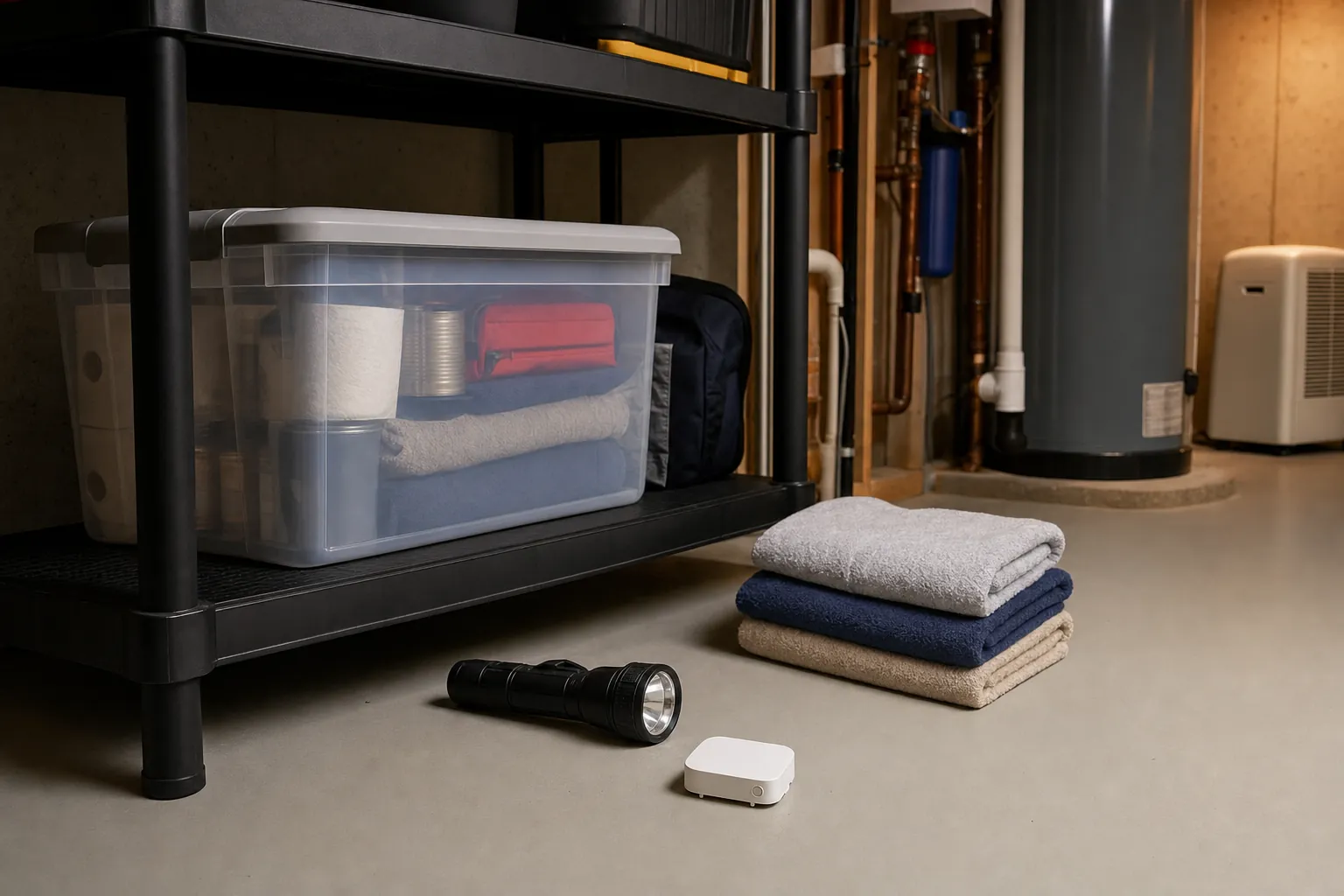
- Keep shutoff access clear. Do not let storage block the main shutoff, appliance valves, pump outlet, or the sensor itself.
- Fix the cause. Use an alert as a prompt to inspect, repair, and prevent the next leak.
Renters can use the same approach with a few extra boundaries. A battery sensor beside a washing machine or water heater is usually a low-impact addition, but report a leak to the property manager promptly and do not alter shared plumbing or electrical equipment. The Smart Home for Renters guide covers other removable upgrades that can make an apartment or rental house easier to manage.
How SavvyNests Helps You Build a Better Water-Protection Setup
The best water alarm is the one that fits the location, reaches the first water, and gives you a clear way to act. SavvyNests helps you compare the practical details that decide whether a sensor earns its place: local versus app alerts, battery access, probe shape, Wi-Fi reliability, and the difference between leak detection and a true high-water warning.
For a closer look at products and placement around utility areas, read the basement and bathroom water-leak detector guide. If phone alerts are the priority, the smart leak-sensor guide with mobile alerts is a useful next comparison.
Frequently Asked Questions
Where should I put a water alarm in my basement?
Start at the place where water is most likely to appear first: the sump pit, water heater, washing-machine hoses, utility sink, floor drain, or a known damp spot. Use a high-water alarm for a sump pit and a floor sensor or probe for appliance leaks and low spots.
Will a water alarm work during a power outage?
Many battery-powered local alarms will continue to sound during an outage, but connected alerts may depend on the sensor, hub, router, and internet connection. Check the product instructions and test the local alarm separately from the phone notification.
How often should I test a basement water alarm?
Test it when you install it, then check it on a regular seasonal schedule and before a long trip. Replace batteries according to the maker's instructions, not only after an alert.
Can a water alarm prevent a flooded basement?
No. It provides an early warning so you can respond sooner. Preventing a flood may also require pump maintenance, backup power, drainage work, plumbing repairs, or professional advice depending on the source of the water.