
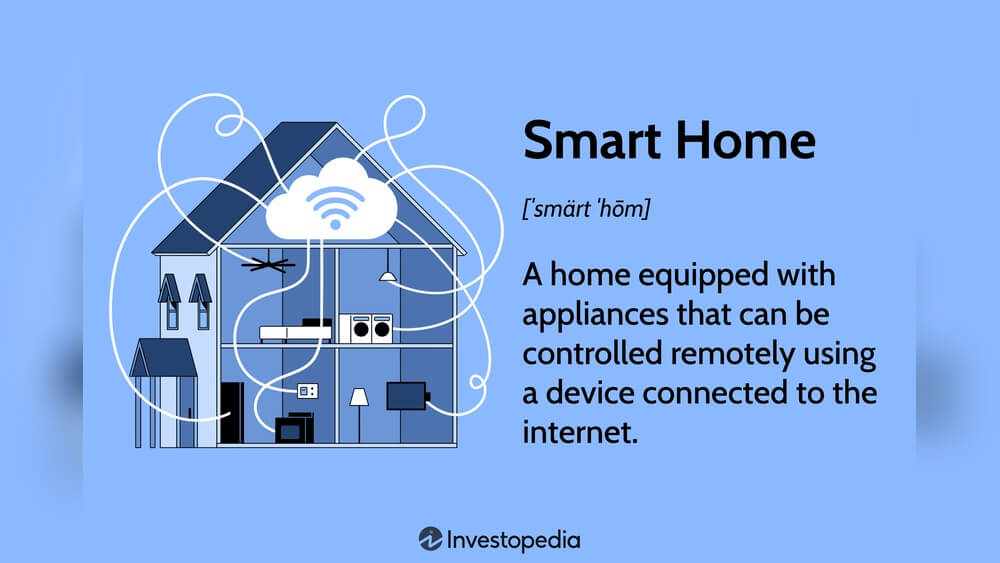
Smart home sensors are small devices. They help your home become smarter. They watch what happens around your house. Then, they send information to your phone or other devices.
These sensors make homes safer, easier, and more comfortable. But many people do not know how they work. This article will explain smart home sensors simply. We will also see how they help in daily life.
What Are Smart Home Sensors?
Smart home sensors are tools that detect things. They can sense motion, temperature, light, sound, and more. When the sensor finds something, it sends a signal. This signal tells your smart home system what is happening.
For example, a motion sensor can tell if someone moves in a room. A temperature sensor can check if a room is hot or cold. These sensors send data to smart devices or apps. Then, the devices can act based on the data.
Why Do People Use Smart Home Sensors?
People use these sensors for many reasons. They want to keep their homes safe. They want to save energy. They want their homes to be more comfortable. Smart sensors help with all these things.
Here are some common reasons to use smart home sensors:
- Detect intruders and keep the home safe
- Control heating and cooling efficiently
- Turn lights on or off automatically
- Monitor air quality for healthy living
- Check if doors or windows are open or closed

Credit: www.amazon.com
Credit: homesmart.sg
Types of Smart Home Sensors
There are many types of smart home sensors. Each type has a special job. Let’s look at some popular sensors and what they do.
1. Motion Sensors
Motion sensors detect movement in a room or area. They use technology like infrared or microwave signals. When they sense motion, they send a message to your smart system.
Uses of motion sensors:
- Turn lights on when you enter a room
- Alert you if someone moves in your house
- Control security cameras to start recording
2. Temperature Sensors
Temperature sensors check how hot or cold a place is. They send this information to heating or cooling systems. This helps keep your home at a nice temperature.
Benefits of temperature sensors:
- Save energy by adjusting heating or cooling
- Make sure the home is comfortable
- Protect plants or pets by keeping rooms safe
3. Light Sensors
Light sensors measure the amount of light in a room. They help control smart lights by turning them on or off. Or they can adjust the brightness automatically.
Why use light sensors?
- Save electricity by using lights only when needed
- Make rooms brighter or darker based on time of day
- Help smart blinds open or close depending on sunlight
4. Door And Window Sensors
These sensors detect if a door or window is open or closed. They can send alerts if a door is opened unexpectedly.
Common uses:
- Improve home security
- Help control heating by closing windows
- Notify if children open doors or windows
5. Smoke And Carbon Monoxide Sensors
These sensors detect smoke or harmful gases like carbon monoxide. They send alerts to warn you of danger.
Why they are important:
- Protect your family from fire risks
- Warn you about gas leaks
- Help emergency services respond faster
6. Water Leak Sensors
Water leak sensors find water where it should not be. They can stop damage from leaks or floods.
Uses include:
- Alert you if a pipe breaks
- Prevent water damage in basements or kitchens
- Help save money on repairs
How Do Smart Home Sensors Work?
Smart home sensors work by using simple technology. Each sensor has parts that detect changes. When change happens, the sensor sends a signal.
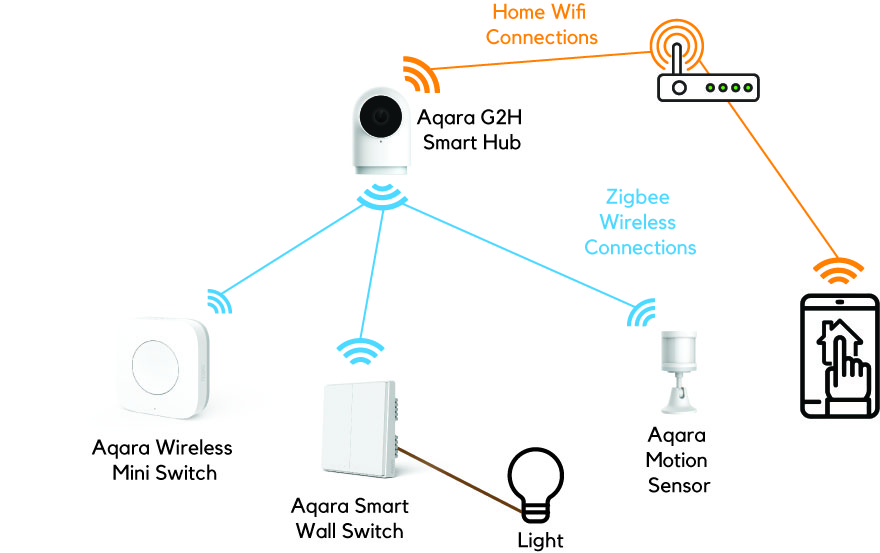
This signal travels to a smart home hub or your phone. The hub is a central device that controls your smart home. It tells other devices what to do next.
For example, if a motion sensor detects movement at night, it can tell lights to turn on. Or if a temperature sensor finds the room too cold, it can turn on the heater.
Communication Methods
Sensors use different ways to send signals. Here are common methods:
- Wi-Fi: Connects directly to your home internet.
- Bluetooth: Works for short distances.
- Zigbee and Z-Wave: Special wireless signals for smart homes.
- Wired connections: Some sensors use wires for power and data.
Smart homes often use a hub. The hub talks to all sensors and devices. It makes everything work smoothly together.
How Sensors Help You Every Day
Smart home sensors make life easier in many ways. Here are some daily examples:
Better Security
Motion and door sensors help protect your home. They alert you if someone enters without permission. This helps keep your family safe.
Energy Savings
Temperature and light sensors save electricity and gas. They make sure heating and lights run only when needed. This lowers your bills.
Comfort And Convenience
Sensors adjust lights and temperature for your comfort. You do not have to do it yourself. You come home to a nice, cozy house.
Health And Safety
Smoke, carbon monoxide, and water sensors keep you safe. They warn you about dangers early. This can prevent accidents and damage.
Simple Table: Types of Smart Home Sensors and Uses
| Sensor Type | What It Detects | Main Uses |
|---|---|---|
| Motion Sensor | Movement | Security alerts, auto lights |
| Temperature Sensor | Heat and cold | Climate control, energy saving |
| Light Sensor | Light level | Lighting adjustment, blinds control |
| Door/Window Sensor | Open/close status | Security, energy saving |
| Smoke/CO Sensor | Smoke and gas | Fire and gas safety |
| Water Leak Sensor | Water leaks | Prevent water damage |
What To Consider Before Buying Sensors
When choosing sensors, think about your needs. Here are some tips:
- Check if the sensor works with your smart home system.
- Decide what you want to monitor or control.
- Look at the sensor’s range and battery life.
- Consider if you want wireless or wired sensors.
- Read reviews to find easy-to-use sensors.
It is best to start small. Add sensors one by one. This way, you learn how they work. You can add more later if needed.
Frequently Asked Questions
What Are Smart Home Sensors And How Do They Work?
Smart home sensors detect changes like motion, temperature, or light in your home. They send signals to your smart system to trigger actions like turning on lights or alarms.
Which Types Of Sensors Are Common In Smart Homes?
Motion sensors, door/window sensors, temperature sensors, and smoke detectors are common smart home sensors. Each type monitors different conditions for security and comfort.
How Do Motion Sensors Improve Home Security?
Motion sensors detect movement and alert you or trigger alarms. They help spot intruders and keep your home safe.
Can Smart Sensors Save Energy In My Home?
Yes, smart sensors can control heating, cooling, and lighting based on usage. This reduces energy waste and lowers bills.
Conclusion
Smart home sensors are useful tools. They help keep your home safe and comfortable. They save energy and time. Sensors detect many things like motion, temperature, and smoke.
They send signals to your smart home system. The system then acts to help you. You can control sensors with a phone or voice commands. Sensors make daily life easier and safer.
Learning how sensors work can help you choose the right ones. Start with simple sensors and add more over time. A smart home with sensors is a helpful and friendly place to live.