
Smart thermostats are becoming popular in many homes. They help save energy and keep rooms comfortable. But how do they know what you like? How do they learn your behavior? This article explains how smart thermostats learn user behavior in a simple way.
What Is a Smart Thermostat?
A smart thermostat is a device that controls the heating and cooling in your home. It connects to the internet and can be controlled from your phone or computer. Unlike regular thermostats, smart ones can learn your habits and adjust the temperature automatically.

Credit: iticollege.edu
Why Is Learning User Behavior Important?
Learning user behavior means the thermostat understands your daily routine. It knows when you wake up, leave the house, or go to sleep. This helps the thermostat save energy by heating or cooling only when needed. It also keeps your home comfortable at the right times.
How Do Smart Thermostats Learn?
Smart thermostats use many tools to learn your behavior. They watch the temperature changes you make. They also use sensors and data from your phone or other devices. Here are some main ways they learn:
1. Tracking Temperature Changes
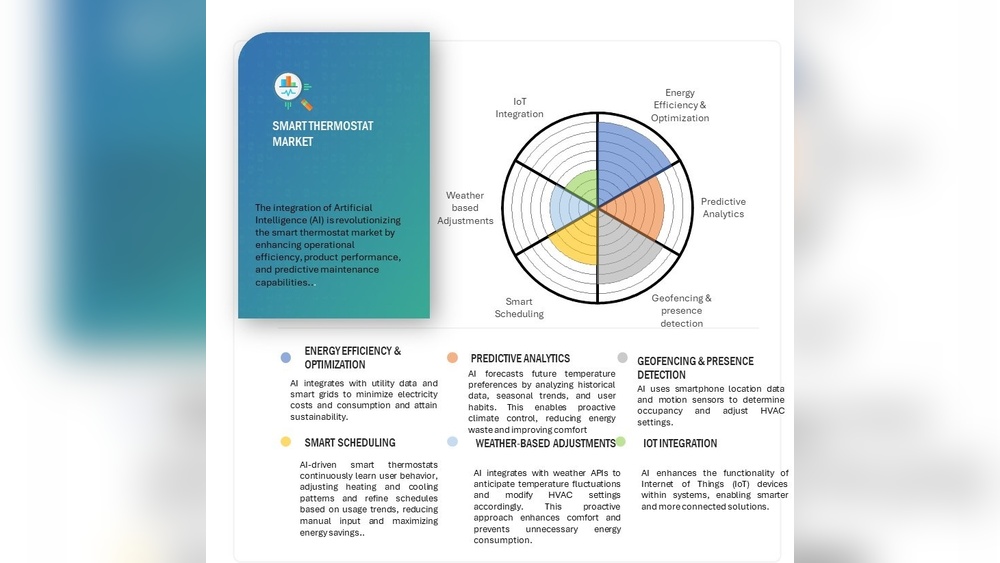
When you change the temperature, the thermostat records it. It sees what time you adjust the heat or air conditioning. After some days, it notices patterns. For example, you might turn the heat up every morning at 7 am. The thermostat learns this and starts adjusting the temperature by itself.
2. Using Motion Sensors
Many smart thermostats have motion sensors. These sensors know if someone is in the room. If no one is home, the thermostat can lower the heat or cooling. When it detects movement again, it can make the room comfortable quickly.
3. Connecting With Your Phone
Some thermostats connect with your phone’s location. When you leave home, the thermostat knows. It lowers the temperature to save energy. When you come back, it warms or cools the home again. This way, it learns where you are and adjusts the temperature.
4. Learning From Weather Data
Smart thermostats also use weather information. They check if it will be hot or cold outside. This helps them adjust the temperature inside your home better. For example, on a cold day, it might warm your house more than usual.
How Does the Learning Process Work?
The learning process happens in steps. The thermostat collects information over time. It uses this data to guess what you want. The more you use it, the better it understands your habits.
Here is a simple overview of the process:
| Step | What Happens |
|---|---|
| 1. Data Collection | Thermostat records temperature changes and sensor data. |
| 2. Pattern Recognition | It finds patterns in your daily temperature adjustments. |
| 3. Temperature Adjustment | Thermostat changes temperature automatically based on patterns. |
| 4. Continuous Learning | Thermostat keeps learning and updating its settings. |

Credit: lifestyle.sustainability-directory.com
Examples of Learning Behavior
Let’s see some examples of how smart thermostats learn:
- Morning Warm-up: You like warm rooms at 7 am. The thermostat learns this. It starts warming the house before you wake up.
- Leaving Home: When you leave at 9 am, it lowers the heat. This saves energy while you are away.
- Evening Cool-down: At 10 pm, you prefer cooler rooms. The thermostat cools the house at this time automatically.
Benefits of Learning Thermostats
Smart thermostats give many benefits:
- Save Energy: They reduce heating and cooling when not needed.
- Comfort: Your home stays at the temperature you like.
- Easy to Use: No need to change settings every day.
- Cost Savings: Lower energy use means lower bills.
Challenges and Limits
Smart thermostats are not perfect. Sometimes, they may not guess your needs right. If your schedule changes a lot, the thermostat may get confused. Also, learning takes time. The thermostat needs days or weeks to understand well.
Another challenge is privacy. Some people worry about sharing data. Most devices protect your data well. But it is good to check privacy settings before using.
Tips to Help Your Thermostat Learn Better
You can help your smart thermostat learn faster:
- Use the thermostat regularly and adjust the temperature as you want.
- Connect it to your phone for location-based control.
- Keep sensors clean and free from dust.
- Update the thermostat’s software when updates are available.
Frequently Asked Questions
How Do Smart Thermostats Learn My Schedule?
Smart thermostats track your daily routines and temperature preferences. They adjust settings based on when you wake up, leave, or return home.
Can Smart Thermostats Save Money On Energy Bills?
Yes, by learning your habits, they reduce heating or cooling when not needed. This lowers energy waste and saves money over time.
Do Smart Thermostats Work Without Internet?
Some models can work offline using built-in sensors and timers. But internet access allows better learning and remote control features.
How Quickly Do Smart Thermostats Adapt To Changes?
Most learn your patterns within a week or two. They continuously update to match your lifestyle changes.
Conclusion
Smart thermostats learn user behavior by watching your temperature choices. They use sensors and data to find patterns. This helps save energy and keep your home comfortable. Learning takes time and needs your help. With good use, smart thermostats make heating and cooling easier and cheaper.