An automatic water shutoff valve is a second line of defense for the moment a supply hose leaks, a fitting fails, or water keeps flowing while nobody is home to notice it. It does not replace knowing where the main shutoff is, maintaining appliances, or fixing a known drip. It can, however, limit how long a plumbing leak has water behind it.
The useful systems do two jobs: they look for a likely leak, then they close the home's main water supply when the alert calls for it. That is very different from a small water sensor that only beeps or sends a phone notification. Both can be worthwhile. The right choice depends on how quickly you can act, where the water risk is, and whether the home can accommodate a valve on the main line.
The EPA notes that household leaks can waste substantial amounts of water over time, which is a good reason to fix a known drip before adding technology. Its leak-check guide is a useful starting point if an unusually high water bill or a running fixture points to a problem.
Quick answer: is an automatic water shutoff valve worth it?
An automatic shutoff is worth considering when a leak could run unnoticed for hours, the main valve is accessible, and the household can test the system after installation. Start with leak sensors when the risk is limited to one area or the home cannot accommodate a main-line valve. A plumber-installed whole-home system is the stronger option when stopping water quickly matters more than receiving an alert alone.
What an automatic water shutoff valve does
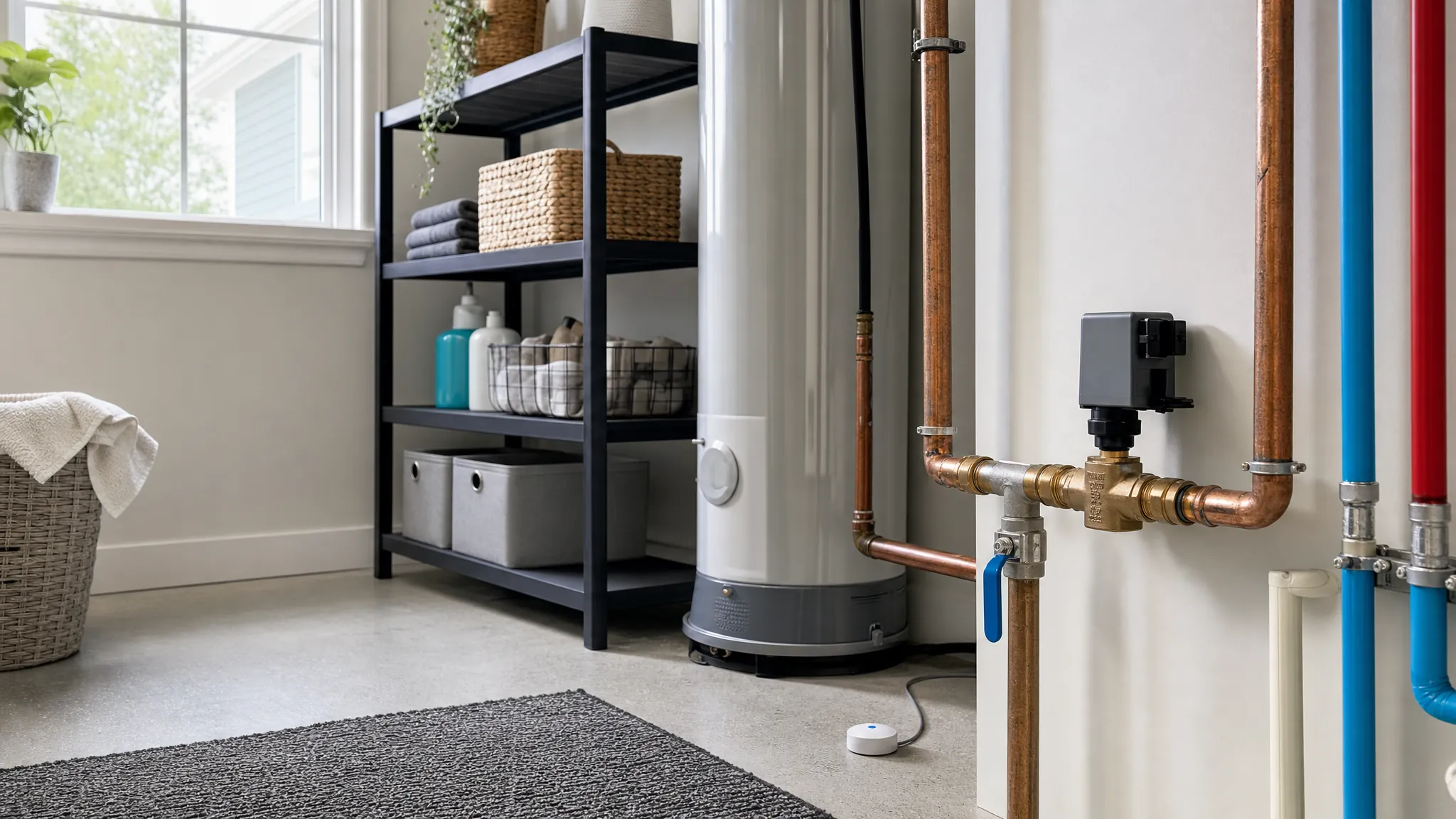
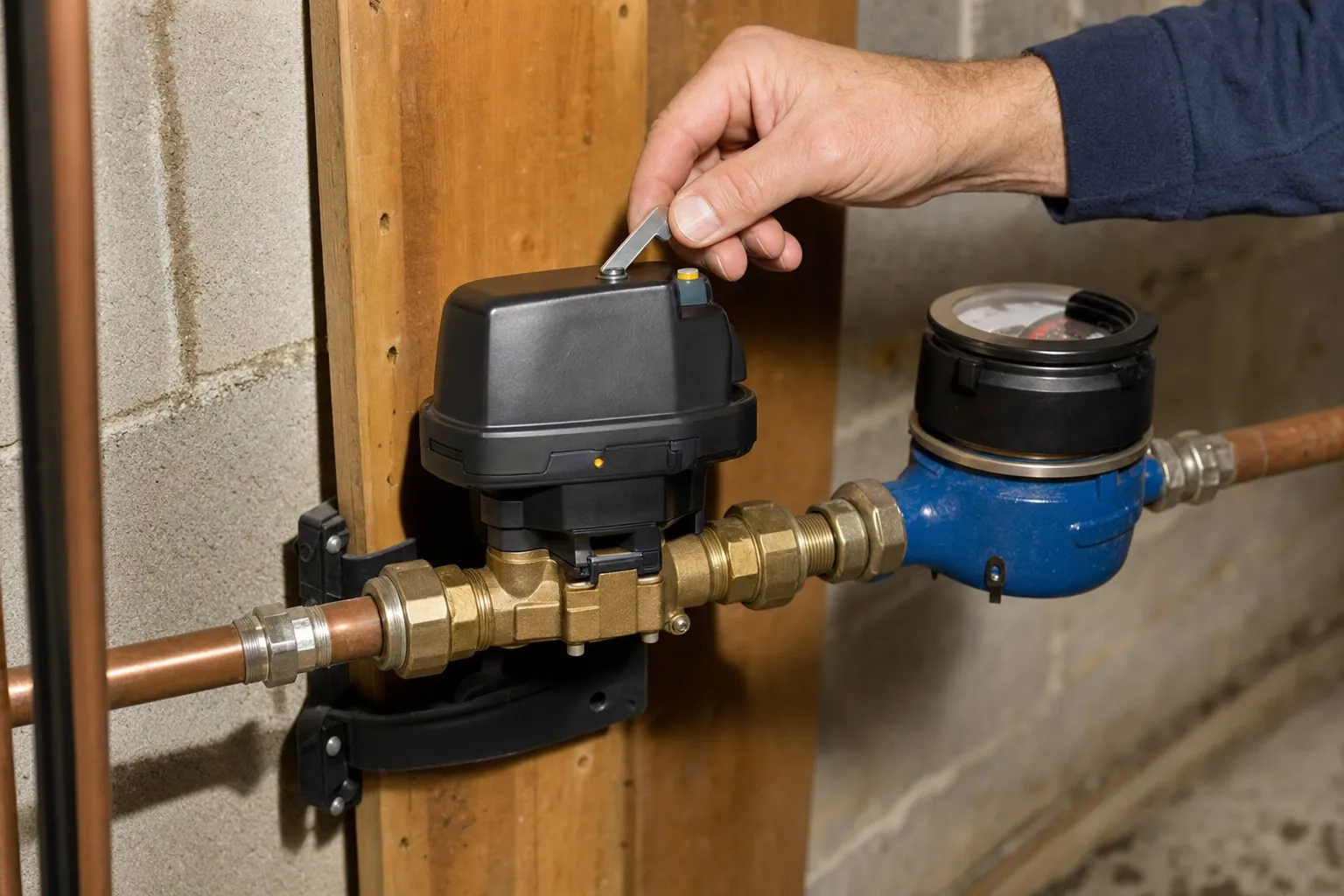
A whole-home automatic shutoff valve sits on, or operates, the main cold-water line where water enters the home. When the system decides there is a likely leak, it can close that valve to stop water from feeding pipes, appliances, toilets, and fixtures downstream.
How it decides varies by system. Some use floor sensors near a laundry room, water-heater closet, sink cabinet, or basement plumbing. Others watch the water flow itself and look for a pattern that suggests water is running when it should not be. A few combine both approaches.
That difference matters. A sensor-based setup can react quickly to water that reaches the floor, but it only protects the areas where sensors are placed. A flow-monitoring setup can potentially notice a hidden or slow leak, but it needs careful setup so normal events, such as irrigation, a humidifier, or a long shower, do not create unnecessary shutoffs.
Water sensor vs. automatic shutoff system
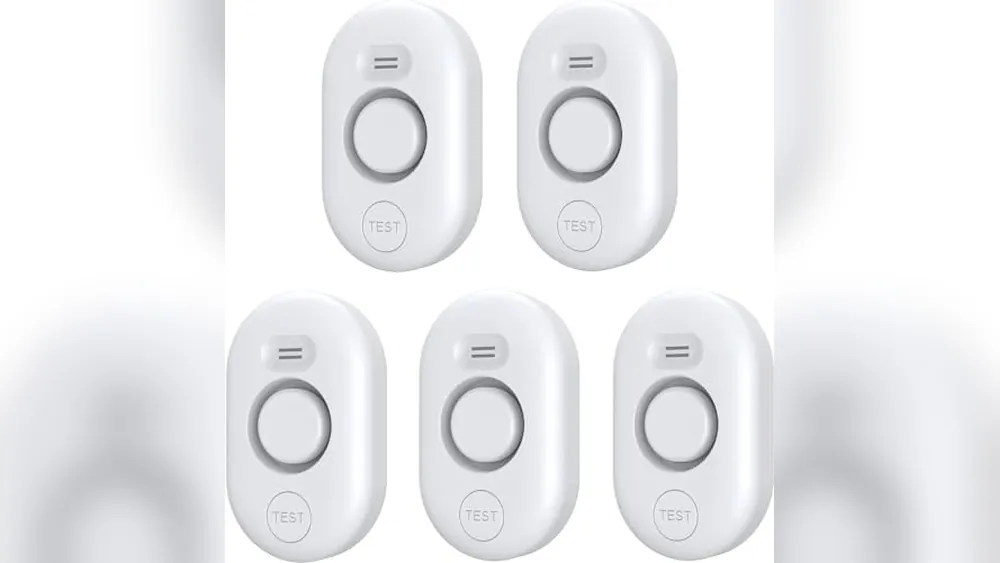
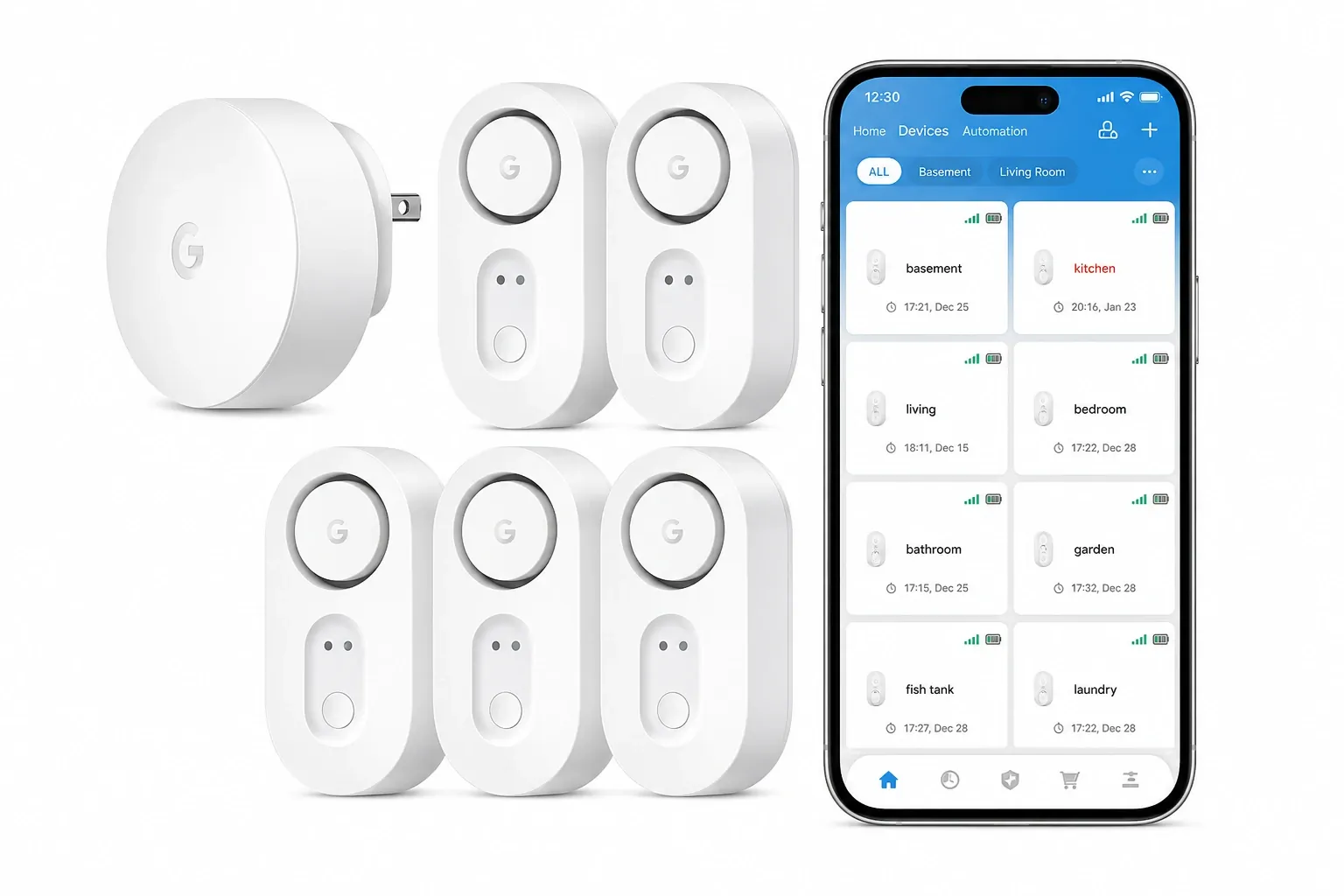
A small leak sensor is usually the easier first purchase. Put it at the lowest point near an appliance or plumbing connection, test its local alarm, and make sure someone will see the alert. SavvyNests' basement water-alarm guide explains where those floor sensors are most useful, including the difference between appliance-leak alerts and a sump-pit high-water alarm.
An automatic shutoff system costs more and asks more of the home, but it can be a stronger match when a leak could run for hours. That can include a frequently empty home, a finished basement below plumbing, a second home, a utility room with older hoses, or a household that wants a faster response than a phone alert alone can provide.
- Choose a sensor-only setup when you need focused warning near one appliance, can reach the main shutoff quickly, and want a simple portable solution.
- Choose a valve with sensors when the main goal is to stop water after a floor-level leak appears in a monitored risk area.
- Choose a flow-monitoring shutoff when hidden pipe leaks and unusual water use are part of the concern, and the household is willing to configure and test the system carefully.
No system makes plumbing maintenance optional. Replace questionable washer hoses, repair known drips, maintain the sump pump where relevant, and keep the manual shutoff accessible. Automation is most useful after those basics are in place.
Where the valve goes, and why that changes the job
For whole-home protection, the valve normally belongs on the main water line after the meter or pressure regulator and before most branch lines. That location lets it stop water to a broad part of the house. The exact pipe, clearance, valve size, and local requirements vary, so a plumber is the right person to confirm whether a particular system can be installed safely.
Some devices attach over an existing manual ball valve. Others require a purpose-built valve body to be fitted into the line. The first option can be less invasive when the existing valve is accessible and turns easily. The second may make more sense when the old shutoff is corroded, poorly located, or not suitable for a motorized actuator.
Before shopping, take a clear photo of the main shutoff area and note what is nearby: pipe material, valve handle type, water meter, outlet, Wi-Fi reach, drain, and storage that may block access. Do not assume every home has the same piping layout. A system that looks simple in a product photo may need different fittings, an electrical outlet, or more clearance than your utility room has.
The places that benefit most from leak protection
Start with the water risks that can remain unnoticed. A sensor near a washing machine, water heater, dishwasher, refrigerator line, or sink cabinet can provide a useful first warning. The laundry area deserves special attention because supply hoses and drain connections can leak in a spot that is easy to ignore between loads.
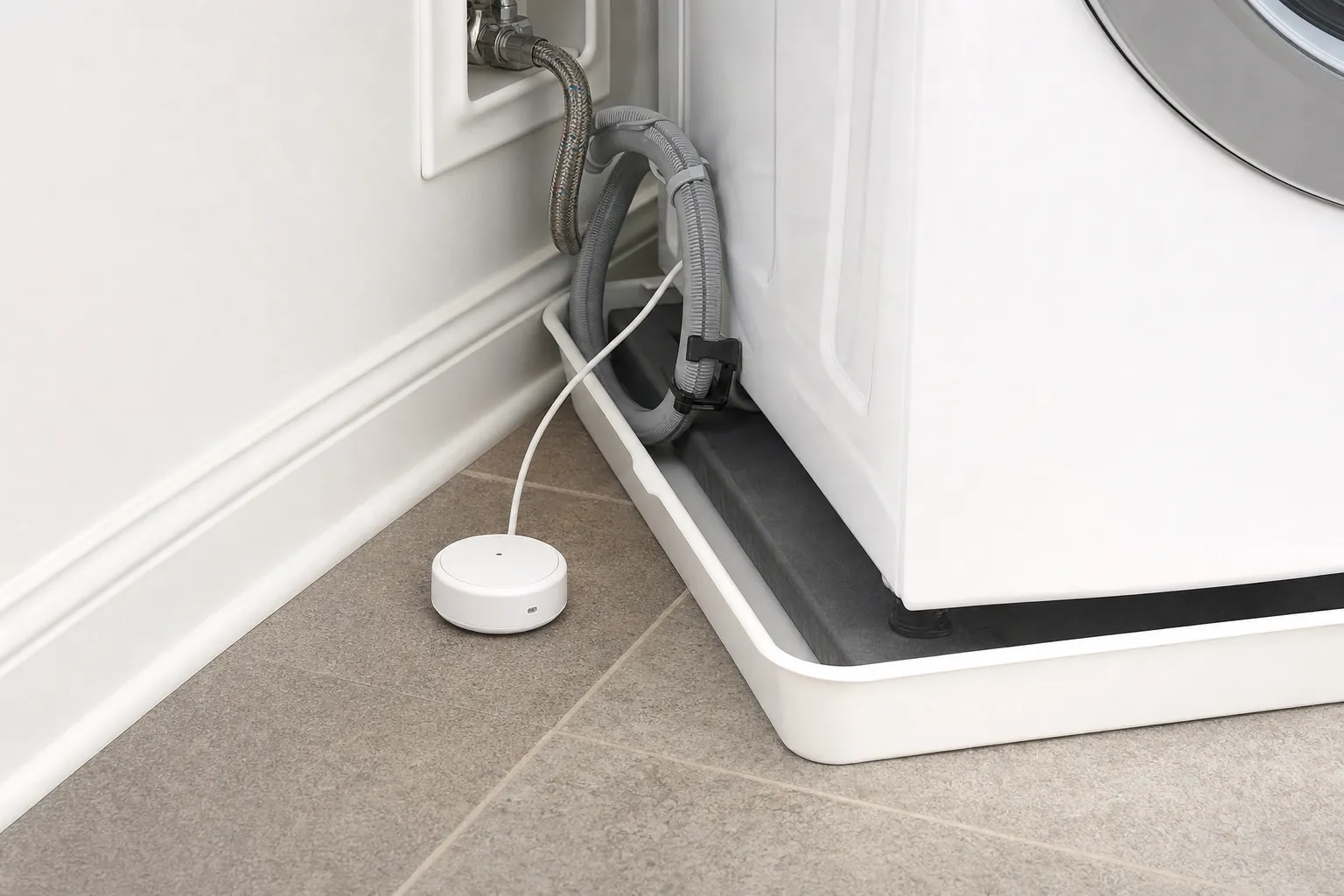
For a basement, separate plumbing leaks from groundwater and sump-pump problems. Closing the home's water main will not stop rainwater, a failed sump pump, or water entering through a foundation. It can still prevent a separate plumbing failure from adding to the mess. Use the right alert for the actual source of water rather than expecting one product to cover every kind of basement flooding.
If a home includes a smart water heater, an irrigation system, a humidifier, or a pool-fill line, list those before enabling automatic shutoff. Those uses may need a compatible setting, an exclusion, or a planned schedule. A system that turns off water at the wrong time can be more than inconvenient.
Alerts, power, and Wi-Fi are part of the decision
Connected monitoring is only useful when the alert reaches someone who can act. Check whether the system sounds a local alarm, sends a push notification, can notify another household member, and keeps a history of what happened. A loud local alarm is still valuable when the phone is on silent or the internet is down.
Ask what happens during a power outage. Some valves include battery backup, while others remain in their last position until power returns. A battery-backed sensor may keep detecting water even when the router is offline, but the remote alert could wait. Make that limitation part of the household's emergency plan, not a surprise discovered during a storm.
Wi-Fi quality matters as well. Test the signal at the utility room before committing to a cloud-connected system. If the main line is in a concrete basement or detached garage, a router adjustment or mesh node may be more practical than hoping a weak signal will become reliable. SavvyNests' smart-home network guide can help you keep connected devices on a more deliberate network once the basic connection is stable.
What to compare before buying
Once you know a whole-home system is possible, compare only the models that fit the pipe, risk area, and response plan. It is easy to get distracted by a long feature list. The more important question is whether the device will give the household a useful warning and a dependable way to stop water when it matters.
How the system detects a problem
Floor-sensor systems work best when the likely leak point is known. A sensor under a washing machine, water heater, refrigerator line, or sink cabinet can react to water that reaches the floor. Choose a sensor with a loud local alarm if someone is usually home, and make sure the sensor can reach the actual low point rather than sitting on a shelf or behind an obstacle.
Flow-monitoring systems use the main line to look for unusual patterns. That can be helpful for hidden leaks, but it also means the system needs to learn the difference between a problem and ordinary water use. Ask how the device handles a toilet refill, irrigation zone, water softener regeneration, humidifier, pool fill, or a guest taking a long shower. A setup that treats normal use as an emergency will lose trust quickly.
Manual access and overrides
Every automatic system needs a clear manual path. Someone should be able to find the main valve, understand whether water is on or off, and restore service if a false alarm occurs. Check whether the device has a physical override, what happens when the battery is low, and whether the valve can still be operated by hand if the app or home Wi-Fi is unavailable.
Accessibility matters here. Do not choose a system that leaves the main shutoff behind heavy storage, a locked utility closet, or a hard-to-reach crawlspace without a realistic plan for emergencies. A device can add protection, but it should not make the basic water shutoff harder to understand.
Power and maintenance needs
Some systems plug into a standard outlet, some use replaceable batteries, and some use both. Confirm what remains active if power fails and how the device reports a weak battery. A sensor that quietly stops reporting is not useful just because it still appears in an app list.
Maintenance should be small and predictable: a seasonal sensor test, a quick look at the valve area, battery replacement when required, and a check after any plumbing or router change. If the system has more steps than the household will realistically do, start with a simpler setup that can be kept reliable.
Privacy and account access
Water monitoring does not carry the same privacy concerns as a camera, but it still creates an account connected to the home. Use a unique password, turn on two-factor authentication when available, and remove old household members from access when living arrangements change. If the system can share alerts, decide in advance who needs them and what they are expected to do after receiving one.
When an automatic shutoff is not the answer
There are cases where a smart valve is more complexity than the problem needs. A small apartment with no control over the main line may be better served by a few well-placed leak sensors and a clear contact plan. A house with a known plumbing failure needs a repair first, not an app notification. A basement that floods from storms or groundwater needs drainage, sump-pump, grading, or foundation work rather than a valve that only stops indoor plumbing water.
It may also be the wrong timing when the main shutoff is failing, the pipe layout is unclear, or the home has systems that cannot tolerate an unexpected loss of water. Medical equipment, specialty heating systems, irrigation, livestock waterers, and other unusual setups all need a deliberate review. When in doubt, a plumber can explain what the main valve controls and whether an automatic actuator is sensible for that line.
Think of the system as a way to reduce a specific risk, not as a guarantee against every water problem. That mindset keeps the buying decision grounded: use the simplest protection that covers the leak you can reasonably prevent, then make sure people still know what to do when an alert arrives.
Installation, renters, and insurance conversations
Installing a whole-home shutoff is usually not a renter project. It changes plumbing that belongs to the property owner, and the best location may be in a shared utility space or behind an access panel. Renters can still use portable leak sensors beneath appliances, in a bathroom cabinet, or near an accessible water heater if the property rules allow it.
Owners should get a clear installation estimate before buying a device. Ask whether the current manual shutoff is usable, whether the pipe needs to be cut, whether the system needs a nearby outlet, and how the installer will test the valve after fitting it. Keep the paperwork, device model, and final location with other home-maintenance records.
Some insurers or water utilities may have leak-protection programs, discounts, or approved-device lists, but the details are local and change over time. Treat those as a possible bonus, not the reason to buy. Confirm any requirement directly with the company before choosing a model or assuming a discount applies.
Set up a simple test plan
Do not install a water shutoff system and forget it. Test the parts you depend on while you are home and calm enough to respond. The exact steps come from the manufacturer, but a sensible first-week check usually looks like this:
- Find the manual main shutoff and make sure everyone who needs to use it can reach it.
- Confirm the app, local alarm, and any shared alerts are going to the right people.
- Test each floor sensor with the method the maker recommends, then dry it thoroughly.
- Run a normal fixture and make sure the flow monitor recognizes expected water use.
- Test the valve's manual override so you know how to restore water if an automatic event occurs.
- Repeat a brief check on a seasonal schedule, and after changing the router, replacing batteries, or doing plumbing work.
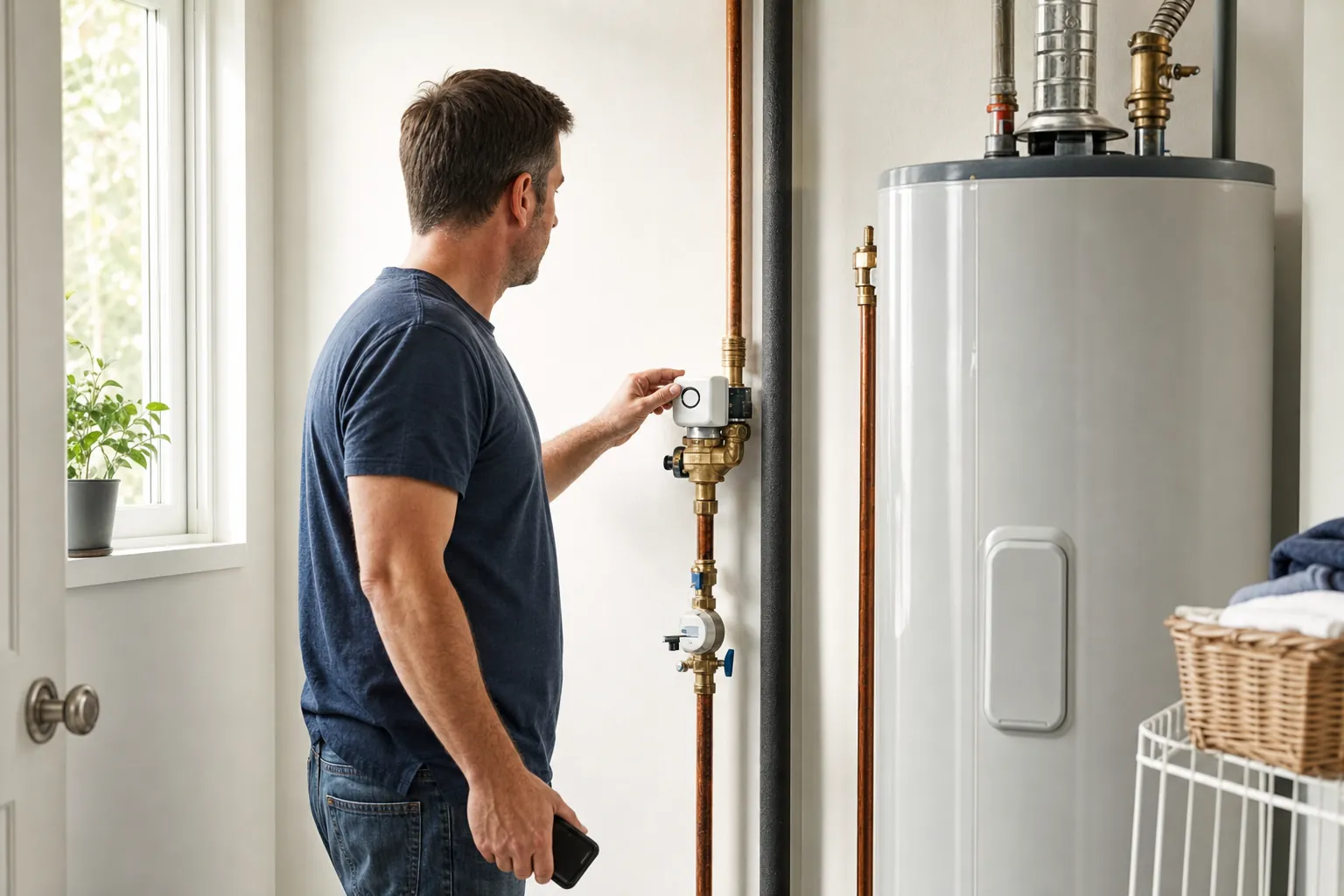
Keep the plan short enough that it actually gets done. The point is not to create another smart-home chore. It is to make sure the device, household, and manual fallback all work together when water is the last thing you want to troubleshoot.
How SavvyNests helps you make the next water-safety decision
A good water-protection setup begins with the risk you are trying to reduce, not the most expensive device in the aisle. SavvyNests helps you compare the details that make an alert or shutoff useful in real life: placement, power, Wi-Fi, maintenance, plumbing limits, and how quickly someone can respond. Start with the smart-home device buying guide if you are still narrowing the category, or explore the broader smart-home automation guide to see how a few clear protections can fit into the rest of the home.
Frequently asked questions
Can an automatic water shutoff valve prevent all water damage?
No. It can limit damage from plumbing leaks by stopping water from the home's supply line, but it cannot stop rainwater, sewer backups, groundwater, or a sump-pump failure. It also cannot undo water that leaked before it detected the problem.
Do I need a plumber to install an automatic water shutoff valve?
Many whole-home systems need a plumber because they attach to or replace part of the main water line. A device that works with an accessible existing ball valve may be simpler, but the home's piping, valve condition, clearance, and local rules still determine whether the installation is suitable.
Will an automatic shutoff turn off water during a shower?
It should not when it is configured and tested correctly, but normal water use can affect how a flow-monitoring system behaves. Check how the device handles long showers, irrigation, humidifiers, appliances, and other expected water events before turning on automatic shutoff.
Are water leak sensors enough without a shutoff valve?
They can be enough for a focused risk area when someone can respond quickly. A sensor near a washing machine or water heater provides an early warning, while an automatic shutoff adds the ability to stop water when nobody is there to act.
Can renters use automatic water shutoff systems?
Renters should not alter a property's main plumbing without the owner's written approval. Portable leak sensors are usually the more practical option because they can protect a specific risk area without changing the building's water line.