Best Smart Home Devices for Beginners
Starting your smart home journey doesn’t have to be overwhelming. With the right devices, you can transform your living space into a more convenient, secure, and energy-efficient home without needing a degree in computer science. Whether you’re settling into a cozy apartment in Queens or managing a bustling household on Long Island, the smart home devices available in 2026 are more intuitive and accessible than ever before.
This comprehensive guide will walk you through the essential smart home gadgets for new homeowners, helping you make informed decisions that fit your lifestyle and budget.
Why Start with Smart Home Technology Now
The smart home market has matured significantly, making 2026 the ideal time for beginners to dive in. Devices now work together seamlessly, setup processes have become remarkably simple, and prices have dropped considerably. For New York area residents dealing with unpredictable weather, high energy costs, and security concerns, smart home technology offers practical solutions that pay for themselves over time.
Modern smart devices no longer require complex wiring or professional installation. Most connect directly to your existing WiFi network and can be controlled through intuitive smartphone apps or voice commands. This accessibility means that even if you’ve never installed a tech device before, you can have a functioning smart home system up and running within an afternoon.
Smart Speakers and Voice Assistants
Your smart home journey should begin with a voice assistant. These devices serve as the central hub for controlling other smart devices, answering questions, setting reminders, and managing your daily routines through simple voice commands.
The three main ecosystems are Amazon Alexa, Google Assistant, and Apple HomeKit. Each has its strengths, but for beginners, Amazon Echo devices and Google Nest speakers offer the broadest compatibility with other smart home products. They’re also the most forgiving when it comes to voice recognition, understanding commands even when you don’t phrase things perfectly.
Setting Up Your First Voice Assistant
Setup takes about five minutes. Download the corresponding app, plug in your device, and follow the on-screen instructions to connect it to your WiFi. You’ll link your music streaming services, set your location for weather updates, and you’re ready to go. No technical expertise required.
Smart Lighting Solutions
Smart lighting is often the gateway device that hooks people on home automation. The ability to control your lights from bed, set schedules, or create mood lighting with voice commands transforms your daily routines in surprisingly delightful ways.
For beginners, start with smart bulbs rather than smart switches. Smart bulbs simply screw into your existing fixtures and connect to your WiFi or a small hub. Philips Hue remains the gold standard, but more affordable options from brands like LIFX, Wyze, and Sengled offer excellent performance at lower price points.
Begin with bulbs in your most-used spaces: the living room, bedroom, and perhaps the kitchen. You’ll immediately appreciate being able to dim lights for movie nights, turn off all lights from your smartphone after you’ve gotten into bed, or have lights automatically turn on when you arrive home after dark.
Smart lighting also contributes to better sleep quality. According to research on healthy sleep environments from the Sleep Foundation, controlling light exposure in the evening helps regulate your body’s natural circadian rhythm, making it easier to fall asleep and wake up refreshed.
Smart Thermostats for Energy Savings
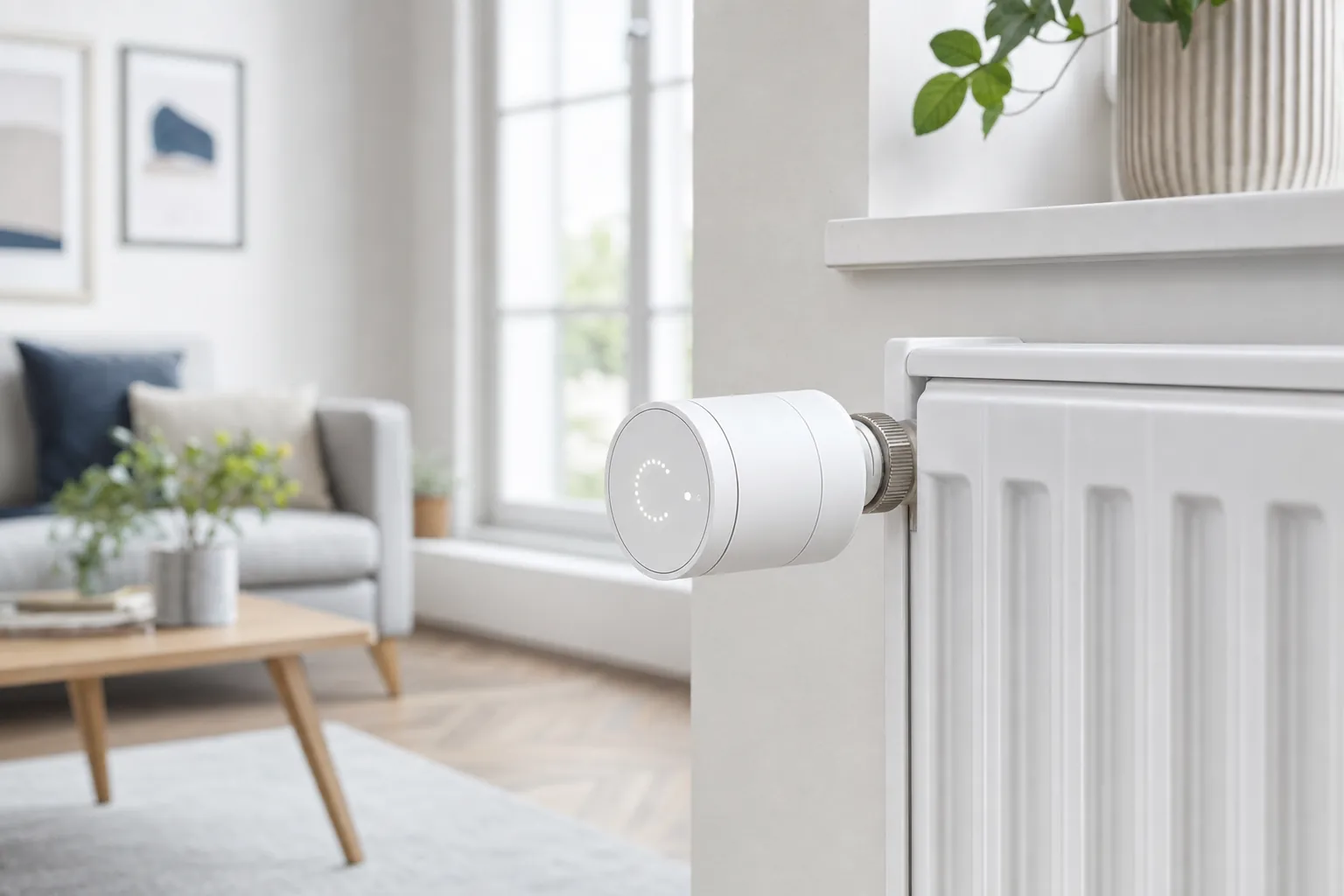
For New York area homeowners dealing with brutal winters and humid summers, a smart thermostat is one of the most practical investments you can make. These devices learn your schedule, adjust temperatures automatically, and can reduce your heating and cooling costs by 10-23% annually.
The Google Nest Thermostat and ecobee models are particularly beginner-friendly. They feature clear displays, straightforward installation instructions, and apps that make temperature control intuitive. Many utility companies in the New York area even offer rebates for smart thermostat installations, potentially covering half the device cost.
Installation is straightforward for most homeowners. The thermostat connects to your existing wiring (usually just five wires), and the apps provide step-by-step visual guides. If your current thermostat uses standard wiring, you can typically install a smart version yourself in under 30 minutes.
The real magic happens after setup. The thermostat learns when you’re typically home or away, adjusts temperatures accordingly, and sends alerts if it detects unusual temperature changes that might indicate a problem. You can also control it remotely, ensuring your home is comfortable when you arrive without wasting energy heating or cooling an empty space.
Smart Security Cameras and Doorbells
Security is a top priority for any homeowner or renter, and smart security devices have become incredibly accessible. Video doorbells and security cameras provide peace of mind without the cost and commitment of traditional security systems.
Video doorbells like the Ring Video Doorbell or Google Nest Doorbell are perfect starting points. They replace your existing doorbell, provide live video of your front entrance, and send alerts when someone approaches. You can see and speak to visitors from anywhere using your smartphone, perfect for accepting deliveries or screening guests.
For additional security, consider one or two indoor or outdoor cameras. Modern options offer crisp video quality, night vision, motion detection, and cloud storage for recordings. Battery-powered models require no wiring, making them ideal for renters or those hesitant about installation.
When positioning outdoor cameras, consider local weather conditions. Models designed for harsh climates perform better during New York winters, maintaining functionality even in freezing temperatures and heavy snow.
Smart Plugs and Power Strips
Beyond lighting, smart plugs excel at managing devices you want on schedules. Set your coffee maker to start brewing before you wake up, ensure your phone charger isn’t drawing phantom power all day, or remotely power cycle your router when connectivity issues arise.
Smart power strips take this concept further, providing multiple controllable outlets. They’re perfect for entertainment centers, allowing you to turn off all devices at once to eliminate standby power consumption, which according to energy experts, can account for 5-10% of household electricity use.
Building Your System Gradually
The beauty of modern smart home technology is that you don’t need to automate everything at once. Start with one or two devices that address your most pressing needs or interests. Maybe that’s a smart thermostat to reduce energy bills, or perhaps it’s smart lighting because you love the ambiance control.
As you become comfortable with these initial devices, gradually expand your system. Most smart home platforms make it easy to add new devices, and they’ll integrate automatically with your existing setup. This gradual approach spreads out the cost, prevents overwhelm, and ensures you’re investing in devices you’ll actually use.
Focus on compatibility when selecting devices. Stick with products that work with your chosen voice assistant ecosystem (Alexa, Google, or HomeKit). This ensures seamless integration and voice control across all your devices.
Essential Tips for Success
Secure your WiFi network before adding smart devices. Use a strong, unique password and enable WPA3 encryption if your router supports it. Many smart devices are only as secure as the network they’re connected to.
Keep device firmware updated. Most smart devices update automatically, but periodically check your apps to ensure you’re running the latest software. Updates often include security patches and new features.
Start with one ecosystem and stick with it initially. Mixing Amazon, Google, and Apple platforms from the start can create confusion. Master one system first, then expand if needed.
Take advantage of automation features once you’re comfortable with basic control. Set lights to turn on at sunset, have your thermostat adjust when you leave for work, or create morning routines that brew coffee and gradually brighten bedroom lights. These automations transform your smart devices from novelties into genuinely useful tools.
Conclusion
Starting your smart home journey in 2026 is easier and more affordable than ever. By beginning with fundamental devices like a voice assistant, smart lighting, a thermostat, basic security cameras, and a few smart plugs, you’ll create a foundation that makes daily life more convenient while reducing energy costs and improving home security.
Remember that the best smart home is one that serves your specific needs. There’s no pressure to automate every aspect of your living space. Choose devices that solve real problems or genuinely improve your daily routines. As you grow more comfortable with the technology, you’ll naturally discover new ways to enhance your home.
The investment you make today in beginner-friendly smart home devices will pay dividends in convenience, efficiency, and peace of mind for years to come. Start small, learn as you go, and enjoy the process of making your home work smarter for you.
A beginner checklist before buying more devices
The easiest first smart home is usually one room, one routine and one ecosystem. Start with a device that makes an everyday task easier, such as a lamp that turns on at sunset, a speaker that runs a morning routine or a thermostat schedule that matches workdays.
- Prefer plug-in, battery or screw-in devices first: they are easier to test and easier to take with you if you rent.
- Choose an ecosystem early: Alexa, Google Home and Apple Home can coexist, but a consistent first setup is easier to manage.
- Check the connection method: Wi-Fi devices may be simple for one room, while Matter or Thread can make sense only when the required controller is already in place.
- Use the one-room test: live with a small setup for a week before buying a houseful of devices.
- Plan for access and privacy: update device software, use strong account passwords and give each household member their own access where available.
For help choosing the control point first, compare Alexa and Google Home hubs. Renters can also start with reversible smart-home upgrades.