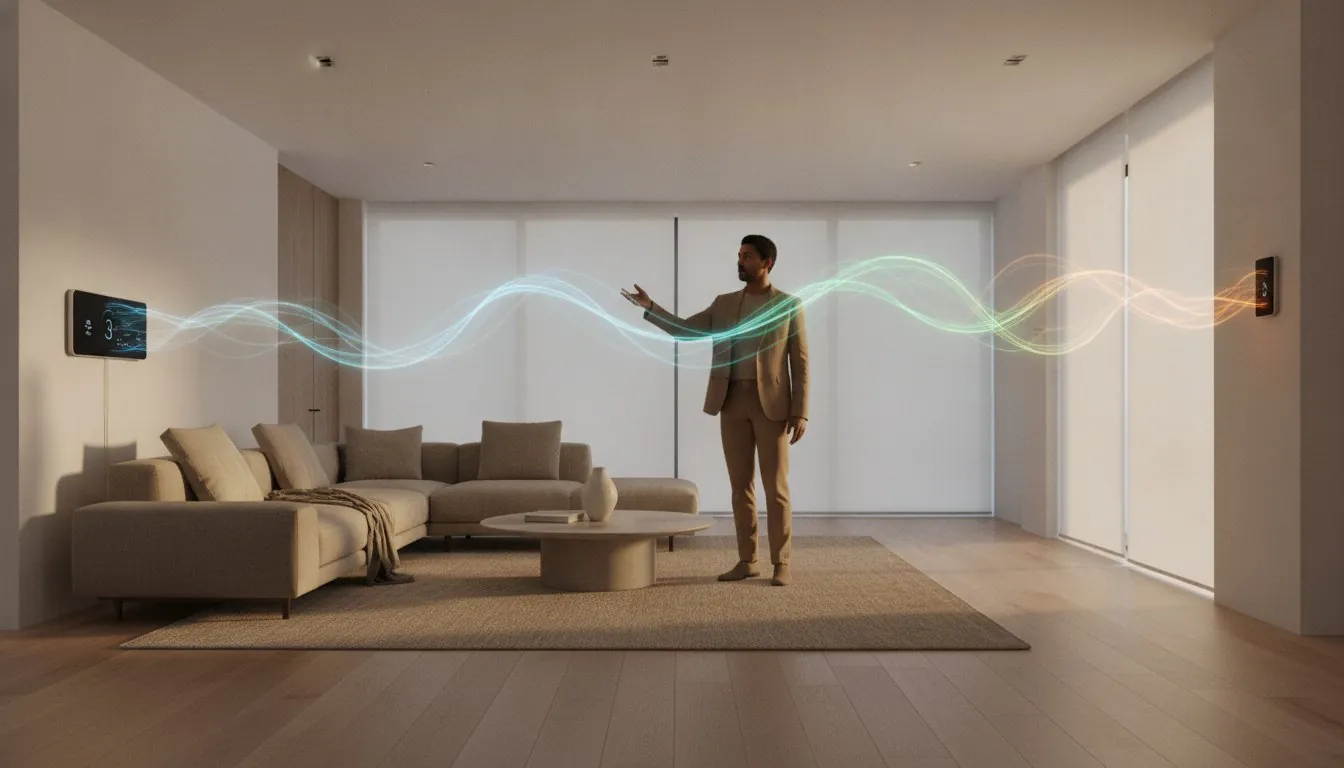
Imagine walking into your bedroom at night and needing to open three different apps just to dim the lights and set the thermostat. For many of the 51.4% of U.S. households owning smart devices, this “convenience” often feels like a frustrating part-time job. You’re likely tired of the app clutter and the constant worry that your next purchase won’t play nice with your existing setup. This smart home ecosystem comparison is designed to cut through the confusion of technical jargon like Zigbee and Matter 1.5. We believe your technology should serve you, not the other way around.
You deserve a home that understands your voice commands the first time and stays unified under a single, easy-to-use interface. We promise to help you build a future-proof savvy nest that eliminates friction and restores your peace of mind. We’ll explore the 2026 landscape of Alexa, Google Home, and Apple HomeKit, comparing everything from the latest Thread 1.4 requirements to the reality of rising subscription costs. You’ll discover which system fits your lifestyle best so you can stop managing your home and start enjoying it.
Key Takeaways
- Eliminate digital clutter by choosing a single “language” that allows your devices to communicate seamlessly through one central app.
- Use our smart home ecosystem comparison to weigh the massive device compatibility of Alexa against the AI-driven intelligence of Google Home and the privacy-first approach of Apple HomeKit.
- Learn how to perform a quick lifestyle audit to ensure your chosen system is easy enough for guests and children to use without a manual.
- Discover why the Matter and Thread protocols are the essential keys to building a future-proof home that won’t become obsolete by next year.
- Follow a simple three-step plan to transition from a collection of disconnected gadgets to a unified, voice-controlled savvy nest.
Table of Contents
- Understanding Smart Home Ecosystems: Why Your Choice Matters in 2026
- Comparing the Titans: Alexa vs. Google Home vs. Apple HomeKit
- Lifestyle Matchmaking: Which Ecosystem Fits Your Daily Routine?
- Breaking the Walls: How Matter and Thread Change the Comparison
- Building Your Savvy Nest: 3 Steps to Your First Ecosystem
Understanding Smart Home Ecosystems: Why Your Choice Matters in 2026
Think of a smart home ecosystem as the invisible foundation that allows your gadgets to communicate. It’s the “language” or framework that connects your smart bulbs to your motion sensors. Often called home automation or domotics, this system acts as the central brain of your living space. In 2026, choosing the right foundation is more critical than ever because new standards like Matter 1.5 and Thread 1.4 have finally started breaking down the old “walled gardens” that used to keep brands separate. This shift means your choice is no longer just about which brand you like, but how you want your daily life to flow.
To see how these systems perform in a real-world setting, watch this expert breakdown:
The “Language” Your Devices Speak
Your choice of ecosystem determines which devices can “talk” to each other. A smart home hub or a primary app serves as the universal translator. Without this shared language, your front door lock won’t know to turn on the hallway lights when you arrive. Having a primary “brain” makes it much easier to learn how to create smart home routines that actually simplify your life. It’s helpful to distinguish between a voice assistant like Alexa and the underlying ecosystem. While you might talk to a speaker, the ecosystem is the invisible network managing the security, energy, and comfort of your home. It’s the difference between the person giving the orders and the infrastructure that carries them out.
Avoiding the App Overload Trap
We’ve all been there. You want to dim the lights for a movie, but you have to scroll through phone folders to find the specific app for your kitchen bulbs, then another for the living room. This digital clutter is exactly what a thorough smart home ecosystem comparison helps you avoid. A unified system pulls every device into a single, savvy interface. Instead of manual intervention, your home begins to anticipate your needs. There’s a profound psychological benefit to a home that “just works.” When your security system arms itself automatically at 11 PM and your coffee starts brewing when your alarm goes off, the technology finally starts serving you. This seamless integration provides true peace of mind, letting you focus on your family instead of your firmware.
Comparing the Titans: Alexa vs. Google Home vs. Apple HomeKit
Choosing between the major players often feels like picking a side in a tech war, but a modern smart home ecosystem comparison shows that the “best” choice is the one that fits your existing habits. In 2026, the gap between these titans has narrowed thanks to AI-enhanced voice recognition and significantly faster response times across the board. Whether you prioritize having the widest range of gadgets, the smartest AI, or the most secure data, there’s a platform built for your specific needs.
Amazon Alexa: The Queen of Compatibility
Amazon Alexa remains the most accessible entry point for beginners. If you’re starting on a budget, you can grab an Echo Dot (5th Gen) for current retailer pricing or the more robust Echo Hub for current retailer pricing to act as your central command station. Alexa’s strength lies in its massive library of third-party “Skills” and its ability to work with almost any smart bulb or plug on the market. One of the most helpful updates in 2026 is how the system assists with smart home troubleshooting. Instead of cryptic error codes, Alexa now uses proactive voice prompts to help you reconnect a dropped camera or update a device’s firmware. This makes it a fantastic choice for those who want a system that helps manage itself.
Google Home: The Smartest Assistant
For those who live in Google Calendar and rely on the world’s best search engine, Google Home is the clear winner. Its AI has become incredibly conversational, allowing you to give complex, multi-step commands without repeating wake words. It integrates flawlessly with Nest products, such as the Google Nest Doorbell (battery) priced at current retailer pricing. Android users will find this the most frictionless setup because the system often recognizes new devices the moment they’re powered on. If you value a home that understands nuance and provides helpful daily briefings based on your real-time data, Google’s AI-driven intelligence is hard to beat. For a deeper look at lighting options that pair perfectly with this platform, explore our guide to the best smart lights that work with Google Home automation. You can find more detailed analysis in our latest smart device reviews.
Apple HomeKit: The Privacy-First Powerhouse
Lifestyle Matchmaking: Which Ecosystem Fits Your Daily Routine?
Finding the right fit in a smart home ecosystem comparison isn’t just about technical specs; it’s about how the system handles your Tuesday morning chaos. Start by looking at the phone in your pocket. If you’re an iPhone user 90% of the time, the integration of Apple HomeKit into your Control Center is a massive advantage. For Android enthusiasts, Google Home offers a similarly frictionless experience. You want a system that feels like a natural extension of the tools you already use every day.
Consider the “Family Test” before you commit. A savvy nest should be easy enough for a babysitter or a visiting grandparent to use without a 50-page manual. This often means choosing an ecosystem that supports physical smart switches alongside voice commands. Renters also have unique needs, often favoring Alexa because of its vast array of plug-and-play options. You can set up a Blink Mini 2 for just current retailer pricing or a Philips Wi-Fi Smart Deadbolt for current retailer pricing without permanent modifications. As your needs grow, these systems scale with you. You might start with one bulb and eventually manage a whole-house setup using the fact that Thread is an open, IP-based mesh networking protocol, which ensures your devices stay connected even if your main Wi-Fi struggles. To get the most out of your investment, it helps to understand which smart home devices that work together will give you the most seamless experience from the very first day of setup.
For the Hands-Off Household
If you want your home to work silently in the background, Google Home is your best bet. Its predictive AI is designed for “set it and forget it” families. By analyzing your habits, it can suggest routines like lowering the Nest Learning Thermostat when it senses you’ve left for work. This focus on convenience removes daily friction, letting you enjoy a comfortable environment without constantly checking an app.
For the Privacy-Conscious Family
Parents often gravitate toward Apple HomeKit for its “HomeKit Secure Video” feature. This ensures that footage from your nursery or front door is encrypted locally before it ever touches the cloud. There’s immense peace of mind in knowing your data isn’t being analyzed for advertising. For extra security, many HomeKit-compatible hubs include physical mute switches, giving you total control over when your home is listening.
For the Tech-Savvy Tinkerer
If you love to customize every detail, Alexa’s “Routines” offer surprising depth. You can trigger complex sequences based on everything from sound detection to your phone’s GPS location. For those who want even more control, platforms like Home Assistant can bridge multiple ecosystems, though they come with higher complexity. We always encourage beginners to start simple with a single ecosystem and grow into these advanced features as they become more comfortable with the tech.
Breaking the Walls: How Matter and Thread Change the Comparison
For years, the biggest hurdle to a seamless home was the fear of buying the “wrong” device. You might find a great deal on a security camera only to realize it doesn’t talk to your favorite voice assistant. In 2026, those barriers have largely crumbled. The maturation of the Matter protocol, currently at version 1.5, has turned the traditional smart home ecosystem comparison on its head. Instead of choosing a team and sticking to it for life, you can now build a home based on the best hardware regardless of the brand on the box. This shift moves the focus from compatibility to functionality.
Matter: The End of the Ecosystem War?
Matter acts as the “universal translator” the industry has needed for a decade. It allows an Amazon Echo Hub to control a Google Nest thermostat or an Apple HomePod mini to manage a set of IKEA smart bulbs. This interoperability means you can finally buy a device because it has the specific features you want. When you go shopping, the most important thing to look for is the Matter badge. We recommend starting with the best matter smart plugs to give your older lamps instant compatibility with any system. In 2026, the rule is simple: if it has the Matter logo, it’s a savvy choice that will work with Alexa, Google, and Apple simultaneously.
Why Thread is the Secret to Reliability
While Matter is the language, Thread is the highway. Traditional smart homes often struggled because too many devices crowded the 2.4GHz WiFi band, leading to lag and dropped connections. Thread 1.4 solves this by creating a low-power mesh network. Instead of every bulb talking directly to your router, they talk to each other. This creates a self-healing web that actually gets stronger as you add more gadgets. If one device goes offline, the rest simply find a new path to the hub. The emotional benefit is immediate. You’ll stop seeing the dreaded “device unresponsive” errors when you’re trying to turn off the lights and go to bed. This rock-solid reliability is why we emphasize Thread-enabled devices in our smart home buying guides. It ensures your savvy nest remains fast, responsive, and frustration-free.
Building Your Savvy Nest: 3 Steps to Your First Ecosystem
After reviewing our smart home ecosystem comparison, you might feel ready to dive in, but the key to success is starting small. Building a savvy nest isn’t about buying every gadget at once. It’s about creating a reliable foundation that grows with your needs. By following a methodical approach, you can avoid the app overload and technical friction that often plague beginners. Here are three actionable steps to get your home up and running with confidence.
Step 1: Audit Your Existing Technology
The easiest way to choose an ecosystem is to look at the devices you already own. If you carry an iPhone, you have a natural head start with Apple HomeKit. Your home controls are already baked into your Control Center, meaning you won’t need to hunt for an app to unlock your door. Android users will find a similar benefit with Google Home. This low-friction start ensures you aren’t fighting your hardware from day one. You want your technology to feel like a helpful assistant, not a complicated puzzle.
Step 2: Choose Your Primary Voice
Think about who you want to talk to when your hands are full in the kitchen. Do you prefer the conversational AI of Google, the vast compatibility of Alexa, or the privacy-first approach of Siri? This choice defines your daily experience. While Matter 1.5 allows these systems to work together, most families find it’s best to pick one primary voice assistant to avoid confusing guests or children. It’s much simpler when everyone knows exactly which name to call out to turn off the lights.
Step 3: Buy Your First Anchor Device
Your anchor device is the brain that stays home when you leave. For Alexa fans, the Echo Hub at current retailer pricing provides a dedicated touchscreen for the whole family to use. If you’re leaning toward Apple, a current retailer pricing HomePod mini is an affordable way to gain a Thread 1.4 border router for faster response times. Google users might start with a Nest Hub to manage their calendar and security cameras. Always check our smart home buying guide before making a major purchase to ensure your hardware is fully future-proof.
Expanding Your Setup with Confidence
Take Control of Your Smart Home Future
This smart home ecosystem comparison has shown that the “walled gardens” of the past are finally falling. With Matter 1.5 and Thread 1.4 becoming the industry standard, you now have the freedom to mix and match devices while maintaining a single, unified app to control them all. Whether you choose the massive compatibility of Alexa, the AI-driven intelligence of Google, or the ironclad privacy of HomeKit, the most important step is simply to start. You no longer need to fear making the “wrong” choice; you just need to pick the system that aligns with your daily habits.
Before you commit to specific hardware, check out SuggestMeTech for in-depth reviews and comparisons that help you find the best technology for your smart home setup.
Our team of smart home enthusiasts has spent years testing these platforms in real-world environments to provide you with practical advice and up-to-date 2026 compatibility data. We’ve done the heavy lifting of research so you can focus on the peace of mind that comes with a home that just works. Your technology should serve you, and with the right foundation, it finally will.
Start building your savvy nest with our 2026 Buying Guide
You’re now ready to transform your living space into a truly intelligent environment. Take it one step at a time, and enjoy the convenience of your new savvy nest!
Frequently Asked Questions
Do I need a hub for every smart home ecosystem?
Hubs aren’t strictly necessary for every individual device, but they remain the heart of a reliable setup. Most Matter-enabled devices in 2026 use Thread, which requires a border router like an Apple HomePod mini or Amazon Echo Hub. These devices act as the bridge between your gadgets and your home network. While you can start with just a few Wi-Fi bulbs and an app, adding a dedicated hub ensures your automations run smoothly even when your phone isn’t nearby.
Can I use Alexa and Google Home together in the same house?
You can absolutely use both systems under one roof. Thanks to the “multi-admin” feature introduced with Matter, a single smart plug can be controlled by Alexa on your kitchen speaker and Google Home on your smartphone simultaneously. This flexibility is perfect for households where family members have different phone preferences. It eliminates the need to choose just one side, allowing everyone to use the voice assistant they find most intuitive.
Is Apple HomeKit really more private than Google or Alexa?
Privacy is a core feature of the HomeKit experience. Unlike other platforms that often rely on cloud-based processing, Apple handles your data locally on your HomePod or Apple TV. This means your voice commands and camera footage stay within your walls. When conducting a smart home ecosystem comparison, HomeKit consistently wins for users who want to avoid their daily habits being tracked for targeted advertising or data profiling.
What happens to my smart home if the internet goes out?
Your home won’t stop functioning, but it will lose its “smart” edge. Local controls like physical light switches and Thread-based automations will continue to work perfectly. However, you’ll lose the ability to use voice commands or control your home while you’re away. Systems that prioritize local processing, like HomeKit or Matter-over-Thread setups, handle these outages much better than cloud-dependent devices that require a constant connection to function.
Are smart home ecosystems compatible with Matter devices in 2026?
Every major ecosystem is fully compatible with Matter in 2026. Amazon, Google, and Apple have all updated their hubs to support Matter 1.5, which includes advanced features like energy management and improved security. This universal compatibility is the most important part of a modern smart home ecosystem comparison. It means you can shop for the best hardware first and worry about which app you prefer to use later.
Which smart home ecosystem is best for a beginner on a budget?
Can I switch ecosystems later if I change my mind?
You can switch ecosystems without replacing your hardware if you buy Matter-certified devices. In the past, switching from Google to Apple often meant buying all new plugs and bulbs. Today, you can simply unpair your Matter device from one app and add it to another in seconds. This future-proof approach gives you the freedom to evolve your savvy nest as your technology needs or smartphone preferences change over time. If you’re building around Google’s platform, our roundup of the best smart lights that work with Google Home automation is a great place to start stocking your new setup.
Article by
Michael J. Mahon
I research and compare smart-home products for homeowners and renters, focusing on practical setup, compatibility, affordability, and everyday usefulness.