
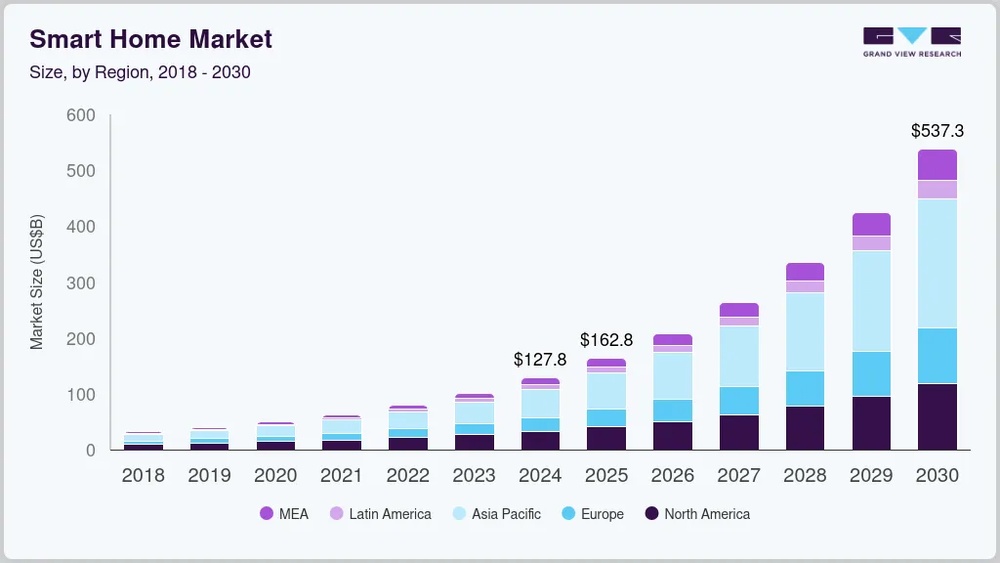
Smart homes are becoming more common. Many people use smart devices today. These devices help with daily tasks. They make life easier and more comfortable. But what will smart homes look like in the future? Let’s explore the trends that will shape smart home technology.
What Is Smart Home Technology?
Smart home technology means using devices that connect to the internet. These devices can talk to each other. They can also be controlled by smartphones or voice commands. Examples include smart lights, smart locks, and smart speakers. These tools help us control our homes easily.
:max_bytes(150000):strip_icc()/smart-home.asp-final-5de0da3d6d8a474f9028d26c957255fe.png)
Credit: www.investopedia.com
Why Are Smart Homes Important?
- They save energy.
- They improve security.
- They increase comfort.
- They help people with disabilities.
Smart homes can make life better for many people. Now, let’s see what the future holds.
1. More Devices Will Work Together
Today, some devices can connect. But in the future, many devices will work as a team. This means your smart lights, thermostat, and security cameras will talk to each other. They will share information to make your home smarter.
For example, if your security camera sees no one at home, the thermostat can lower the temperature. This saves energy and money. All devices will be part of one big system.
2. Smarter Voice Assistants
Voice assistants like Alexa or Google Assistant are common now. In the future, they will be smarter. They will understand you better and answer more questions. They will also learn your habits to help you more.
Imagine asking your assistant to prepare your home for a party. It can turn on the lights, play music, and adjust the temperature all at once. It will be like talking to a real helper.
3. Better Home Security
Security is very important. Smart home security will become more advanced. Cameras will recognize faces. They can tell the difference between family and strangers. This helps avoid false alarms.
Also, smart locks will get better. You won’t need keys anymore. You can open doors with your phone or even your fingerprint. Some locks may use your face for extra safety.
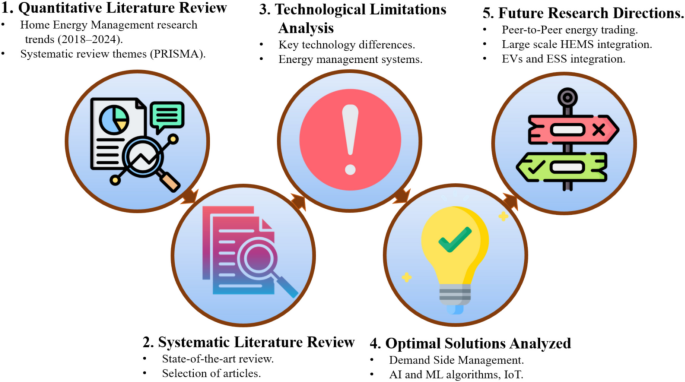
4. Energy Efficiency Will Improve
Saving energy helps the planet and lowers bills. Future smart homes will be very good at this. Devices will learn when you use energy most. They will turn off things when you don’t need them.
For example, smart windows can change their tint to block sunlight. This keeps your home cool in summer and warm in winter. Smart appliances will also use less energy.
5. More Use of Artificial Intelligence (AI)
AI means machines can think and learn. In smart homes, AI will help devices understand your needs. It will learn your schedule and preferences. Then, it will make your home adjust automatically.
For example, AI can learn when you wake up and turn on the coffee maker. Or it can notice if you like dim lights in the evening and set them automatically. AI makes smart homes more personal.
6. Health Monitoring at Home
Smart homes will help with health too. Devices can check your heart rate or breathing while you rest. They can remind you to take medicine or drink water.
This is very helpful for elderly people or those with health problems. The home can send alerts to family or doctors if there is a problem. This way, help can come fast.
7. More Affordable Devices
Smart home devices are getting cheaper. In the future, more people will afford them. This means smart homes won’t be only for rich people. Everyone can enjoy the benefits of smart technology.
With more affordable devices, more homes will be connected. This will help people save money and live better.
8. Improved Privacy and Security
More smart devices mean more data collected. Some people worry about privacy. In the future, companies will work hard to protect your data. They will create better rules and tools to keep your information safe.
You will have more control over what your devices share. This is important to keep your home and data secure.
Credit: link.springer.com
9. Integration with Smart Cities
Smart homes will not work alone. They will connect with smart cities. This means your home can talk to city systems like traffic lights, energy grids, and emergency services.
For example, your home can adjust energy use when the city has less power. Or it can send alerts if there is a problem in your area. This connection will make living in cities safer and easier.
10. Use of Augmented Reality (AR)
Augmented Reality means adding digital images to the real world. In the future, AR may help you control your smart home. You can wear special glasses or use your phone to see and control devices around your home.
For example, you can point your phone at a light and see options to turn it on or off. This makes managing your home fun and easy.
Summary Table: Future Smart Home Trends
| Trend | Description | Benefit |
|---|---|---|
| Device Cooperation | Devices work together as one system. | More convenience and energy savings. |
| Smarter Voice Assistants | Better understanding and learning your habits. | Easier control and personalized help. |
| Advanced Security | Face recognition and keyless locks. | Better protection for your home. |
| Energy Efficiency | Devices learn and save energy automatically. | Lower bills and help the environment. |
| Artificial Intelligence | Devices learn your needs and adjust themselves. | More comfort and personalization. |
| Health Monitoring | Check health and send alerts if needed. | Better care and peace of mind. |
| Affordable Devices | Lower prices for smart home gadgets. | More people can benefit from smart homes. |
| Privacy Protection | Better data security and user control. | Safer and more trusted smart homes. |
| Smart City Integration | Homes connect with city systems. | Improved living and safety in cities. |
| Augmented Reality Control | Use AR to manage home devices. | More fun and easy control. |
Final Thoughts
Smart home technology is growing fast. The future will bring many new features. Homes will be smarter, safer, and more helpful. They will save energy and care for your health. Smart homes will be easy to use and more common.
Even if you don’t use smart devices now, it is good to know what comes next. This helps you prepare for a more connected home and life. The future of smart homes looks bright and full of useful tools.
Keep an eye on these trends. They will shape how we live in the coming years. Smart homes will make life simpler and more comfortable for everyone.
Frequently Asked Questions
What Are The Latest Smart Home Technology Trends?
Smart homes now use AI to learn your habits and save energy. Voice control and automation are also growing fast.
How Will Smart Homes Improve Energy Efficiency?
Smart devices adjust lighting and temperature based on your schedule. This reduces waste and lowers electricity bills.
Can Smart Homes Increase Home Security?
Yes, smart cameras and sensors alert you instantly about unusual activity. Remote monitoring keeps your home safer.
What Role Does Ai Play In Future Smart Homes?
AI helps devices learn your preferences and act without commands. It makes homes more responsive and convenient.