
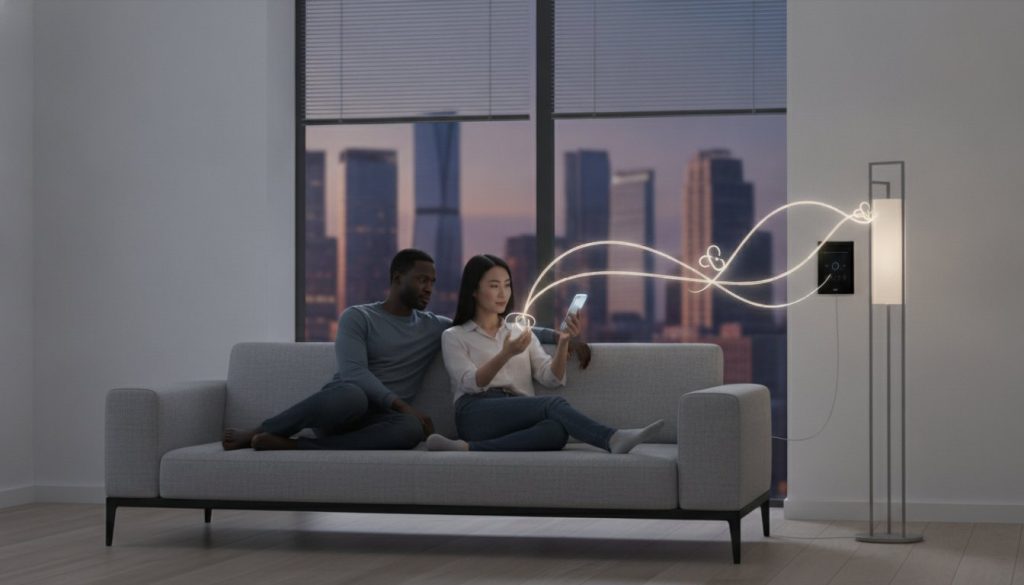
What if you could finally stop acting as a part-time IT technician for your own living room? It’s a common frustration. You’ve likely spent hours trying to get a new lightbulb to talk to an old hub, only to end up with a phone full of single-use apps and a confusing mix of Zigbee or Z-Wave protocols. You want a home that works for you, not a tech hobby that demands constant troubleshooting and the fear of buying gadgets that will be obsolete by next season.
This guide changes that. We’ll show you how the Matter 1.6 standard has finally united the biggest names in tech to make your life simpler. You’ll discover how to choose the best matter compatible devices that offer faster response times and a truly future-proofed setup. By the time you’re done reading, you’ll know exactly how to build a unified system you can control with a single app.
We’ve done the heavy lifting to filter through the noise. From understanding the latest 2026 energy management features to picking the right Thread-enabled gear for your rental or permanent home, we’ve curated everything you need to create a stress-free smart home.
Key Takeaways
- Understand how Matter creates a universal language between Apple, Google, and Amazon, ending the frustration of app-locked gadgets for good.
- Learn why Thread technology and local control provide faster response times and better reliability by keeping your data off the cloud.
- Discover how to identify the best matter compatible devices for your specific needs by recognizing the “tri-loop” logo and selecting the right controller.
- Explore the Multi-Admin feature, which allows different family members to use their preferred apps to control the same smart home gear simultaneously.
- Find a savvy path to upgrading your home that protects your budget by identifying which existing hubs can be updated rather than replaced.
What Are Matter Smart Home Devices? The New Standard Explained
Imagine standing in a store aisle, looking at a smart lightbulb. In the past, you’d have to scan the box for specific logos: “Works with Alexa,” “Works with Google Home,” or “Works with Apple HomeKit.” If you bought the wrong one, it simply wouldn’t talk to your other gadgets. Matter changes this dynamic entirely. It acts as a universal seal of approval that ensures your devices speak the same language, regardless of the brand on the box.
Think of it as the “USB-C” of the smart home world. Just as one cable now charges your phone, tablet, and laptop, the Matter smart home standard allows one device to connect to any major smart home platform. This isn’t just about convenience. It’s about making sure the best matter compatible devices you buy today will actually work with the tech you buy five years from now.
To better understand how this technology bridges the gap between different brands, watch this helpful video:
The End of Ecosystem Lock-In
We’ve all felt the pressure to choose a side. Maybe you started with an Android phone and felt forced to build a “Google House.” Or perhaps you’re an iPhone user who felt limited to specific, often more expensive, gear. Matter shatters these walls. You can now mix and match hardware based on quality and price rather than software compatibility. It gives you the freedom to buy the best hardware regardless of which phone you carry in your pocket.
One of the most empowering features of this standard is “Multi-Admin” control. This allows a single smart plug or thermostat to be controlled by multiple apps at the same time. If you prefer using Siri but your partner likes the Google Home app, you can both manage the same device without any conflict. This flexibility makes finding the best matter compatible devices a much more rewarding experience because you’re no longer restricted by a single brand’s catalog.
Who is Behind the Matter Movement?
Matter isn’t just a niche project; it’s backed by the heavyweights of the industry. It was developed by the Connectivity Standards Alliance (CSA), a group that includes giants like Apple, Google, Amazon, and Samsung. When these competitors agree on a single standard, you know it’s built to last. It removes the fear of buying into a technology that might disappear next year.
Today, over 500 companies are part of this movement, including household names like IKEA and Samsung. The CSA manages the certification process, ensuring every product with the Matter logo meets strict security and performance requirements. This massive industry backing means that by 2026, Matter has become the foundation of the modern smart home. It offers a layer of reliability that was missing in the early days of home automation, giving you the peace of mind that your investment is secure.
How Matter Changes Everything: Interoperability and Speed
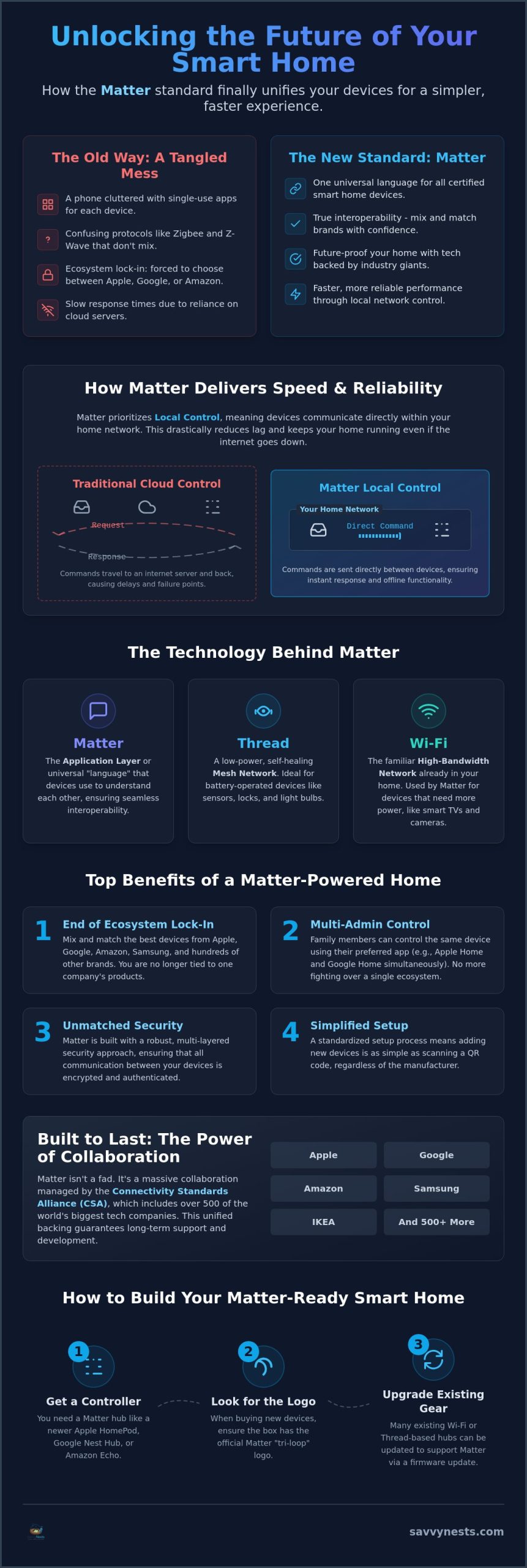
Most people think smart homes require a lightning-fast internet connection to function. While a solid connection helps, Matter shifts the heavy lifting away from the cloud and back into your living room. It operates using two main pathways: your existing Wi-Fi for high-power devices like cameras, and a newer technology called Thread for smaller gadgets. This hybrid approach is exactly why the best matter compatible devices feel so much more reliable than the tech we used just a few years ago.
The real magic happens through local control. Local control acts as the essential foundation for instant device response by letting your gadgets communicate directly within your four walls. This local-first approach means your morning routines will still trigger and your lights will still turn on even if your internet provider has an outage. By following the standards set by the Connectivity Standards Alliance, manufacturers ensure your home stays functional regardless of what happens with the outside web.
Matter vs. Thread: What Is the Difference?
It’s easy to get these two terms confused, but a simple analogy helps clear the fog. Think of Matter as the language your devices speak and Thread as the invisible wire they use to talk to each other. While Wi-Fi is great for streaming high-definition video, Thread is far superior to older protocols like Zigbee for battery-powered devices. It uses very little energy, which means your smart locks and motion sensors can last months longer on a single charge. If you’re just starting your journey, learning how to automate your home becomes much easier when you don’t have to worry about devices constantly dropping off the network.
Local Processing for Instant Results
Have you ever walked into a room, triggered a motion sensor, and waited two seconds for the light to actually turn on? That frustrating lag usually happens because the signal has to travel to a cloud server and back. Matter eliminates this delay by processing commands locally within your own home network. This speed makes your home feel truly “smart” rather than just “connected.”
Beyond speed, there is a massive privacy benefit to this setup. Since your data doesn’t need to leave your house to turn off a plug, you have much more control over your personal information. This local-first design also reduces the stress of troubleshooting. You’ll spend less time rebooting routers and more time enjoying your space. If you’re ready to start picking out gear, our smart home buying guides can help you find the most reliable options for your specific layout.
The Top Benefits of Switching to Matter-Compatible Tech
Switching to a Matter-based home isn’t just about chasing the latest specs; it’s about reclaiming your time and peace of mind. We’ve all experienced the frustration of a “smart” device that refuses to connect or requires a specific hub you don’t own. Matter removes this friction. When you choose the best matter compatible devices, you’re investing in a home that feels intuitive rather than demanding. This explanation from Wired highlights how the standard aims to end the era of closed ecosystems, putting the user back in control.
The most immediate benefit you’ll notice is the simplified setup. Gone are the days of pressing tiny reset buttons with a paperclip or hunting for hidden pairing modes. Most Matter gear features a simple QR code on the back. You scan it with your phone, and the device is added to your preferred app in seconds. It’s a welcoming experience for beginners and a massive time-saver for enthusiasts who manage dozens of gadgets. This “it just works” approach is a central pillar of the 2026 smart home experience.
The Multi-Admin Revolution
Households are rarely “one-brand” zones. You might love your iPhone, while your partner prefers an Android tablet or a Google Nest Hub. In the past, this caused a digital divide where only one person could easily control the lights or the thermostat. Matter’s Multi-Admin feature solves this by allowing devices to connect to multiple platforms simultaneously. You can share control with family members without ever sharing your main account passwords or personal credentials. It’s a savvy way to ensure everyone in the house feels empowered to manage their environment, whether they use Siri, Alexa, or Google Assistant.
A Higher Bar for Smart Home Security
Privacy is a top priority for anyone adding cameras or sensors to their living space. Matter uses a “Security by Design” approach that sets a much higher bar for the industry. Every certified device must use modern, proven encryption standards to protect your data. To prevent counterfeit or “hacked” hardware from entering your network, Matter uses a blockchain-style ledger to verify device authenticity. This ensures that only genuine, certified products can join your secure home network. It provides a reassuring layer of protection that lets you enjoy the convenience of automation without worrying about unauthorized access. When you look for the best matter compatible devices, you’re also looking for a safer, more private lifestyle.
Finally, there is the benefit of future-proofing. Technology moves fast, and the fear of buying something that will be obsolete in two years is real. Because Matter is backed by the world’s largest tech companies, the devices you buy today are designed to work with the controllers and hubs of tomorrow. It’s a long-term investment that ensures your smart home grows with you, rather than becoming a collection of expensive paperweights.
How to Build a Matter-Ready Smart Home in 2026
Building a smart home in 2026 is no longer about complex wiring or hiring expensive consultants. The process has become a logical, step-by-step journey that anyone can master. By following a clear sequence, you can avoid the “tech overwhelm” that used to plague early adopters. Your goal is to create a system that serves your lifestyle, and that starts with a solid foundation. Follow this simple checklist to get started:
- Step 1: Choose your primary Matter Controller. This is the “brain” that manages your network.
- Step 2: Look for the distinctive Matter “tri-loop” logo. This symbol on product packaging is your guarantee of compatibility.
- Step 3: Ensure your network has a Thread Border Router. This ensures your battery-powered devices have a fast, reliable path to the internet.
- Step 4: Use the Savvy Filter. Prioritize the best matter compatible devices that solve your specific daily frustrations, like lights that won’t dim or locks that jam.
- Step 5: Consult a professional resource. Follow our smart home buying guide for specific brand recommendations tailored to your budget.
Choosing Your Matter Controller
The Controller is the essential hub that allows you to talk to your devices. In 2026, you probably already own one without realizing it. Many modern smart speakers, like the newer Echo models or the HomePod, act as built-in Controllers. Before buying new gear, check your existing hub for a Matter update in the manufacturer’s app. A functional Controller should be plugged into a permanent power source and have a stable connection to your home router. It acts as the bridge that lets your phone, voice assistant, and automated routines work together in perfect harmony.
Identifying Matter-Ready Hardware
When you’re shopping, look for the Matter logo on both the physical box and the digital listing. However, don’t confuse “Matter Support” with “Matter Certification.” Certified products have undergone rigorous testing to ensure they meet the standard’s full promise of speed and security. For those who move frequently, Matter is a total win. You can invest in Matter-compatible no-trace devices like smart plugs or adhesive sensors. These gadgets allow you to build a high-end ecosystem that packs up into a single box when your lease is up. By selecting the best matter compatible devices for your specific living situation, you ensure your tech investment stays valuable for years to come.
Savvy Selection: Is Matter Worth the Upgrade Right Now?
Deciding whether to upgrade your entire smart home can feel like a daunting task. You might worry that your existing setup is about to become obsolete. The good news is that you don’t need to throw away your old tech to start benefiting from the new standard. Many of the hubs you already use have received automatic updates that make them Matter-compatible. If your current system feels clunky or unreliable, start by checking your existing apps for firmware updates. If things still aren’t working smoothly, our troubleshooting guide can help you identify and fix common connectivity issues.
For any new purchases, prioritizing Matter is a savvy move for long-term compatibility. This is especially true for “mixed-ecosystem” households where family members use both iPhone and Android devices. By choosing the best matter compatible devices for your future upgrades, you ensure that everyone in the house stays connected and in control. You’re building a home that adapts to your needs, rather than forcing you to adapt to a specific brand’s limitations.
Bridging the Gap: Matter Bridges for Older Tech
Many popular brands like Philips Hue and Aqara have released Matter bridges to help users transition. Matter bridges are the “translators” for your legacy gear. They allow older Zigbee bulbs or sensors to talk to a Matter network without being replaced. From a cost perspective, buying a single bridge is often much smarter than replacing dozens of individual devices. It’s a practical way to bring your high-quality older hardware into the modern age without breaking the bank. This bridge approach lets you keep the reliability of your existing gear while gaining the interoperability of the new standard.
The Savvy Verdict for 2026
By mid-2026, Matter is no longer an “early adopter” experiment; it’s the new industry baseline. It has moved from being a tech-enthusiast’s dream to a practical reality for every homeowner and renter. The best matter compatible devices are now the standard for anyone who values a peaceful, frictionless living environment. Focus on buying gear that solves your specific daily pains, whether that’s a door that locks itself or lights that wake you up gently. Technology should serve you, not the other way around. Build a system that gives you peace of mind and more time to enjoy your home.
Ready to Build Your Seamless Smart Home?
The transition to Matter in 2026 marks the end of the “ecosystem wars” and the beginning of a truly user-centric smart home. You’ve learned how this universal standard simplifies setup and removes the frustration of app-locked gadgets that once dominated the market. By prioritizing local control and Thread connectivity, you’re not just buying new tech; you’re investing in a faster, more secure lifestyle that keeps your data within your own four walls.
Creating a home that serves you shouldn’t feel like a second job. Finding the best matter compatible devices is now a straightforward process of looking for the right logo and choosing gear that fits your specific needs. Our expert-curated smart home guides are designed to help you navigate these choices with confidence. We rely on real-world testing for everyday users to provide helpful, jargon-free advice that takes the guesswork out of your next upgrade.
You’re now equipped with the knowledge to build a future-proofed environment that works for everyone in your household. Take that first step today and experience the peace of mind that comes with a perfectly synced, savvy home. You’ve done the research, and now it’s time to enjoy the convenience of a home that finally speaks your language.
Frequently Asked Questions
Do I need a new hub for Matter smart home devices?
You may not need a new hub if you already own a modern smart speaker or display. Many devices like the Apple HomePod or Amazon Echo have been updated to act as Matter Controllers. You simply need at least one device on your network that can bridge the communication between your phone and your smart gadgets.
Can I use Matter devices with Alexa and Apple HomeKit at the same time?
Yes, you can control your devices across multiple platforms simultaneously thanks to a feature called Multi-Admin. This means one person can use an iPhone with Apple Home while another uses an Android device with the Alexa app. It’s the perfect solution for households that don’t want to be locked into a single brand’s ecosystem.
Will my old smart home devices work with Matter?
Your older devices won’t automatically become Matter-ready, but they don’t have to be replaced. You can use a Matter bridge to bring legacy Zigbee or Z-Wave products into the new standard. This is a savvy way to keep your existing hardware while enjoying the benefits of the latest smart home technology.
Is Matter better than Zigbee or Z-Wave?
Matter isn’t exactly “better” than Zigbee or Z-Wave; it’s a different layer of technology that often uses Thread to achieve superior results. While Zigbee is a communication protocol, Matter is the language devices use to talk. It provides faster response times and better reliability, making it the industry baseline for the best matter compatible devices in 2026.
Do Matter devices require an internet connection to work?
No, Matter devices don’t require an active internet connection for daily operations. Commands are processed locally within your home network rather than being sent to a cloud server. This local-first approach ensures your routines still work and your lights still turn on even if your internet service goes down.
What is a Thread Border Router and do I need one for Matter?
A Thread Border Router is a device that connects your low-power Thread network to your home’s Wi-Fi or Ethernet. You do need one if you want to use Thread-based Matter devices, but the good news is that many modern hubs and speakers already have this functionality built-in. It ensures a stable, fast connection for battery-operated sensors and locks.
Are Matter smart home devices more secure than older Wi-Fi devices?
Yes, Matter devices are significantly more secure because they must meet strict encryption and authentication standards to be certified. Every device uses a unique digital certificate to prove it’s a genuine product. This “Security by Design” approach protects your privacy and prevents unauthorized hardware from joining your network.
How do I know if a smart device is Matter-compatible before I buy it?
You can easily identify compatible hardware by looking for the distinctive “tri-loop” Matter logo on the product packaging or digital listing. For the best matter compatible devices, always verify that the product is “Certified” rather than just “Supporting” the standard. This ensures you get the full benefits of speed, security, and interoperability.

Article by
Michael J. Mahon
I research and compare smart-home products for homeowners and renters, focusing on practical setup, compatibility, affordability, and everyday usefulness.