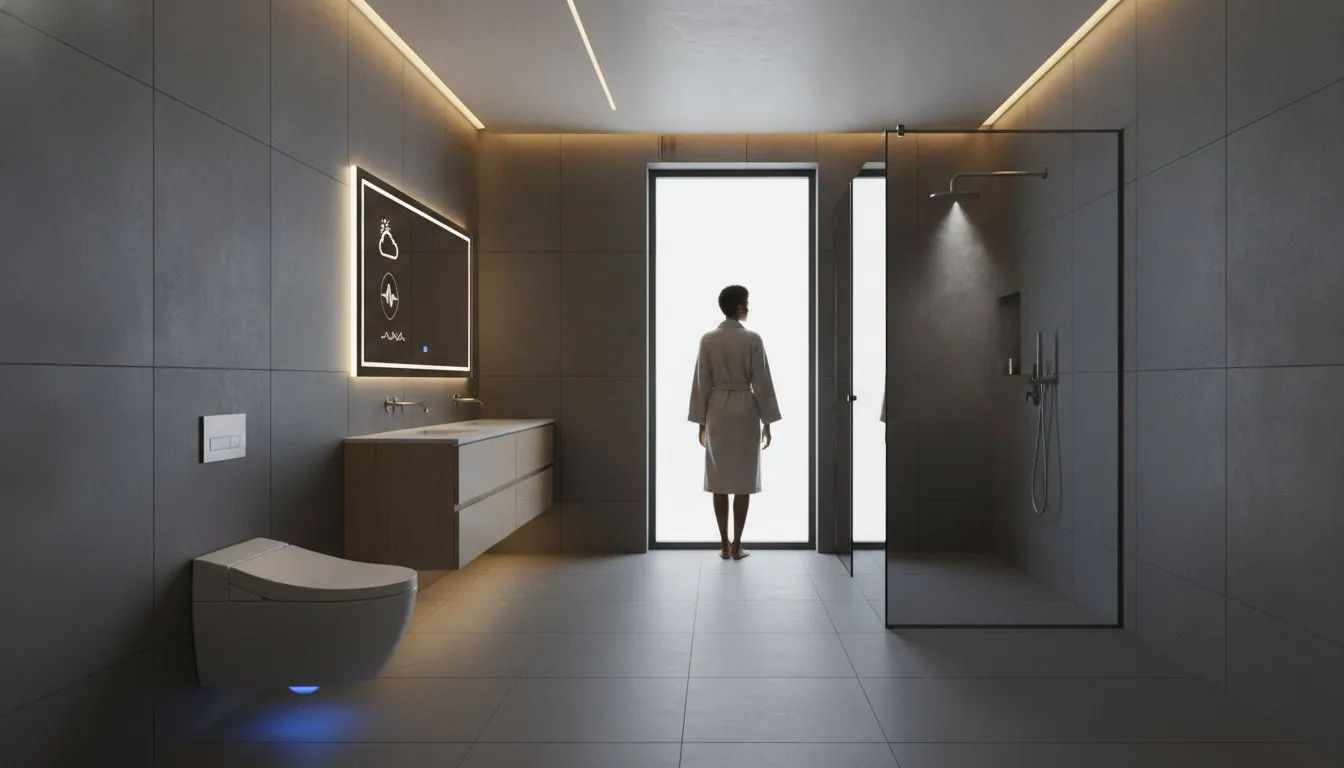
Did you know that the national average for a bathroom remodel in 2026 has climbed to current retailer pricing? With investment costs rising, homeowners are rightfully looking for more than just aesthetic upgrades; they want a space that actively improves their daily wellness. It’s completely normal to feel a bit hesitant about smart bathroom technology 2026. You might worry about complicated installs leading to water damage or feel uneasy about microphones and cameras in such a private space. You want a modern home that works with Alexa or Google Home, but you don’t want a system that’s too complex to manage.
We’ve done the heavy lifting to filter out the gimmicks and find the tech that truly serves you. This guide promises to show you how the latest 2026 innovations can transform your morning routine into a seamless, spa-like experience while actually reducing your water and energy bills. We’ll walk you through the most reliable Matter-compatible fixtures, privacy-first sensors, and the best ways to boost your home value without the technical overwhelm. Get ready to turn your bathroom into a stress-free sanctuary that values practicality over high-end complexity.
Key Takeaways
- Learn how smart bathroom technology 2026 has evolved from standalone gadgets into unified home ecosystems that prioritize both your comfort and conservation.
- Discover the core pillars of a high-tech bathroom, including how biometric sensors and water-saving tech can reduce utility bills while boosting your daily wellness.
- Identify the must-have upgrades for 2026, from voice-activated showers with precise temperature control to self-cleaning intelligent toilets with UV light.
- Find out how to implement these upgrades regardless of your living situation, with specific “no-trace” solutions for renters and high-value investments for homeowners.
- Master the practical side of setup by learning how to secure your network and choose privacy-first devices that keep your home data safe.
Table of Contents
What is Smart Bathroom Technology in 2026?
Smart bathroom technology 2026 isn’t just about a toilet that opens its lid when you walk in. It’s a series of integrated fixtures and sensors designed to automate your hygiene, comfort, and water conservation. Instead of a collection of gadgets, it’s now a core part of your home automation system. You’re looking at a shift from “cool to have” to “essential for wellness,” where your bathroom actually anticipates your needs before you even turn on the tap.
Accessibility is the big story here. Prices for smart valves and moisture sensors have dropped significantly since 2024, making these upgrades much more approachable for the average household. If you’re feeling overwhelmed by the options, our smart home buying guide is a great place to start mapping out your space without getting bogged down in technical jargon. We help you focus on what works, so you don’t waste money on features you’ll never use.
To better understand how these modern upgrades look in practice, watch this helpful review of the latest smart mirrors:
The Impact of the Matter Standard
Matter is the glue holding it all together. Before 2026, you might have needed one app for your Kohler shower and another for your Moen faucet. Now, these brands finally talk to each other. It’s the year of compatibility. You can manage everything from a single hub, which removes the friction of switching between ten different apps just to get ready in the morning. This unified approach makes your smart bathroom technology 2026 feel like a natural extension of your home rather than a confusing tech project.
From Luxury Gimmick to Daily Utility
We’ve moved past the gimmick phase. Voice-activated faucets aren’t just for showing off; they provide critical accessibility for those with limited mobility or messy hands. We’re also seeing a rise in “invisible tech.” This includes floor sensors that detect leaks before they ruin your ceiling and hidden speakers that blend into the vanity. These tools solve real-world problems like high water bills and safety concerns. 2026 smart bathrooms are interconnected ecosystems focused on wellness.
The Core Pillars of a High-Tech Bathroom
Building a modern bathroom isn’t just about picking the right tiles anymore. It’s about creating a foundation that supports your daily lifestyle. In 2026, the most effective implementations of smart bathroom technology 2026 rest on four core pillars: conservation, wellness, safety, and customization. These aren’t just luxury buzzwords. They represent practical solutions that save you money and keep your family healthy.
Conservation is perhaps the most immediate benefit. Verified data shows that toilets can account for about 30% of a household’s water usage. Smart systems target this waste directly through precision flushing and flow monitoring. Beyond water, safety has become a major focus. Proactive monitoring through floor sensors can detect microscopic leaks or even slip-and-fall incidents, sending alerts to your phone before a small puddle becomes a major flood or a medical emergency. You can also customize your environment with “scenes.” These presets adjust the lighting and temperature automatically, helping you transition from a bright, energizing morning routine to a dim, relaxing evening soak.
Water and Energy Efficiency
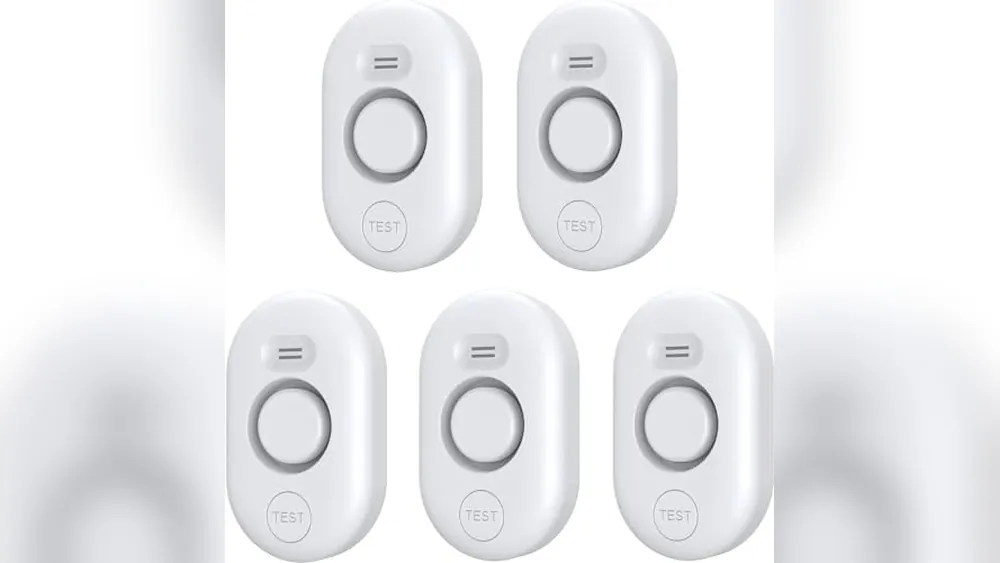
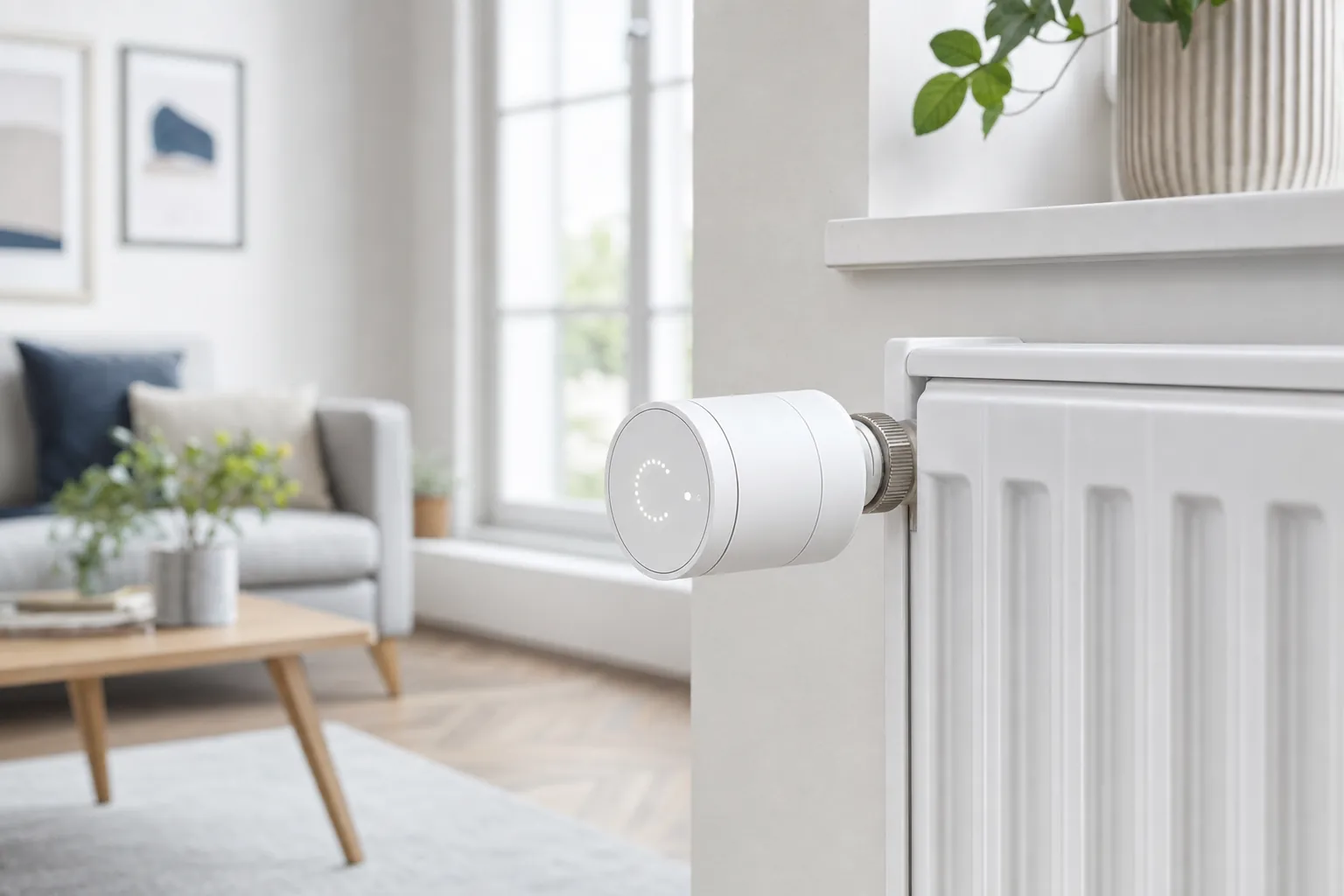
Efficiency is no longer just about low-flow showerheads. Modern smart leak detectors can now shut off your main water valve automatically if they sense a burst pipe. This prevents catastrophic water damage while you’re away. Digital thermostatic valves are another game-changer. They ensure your shower reaches the exact temperature you want instantly, which stops you from wasting gallons of water while waiting for the “warm-up.” For energy savings, smart lighting systems now follow your circadian rhythm, slowly brightening in the morning and softening at night to save power and help you sleep better.
Health and Hygiene Innovations
Wellness tech has moved from your wrist to your bathroom fixtures. Intelligent toilets can now perform basic urinalysis and hydration tracking, giving you a daily snapshot of your health. Touchless technology has also become the new standard for hygiene. Faucets and soap dispensers that don’t require physical contact reduce the spread of germs significantly. We’re also seeing mirrors that provide dental care feedback and track skin health over time. As you integrate these sensors, it’s vital to prioritize IoT device privacy and security to ensure your health data remains protected. If you’re ready to start building your own setup, take a look at our detailed buying guides for specific product recommendations.
Must-Have Smart Bathroom Gadgets for 2026
Selecting the right devices is the most exciting part of your renovation journey. In 2026, the market is no longer flooded with experimental prototypes; instead, we have refined, reliable tools that genuinely improve your quality of life. When you’re browsing for smart bathroom technology 2026, you’ll find that the best gadgets focus on “frictionless” living. They don’t just add a screen to your wall; they remove the small annoyances that clutter your morning, like waiting for water to warm up or fumbling for a light switch in the dark.
Beyond the major fixtures, don’t overlook the smaller integrations that tie the room together. High-tech mirrors, ranging from current retailer pricing to current retailer pricing now feature integrated displays for weather and news, alongside “task lighting” that mimics different environments. Smart scales have also evolved, syncing your body composition data directly to your central hub so you can track wellness trends over months rather than days. As you plan these installs, it’s a savvy move to consider the legal issues of smart home technology, especially if you’re working with contractors who need to meet specific builder standards and liability requirements.
The Intelligent Throne: Smart Toilets
Digital Faucets and Voice-Controlled Showers
Imagine setting a precise “102-degree shower” from your phone before you even roll out of bed. Digital thermostatic valves make this possible, ensuring you never step into a freezing or scalding stream again. These systems are incredible for conservation, too. Digital faucets can reduce water usage by up to 30% by controlling flow and temperature more efficiently than manual handles. To get the most out of these gadgets, learn how to create smart home routines. You can program your bathroom to dim the lights, start the shower, and play your favorite podcast the moment your alarm goes off, creating a truly seamless start to your day.
Implementation Guide: Renters vs. Homeowners
Deciding how to upgrade your space depends entirely on who holds the deed. While most industry advice focuses on full-scale renovations, we know that roughly 35% of the population who rent need a different approach. Implementing smart bathroom technology 2026 doesn’t have to mean tearing down walls or hiring a master plumber. You can start small with battery-powered sensors or go all-in with integrated fixtures that require dedicated wiring. The key is to assess your space and determine what can be easily swapped versus what requires permanent changes.
Budgeting for these upgrades is a personal choice. You can build a highly functional setup for under current retailer pricing using standalone sensors and smart bulbs. Alternatively, a premium, fully integrated environment can reach several thousand dollars. If you’re a renter, your focus should be on “no-trace” technology that you can pack up and take with you when your lease ends. For more specific product picks, consult our smart home devices for renters guide to build a setup that won’t risk your security deposit.
No-Trace Upgrades for Renters
You don’t need a landlord’s permission to improve your daily routine. Many smart showerheads today screw on in seconds, replacing your existing fixture without any permanent plumbing work. Plug-in smart mirrors and battery-powered leak sensors are also fantastic options because they require zero wiring. For lighting, use adhesive-mounted motion sensors. These allow your lights to turn on automatically when you walk in at night, and you can peel them off without leaving a mark on the wall when it’s time to move.
Future-Proofing Your Bathroom Remodel
If you own your home, you have the freedom to build for the long term. Future-proofing is all about the infrastructure you can’t see. When you remodel, run power lines near the toilet for an intelligent throne and behind the vanity for a smart mirror. This avoids the need for battery changes later. We recommend choosing “Matter-over-Thread” devices. This protocol offers the fastest, most reliable connection without clogging your Wi-Fi network. You can even connect these sensors to your diy home security systems to monitor for water leaks or unauthorized entry. If you’re ready to start shopping for these components, check out our expert-led buying guides for the best 2026 recommendations.
Overcoming the Challenges: Privacy, Security, and Setup
You’ve picked out the perfect fixtures, but now you’re left with a few lingering questions about the practical side of ownership. It’s completely normal to feel a bit hesitant about bringing smart bathroom technology 2026 into your most private room. You want the convenience of a pre-heated shower, but you don’t want to compromise your family’s security or spend every weekend troubleshooting connectivity issues. By taking a few proactive steps during the setup phase, you can enjoy all the wellness benefits with total peace of mind.
One of the savviest moves you can make is setting up a dedicated guest network for your IoT devices. Most modern routers allow you to create a secondary Wi-Fi network that is separate from the one you use for your banking and personal emails. This adds a crucial layer of protection; if a smart faucet or leak sensor ever has a security vulnerability, your main computers and phones remain isolated and safe. If you do run into a technical snag, our smart home troubleshooting guide provides straightforward solutions to get your devices back online without the stress.
Protecting Your Privacy in Sensitive Spaces
The “camera in the bathroom” fear is a common one, but most 2026 devices are designed with privacy as a core feature. When you’re shopping for smart mirrors or voice assistants, prioritize models that include physical “mute” switches for microphones and sliding covers for any lenses. These mechanical cut-offs are much more reliable than software settings because they physically disconnect the power to the sensor. You should also look for devices that favor local processing over cloud storage. Matter improves local privacy by keeping your bathroom data off the cloud and processing it entirely within your own home hub. This ensures that your daily routines stay inside your four walls.
Maintaining Your Smart Bathroom Ecosystem
Keeping your high-tech sanctuary running smoothly requires a slightly different approach than a traditional bathroom. Hard water is the biggest enemy of smart valves and digital showerheads, as mineral buildup can interfere with precise temperature sensors. We recommend a regular descaling routine to keep those internal components moving freely. When it’s time to clean, avoid using harsh abrasive chemicals on touchscreens or mirrors with integrated displays. A simple microfiber cloth and a gentle, electronics-safe cleaner will prevent the protective coatings from stripping away over time. Don’t forget to check the batteries in your leak detectors every six months, even if they claim a multi-year life. If your shower ever loses its Wi-Fi connection, don’t worry; high-quality digital valves always include manual override buttons so you can still enjoy a hot soak while you wait for the signal to return.
Maintaining these specialized surfaces and high-tech components can be time-consuming; if you prefer a professional touch to keep your sanctuary spotless, visit Smart Cleaning Service House Cleaning Seattle and Eastside for expert residential care that understands the needs of modern, tech-integrated homes.
Ready to Upgrade Your Daily Routine?
Transforming your bathroom into a high-tech wellness retreat is no longer a futuristic dream reserved for luxury mansions. We’ve explored how the shift toward unified ecosystems makes daily life easier, whether you’re a homeowner looking for long-term value or a renter seeking “no-trace” upgrades. By focusing on the core pillars of conservation and safety, you’re creating a space that looks after your health and your wallet. Investing in smart bathroom technology 2026 is about choosing tools that serve you, not tools that demand your constant attention.
As you focus on the technology that enhances your privacy and comfort, you may also want to refine the apparel you wear in these personal spaces; to find the best quality items, check out Lingerie Lowdown for independent reviews on lingerie and hosiery.
You can move forward with confidence knowing that privacy-first technology and Matter compatibility are now the industry standards. Our team has done the heavy lifting of researching the most reliable, easy-to-use fixtures so you don’t have to face the overwhelm alone. Build your savvy smart bathroom with our curated 2026 buying guides! We provide expert research on the latest innovations and renter-friendly recommendations to help you master your environment. You’ve got the knowledge; now it’s time to enjoy the peace of mind that comes with a truly modern home.
Frequently Asked Questions
Is smart bathroom technology worth the investment in 2026?
Yes, smart bathroom technology 2026 is a worthwhile investment because it combines long-term utility savings with increased property value. By automating water usage and preventing leaks, these systems often pay for themselves over several years. Beyond the financial aspect, the daily convenience and wellness benefits provide a level of comfort that traditional bathrooms simply can’t match. It’s a savvy choice for anyone looking to modernize their home’s infrastructure.
Can I install smart bathroom gadgets in a rental apartment?
Absolutely, you can enjoy high-tech features without losing your security deposit. Focus on “no-trace” upgrades like smart showerheads that screw onto existing pipes or battery-powered leak sensors. Plug-in smart mirrors and adhesive motion sensors for lighting are also great options. These devices allow you to take your setup with you when you move, making them a practical choice for apartment dwellers who value flexibility and convenience.
Are smart bathroom devices waterproof and safe to use?
Yes, these devices are specifically engineered for high-moisture environments and meet strict safety standards. Look for products with high IP (Ingress Protection) ratings, which indicate their level of resistance to water and dust. Most smart bathroom technology 2026 utilizes low-voltage power or is double-insulated to ensure there’s no risk of electric shock. Always follow the manufacturer’s installation guidelines to maintain these safety features and ensure a stress-free experience.
How do smart toilets stay clean automatically?
Smart toilets maintain hygiene through a combination of UV light, electrolyzed water, and non-stick ceramic glazes. Many models use UV light to kill bacteria on the bidet nozzle after each use, while electrolyzed water mists the bowl to prevent waste from sticking. These automated cycles significantly reduce the need for harsh chemical cleaners. It’s a hands-free solution that keeps your bathroom fresher and more hygienic with minimal effort on your part.
What happens to my smart shower if the Wi-Fi goes out?
Your shower will still function perfectly even if your internet connection drops. High-quality smart showers are designed with manual override buttons that allow you to turn the water on and adjust the temperature physically. While you might lose access to voice commands or app-based presets temporarily, the core functionality remains intact. This fail-safe design ensures you’re never left without a hot shower due to a simple router glitch or service outage.
Does smart bathroom technology help save money on utility bills?
Yes, efficiency is a primary benefit of these modern upgrades. Digital faucets and thermostatic valves reduce water waste by reaching your desired temperature instantly, while smart toilets optimize flush volumes. Additionally, motion-sensing lights and energy-efficient mirrors ensure you aren’t paying for power you don’t use. Over time, these small savings on your water and electricity bills add up, making your home more sustainable and cost-effective to run.
What is the best way to start a smart bathroom for beginners?
The best way to begin is by choosing one or two low-complexity devices that solve a specific problem. A smart scale that syncs with your phone or a high-quality smart showerhead are excellent entry points. These items are easy to install and provide immediate value without requiring a full renovation. Once you’re comfortable with these basics, you can gradually expand your ecosystem to include more integrated fixtures like mirrors or toilets.
Which smart home ecosystem is best for bathroom tech in 2026?
In 2026, the best ecosystem is any one that fully supports the Matter standard, such as Apple Home, Google Home, or Amazon Alexa. Matter ensures that devices from different brands can communicate seamlessly with each other. This interoperability allows you to build a diverse setup without being locked into a single manufacturer. Choosing Matter-compatible devices ensures your setup is future-proof and easy to manage from a single, familiar app on your smartphone.
Article by
Michael J. Mahon
I research and compare smart-home products for homeowners and renters, focusing on practical setup, compatibility, affordability, and everyday usefulness.