The best automations for renters are the ones that make an apartment easier to live in without turning the lease into a renovation project. A plug-in lamp that turns on before you get home, a quiet light that guides a late-night trip to the kitchen, or a leak alert near the washing machine can solve a real problem without changing wiring, drilling holes, or leaving something behind at move-out.
Start with a routine that already happens. The useful question is not, “What can I automate?” It is, “What small task or worry keeps repeating in this apartment?” When the answer is clear, the right automation is usually smaller, cheaper, and easier to undo than a whole-home setup.
Quick answer: start with one portable routine
- For arriving home after dark: use a smart bulb, plug-in lamp, or light strip that turns on at a set time or from one simple voice command.
- For nighttime comfort: add a low motion light along the route from the bedroom to the bathroom or kitchen.
- For a better move-out: choose plug-in, battery-powered, or adhesive-mounted devices, then keep the original parts in one labeled box.
- For shared apartments: agree on who can control a routine and which alerts are worth receiving before anyone adds devices.
A renter-friendly setup should still work when Wi-Fi is down, a phone is charging in another room, or a guest needs to use the light. Keep the normal switch, key, thermostat control, and manual override easy to understand.
1. Build an arrival routine around a lamp, not the apartment wiring
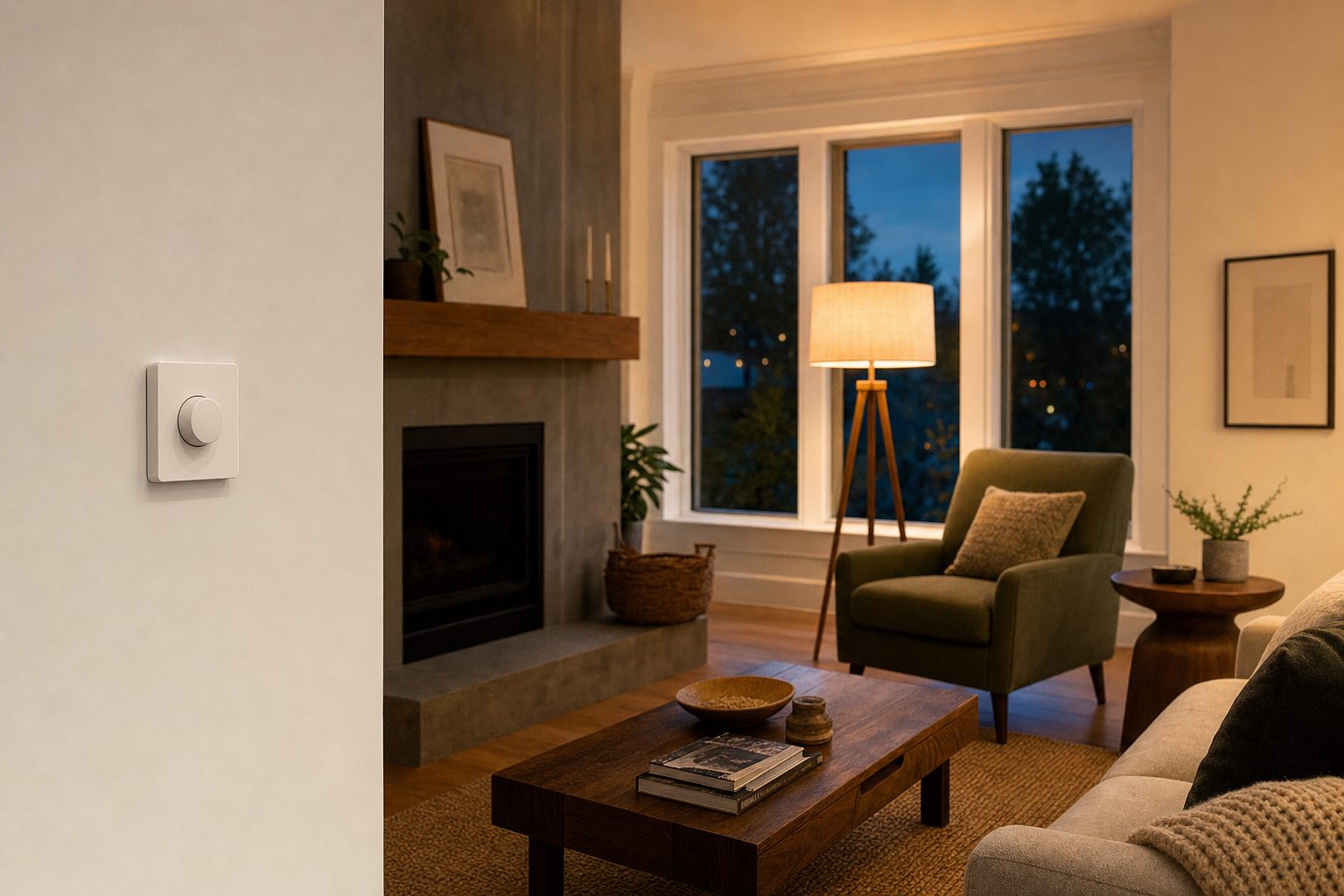
Arrival lighting is one of the best automation ideas for a rental because it is useful and reversible. A smart bulb in a floor lamp or a lamp connected to a smart plug can come on before your usual arrival time, at sunset, or when you use one voice command. It makes the entry feel ready without replacing a switch or asking permission to touch installed electrical work.
Choose a lamp you use often, rather than trying to automate every fixture. Set a short trial for one week. If the timing is wrong, change it. If it gets ignored, simplify it. For a broader look at portable upgrades, SavvyNests’ smart-home guide for renters can help you choose what belongs in an apartment and what is better left alone.

Google Home and Apple Home both support household automations, but the setup steps and supported devices vary. Use the platform’s current Google Home routine guidance or Apple Home automation instructions for the exact devices you own. A simple schedule is often more reliable than an elaborate location trigger in an apartment building.
2. Make a calm nighttime route
Late-night lighting should solve a practical problem, not wake the entire home. A plug-in motion light, a low smart bulb in a hallway lamp, or a short scheduled routine can make a bedroom-to-bathroom path easier to navigate. Warm, low light is usually more comfortable than a bright overhead fixture.
Place the light where it helps you see the floor, not where it shines directly into the bedroom. Test it for a few evenings, especially if there are pets, a busy hallway, or a heating vent that can trigger a sensor. If a motion light turns on too often, people stop noticing it. If it turns on too late, move it rather than increasing brightness.

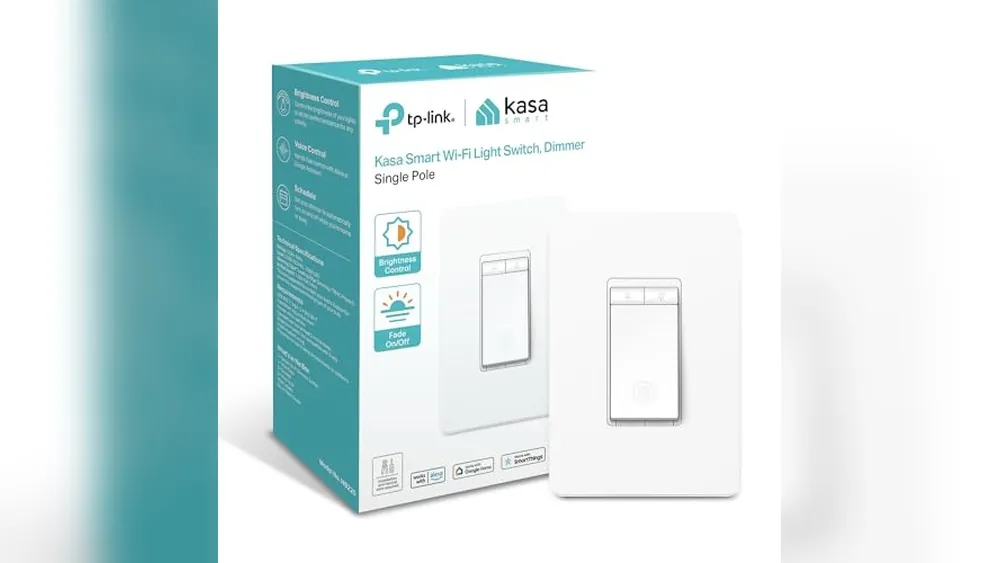
Renters who want more control over lighting can compare portable bulbs, lamps, and light strips in the Google Home smart-light guide. Avoid installing a smart switch unless the lease allows it and you know how the original switch will be restored.
3. Use a simple away routine for comfort, not false security
An away routine can turn off a few lamps, pause a fan, or set a compatible thermostat to a reasonable temperature while you are out. The goal is to remove easy-to-forget tasks, not to make the apartment look occupied through a complicated performance. Start with devices that are safe to switch off and do not need continuous power.
Do not automate heaters, cooking appliances, medical equipment, or anything the manufacturer says should not be left unattended. A smart plug can be helpful for a lamp or another suitable low-risk device, but it is not a universal remote-control outlet. For a thermostat, first check lease rules, the existing wiring, and whether you can reinstall the original unit cleanly. The apartment smart-thermostat guide covers those checks before you buy.
Make the first rule easy to explain in one sentence: “When I leave, the living-room lamp turns off at 10 p.m.” A routine that everyone in the home understands is more useful than one that needs a troubleshooting session each week.
4. Add reminders that do not depend on another subscription
A helpful automation can be as modest as a reminder to take the laundry out, check that a window is closed before rain, or start a quiet bedtime routine. A smart speaker, phone automation, or simple timer can handle these jobs without adding another camera or monthly plan. Pick reminders where a prompt changes what you do, not reminders that merely create more notifications.
Keep the action clear and private. “Move the laundry” is useful. “Apartment task” is too vague. If a reminder is tied to a shared household job, agree on who receives it and when it turns off. The best routine is easy to change when schedules shift, visitors stay over, or one roommate takes a trip. This is also a good way to test whether the household actually enjoys voice control before buying more connected gear.
5. Let water alerts do one clear job
A leak sensor is not an automation that changes the apartment. It is a small alert placed where water can cause a large problem: under a sink, beside a washing machine hose, near a water heater, or behind a toilet. Battery-powered sensors are renter-friendly because they can move with you and do not need plumbing work.
Choose the alert path before placing the sensor. Will your phone notify you? Will a roommate also receive the alert? Is the sensor loud enough to be heard when someone is home? Test it with a few drops of water according to the manufacturer’s instructions, then dry it and make sure the notification arrived. SavvyNests’ water alarm guide explains how to think through placement and testing.

A sensor should support, not replace, normal care. If you see a leak, know where to contact building maintenance and what the lease says about urgent repairs. Do not add an automatic shutoff valve to a rental’s plumbing without clear permission and professional guidance.
6. Set up shared access before you add more devices
Shared access can make a smart home feel helpful or intrusive. In a roommate household, decide which devices are shared, which notifications are shared, and who can add or remove another person. A shared lamp routine is usually simple. A camera, lock, or doorbell deserves a more deliberate conversation about privacy and access.
Keep household permissions narrow. Give each regular user their own account access when the platform supports it, remove access when someone moves out, and do not share one password in a group text. For connected security devices, choose the least intrusive alert that meets the need. The apartment security devices guide and renter video-doorbell guide can help when an alert, sensor, or camera is the better fit.

Protect the account behind each device too. Use unique passwords, turn on two-factor authentication when available, and keep the router current. SavvyNests’ router isolation guide offers a practical next step for separating connected devices from personal computers and phones. The U.S. Cybersecurity and Infrastructure Security Agency also recommends strong, unique passwords and multi-factor authentication in its Secure Our World guidance.
7. Choose routines that survive move-out
The best renter automation has a clean exit plan. Before buying, ask whether the device can be unplugged, removed without damage, reset for the next home, and packed with its accessories. Keep original bulbs, switch plates, mounting strips, screws, and manuals in one labeled container. Take a photo of the original setup before you change anything.
When it is time to move, remove household members from shared access, delete old location routines, factory-reset devices, and confirm that the next tenant cannot open your smart-home account. A reset is especially important for plugs, speakers, cameras, and locks. SavvyNests’ Schlage keypad-lock reset guide shows the kind of careful reset process that protects a household’s access codes.
A renter automation checklist
- Name one routine or worry you want to improve.
- Choose a plug-in, battery-powered, or removable device when possible.
- Confirm Wi-Fi, platform compatibility, and a manual fallback.
- Check your lease before changing installed wiring, locks, or plumbing.
- Set up one routine, then use it for a week before adding more.
- Decide who receives alerts and who can manage access.
- Keep original parts and reset information together for move-out.
How SavvyNests helps renters choose
Renters do not need a smaller version of a homeowner’s smart home. They need devices and routines that fit a temporary space, shared walls, lease rules, and a future move. SavvyNests focuses on those practical details: installation effort, privacy, compatibility, ongoing cost, and whether a device will still feel useful after the first week. Start with the renter smart-home hub, then build one uncomplicated routine at a time.
Frequently asked questions
What are the best smart-home automations for renters?
Start with a portable routine that solves a repeated problem, such as arrival lighting, a low nighttime path light, a simple away rule for a lamp, or a leak alert near laundry. These options usually need no drilling or wiring changes and can move to the next apartment.
Do I need landlord permission for smart-home automations?
Portable bulbs, plugs, sensors, and speakers usually do not change the apartment itself. Check the lease before replacing a thermostat, switch, lock, doorbell, or any installed hardware. When the rules are unclear, written permission is the safest choice.
Can roommates share smart-home devices safely?
Yes, when everyone agrees on access and notifications before setup. Use separate accounts where possible, share only the devices that need to be shared, and remove access promptly when a roommate moves out.
What should I reset when I move out?
Remove household access, delete location routines, and factory-reset smart plugs, speakers, cameras, bulbs, and other devices that store your account or Wi-Fi details. Keep original parts so the apartment can be restored cleanly.