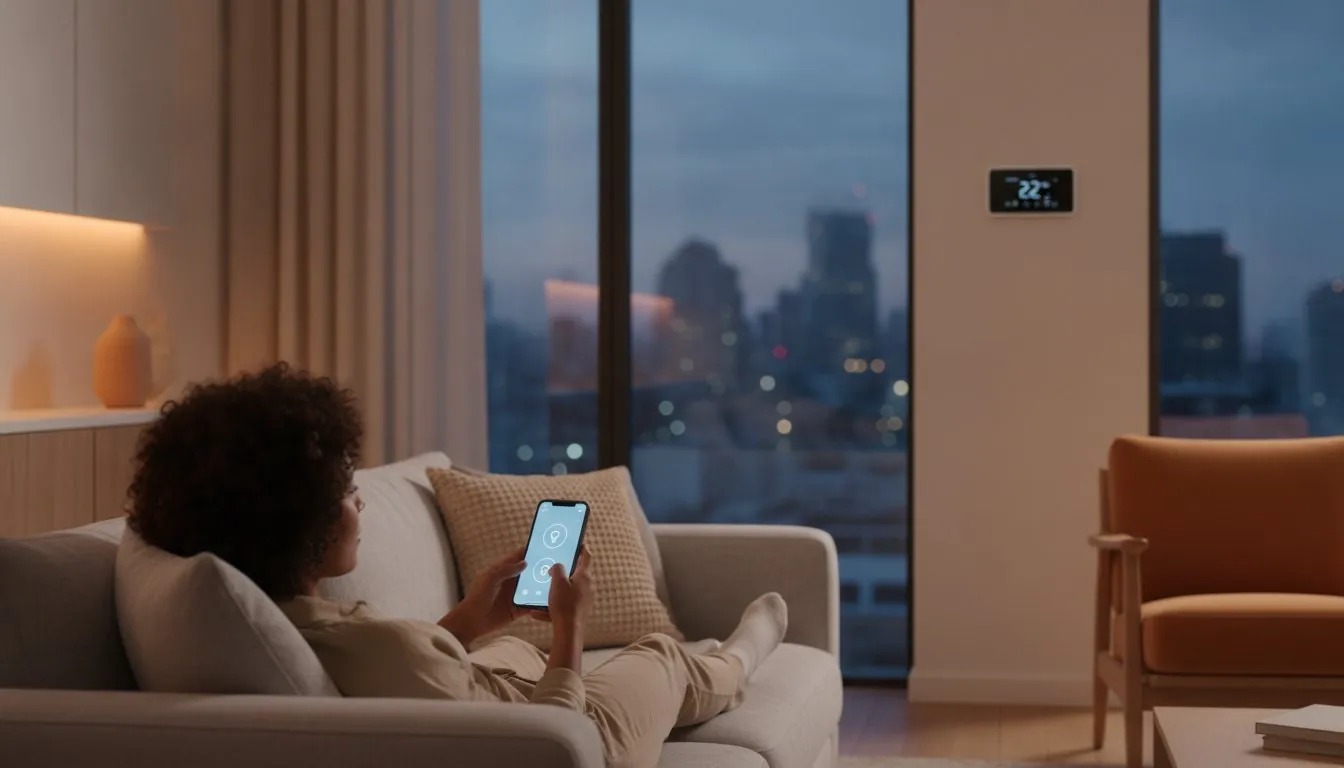
Most people believe a fully automated house is a luxury reserved for tech moguls, but in 2026, the expensive smart home is officially a myth. You can actually build a high-performing smart home on a budget for as little as current retailer pricing to current retailer pricing. It’s completely normal to feel overwhelmed by the endless sea of gadgets or worried that a cheap camera will trap you in a lifetime of expensive monthly subscriptions. We know you want a more convenient daily routine without the technical headache or the financial drain.
Key Takeaways
- Learn how to choose the best ecosystem based on your current smartphone to minimize entry costs and maximize device compatibility.
- Discover the “Big Three” essential devices that offer the most immediate convenience and impact for the smallest initial investment.
- Follow a strategic four-phase roadmap to build a complete smart home on a budget without the stress of heavy upfront costs.
- Identify and avoid the “cheap” gadget traps that lead to expensive hidden subscription fees and restrictive ecosystems.
- Unlock automation secrets that lower your monthly energy bills and create a more seamless, frictionless daily routine.
Table of Contents
What Does a Smart Home on a Budget Look Like in 2026?
Building a smart home on a budget used to mean settling for glitchy apps and devices that refused to talk to each other. Those days are over. In 2026, a budget-friendly setup focuses on high-utility gadgets that integrate seamlessly into your daily routine. You don’t need a thousand-dollar lighting system to feel the impact of home automation. Instead, you can start with a single current retailer pricing smart speaker or a current retailer pricing smart plug and expand as your needs grow. This approach prioritizes reliability and daily convenience over flashy, expensive gimmicks that you’ll likely stop using after a week.
Many users worry that building a smart home on a budget means sacrificing security or performance. However, the rise of open-source standards and more efficient manufacturing has flipped that script. You can now find robust, secure devices that don’t require a subscription to function properly. To see how powerful a low-cost setup can be, watch this breakdown of building a system with almost no upfront investment:
The “Savvy” vs. “Cheap” Distinction
Why 2026 is the Golden Age of Affordable Tech
The biggest game-changer in 2026 is the universal adoption of the Matter protocol. Previously, you had to buy expensive proprietary hubs to get different brands to work together. Now, standardisation has democratised home automation in 2026 by allowing budget-friendly sensors and lights to communicate across any major ecosystem. Essential components like motion sensors and processors have dropped in price by nearly 40 percent compared to recent years. You’re no longer paying a pioneer tax for basic features.
Choosing a Budget-Friendly Ecosystem: Alexa, Google, or Apple?
Selecting your ecosystem is the first major step. It’s the foundation of your smart home on a budget. This choice dictates which gadgets you can buy and how much you’ll pay for a central “brain.” Your current smartphone usually points the way. iPhone users have the Home app ready to go, while Android owners typically find Google Home more seamless. If you prefer to stay brand-neutral, Amazon Alexa offers the widest compatibility with third-party devices. Each system has different entry costs, but they all provide a gateway to a more convenient lifestyle.
Amazon Alexa: The King of Budget Hardware
Google Home and Apple HomeKit on a Budget
Google Home is the logical choice if you’re already in the Nest ecosystem. It’s built into almost every Android device, making it very accessible. Apple HomeKit was once considered the premium, high-cost option, but 2026 has changed that. Many budget-friendly brands now offer HomeKit support through Matter. You can build a secure, private Apple-based smart home on a budget without the “Apple tax.” For a deeper dive into affordable iOS setups, see our guide on the best smart home hub for Apple HomeKit in 2026. Our expert buying guides can help you compare specific models side-by-side.
The Essential Starter Kit: 3 Devices to Buy First
You don’t need to buy fifty different gadgets to feel the impact of a smart home on a budget. In fact, starting with too many devices often leads to technical frustration and wasted money. Instead, focus on the “Big Three”: smart lighting, smart plugs, and a single smart speaker. These three categories provide the most immediate “wow” factor because they change how you interact with your living space every single day. If you’re currently in an apartment, you’ll want to prioritize smart home devices for renters that are easy to install and even easier to remove when your lease ends.
Smart Lighting: The current retailer pricing Transformation
Smart Plugs: The Ultimate “Dumb” Tech Hack
The Smart Speaker: Your Budget Command Center
Avoiding the “Cheap” Traps: Hidden Costs and Subscriptions
Don’t get fooled by a low price tag. A current retailer pricing camera that requires a current retailer pricing monthly subscription costs current retailer pricing in its first year. That isn’t a deal. It’s a trap. This is known as the “Razor and Blade” model, where manufacturers sell hardware at a loss just to lock you into a recurring bill. Building a smart home on a budget requires looking past the initial checkout price to find the true cost of ownership. You want gadgets that work for you, not gadgets that demand a monthly allowance to stay functional.
Spotting these hidden costs is easier once you know where to look. Always check the product description for phrases like “cloud storage required” or “advanced features available with premium plan.” If a device doesn’t offer a way to store data locally or use its best features for free, it’s probably a bad investment. For those focusing on safety, our DIY Home Security Systems guide highlights several robust options that skip the subscription model entirely.
The Security Camera Subscription Trap
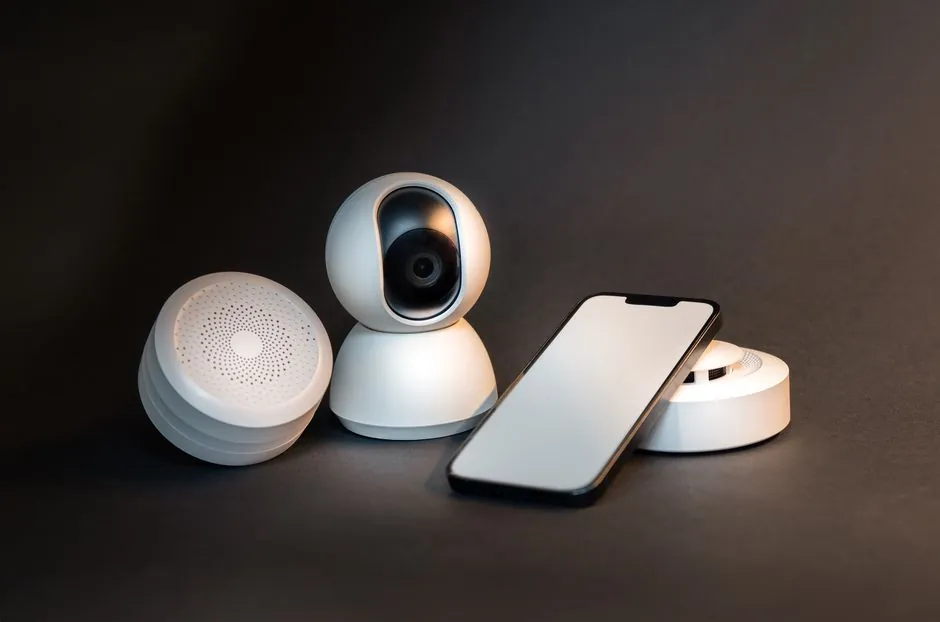
Cameras and video doorbells are the categories most prone to hidden fees. In 2026, many brands have phased out their “free” cloud tiers, meaning you can’t even see a recorded clip without paying. The savvy solution is local storage. Look for cameras with an SD card slot or a local sync module. Brands like TP-Link’s Tapo or certain Blink models allow you to store footage on a physical card you own. A one-time current retailer pricing purchase for a high-end SD card can replace a current retailer pricing annual subscription, keeping your smart home on a budget actually affordable over the long haul.
Privacy and Data: The Real Cost of “Too Cheap”
If a smart device is suspiciously inexpensive and doesn’t have a subscription, the manufacturer might be profiting from your data instead. Some ultra-cheap brands track your usage patterns and sell that information to third-party advertisers. This compromises your privacy and can even slow down your home network. Before buying a new budget brand, use this quick 3-point checklist:
- Privacy Policy: Does the brand explicitly state they don’t sell user data?
- Update History: Does the manufacturer have a record of providing regular security patches?
- Security Features: Does the app support two-factor authentication (2FA)?
Enabling 2FA is a free, essential step for any device you bring into your home. It provides a massive layer of protection against hackers without costing you a cent. Choosing reputable brands with transparent policies ensures your “savvy nest” remains a private sanctuary.
The 4-Phase Roadmap to a Complete Budget Smart Home
You don’t need to transform your entire house in a single weekend. Trying to do so is the fastest way to blow your budget and end up with a drawer full of incompatible tech. The most successful way to build a smart home on a budget is through incremental automation. This method allows you to spread out the costs over several months while learning how each device fits into your routine. By following a logical progression, you ensure that every new purchase builds upon the intelligence of the previous ones. For a deeper dive into specific model rankings, check out The Ultimate Smart Home Buying Guide.
Phase 1 & 2: Ambience and Convenience
Phase 1 focuses on the basics: lighting and voice control. Once you have a smart speaker and a few bulbs, you move into Phase 2 by adding smart plugs to automate the mundane. This is where you start creating routines. For example, you can program your coffee maker to start and your living room lamps to turn on simultaneously at 7:00 AM. Savvy tip: Always wait for major shopping holidays like Prime Day or Black Friday to buy your hubs and speakers. Prices for devices like the Echo Dot frequently drop from current retailer pricing to just current retailer pricing during these events, allowing you to double your automation power for the same price.
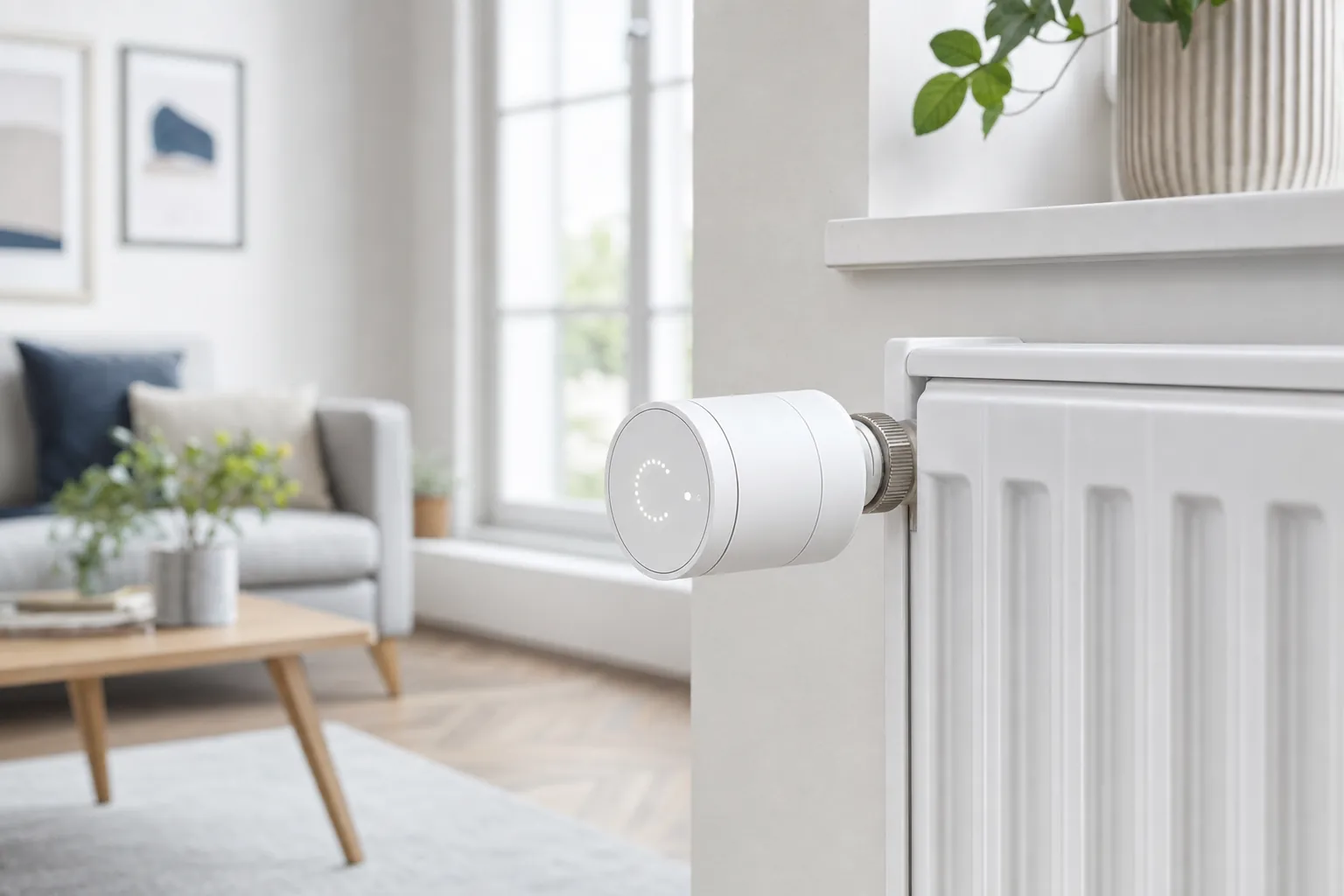
Phase 3 & 4: Security and Energy Efficiency
Take Control of Your Savvy Nest Today
Building a smart home on a budget is a journey that starts with a single smart plug and grows into a life-changing system of convenience and savings. You now have the roadmap to avoid expensive subscription traps and the technical overwhelm that stops many people from even starting. By focusing on Matter-compatible devices and using an incremental, four-phase approach, you ensure your home stays future-proof without draining your savings. Our enthusiast-led guides provide the no-nonsense advice you need to navigate these choices with confidence.
You don’t need a massive budget to enjoy the peace of mind that comes with a truly automated home. Start small, choose wisely, and watch how quickly these savvy gadgets turn your living space into a modern sanctuary. You’ve got the plan; now it’s time to make it happen.
Frequently Asked Questions
How much does it cost to start a smart home?
Starting a basic smart home on a budget typically costs between current retailer pricing and current retailer pricing. This initial investment covers a voice assistant like the Echo Dot, a few smart plugs, and essential lighting. You can lower this entry price by shopping during major sales events where hardware often drops to half price.
Can I build a smart home without a hub?
What are the best budget smart home brands in 2026?
Do budget smart home devices require a monthly subscription?
Not all budget devices require a subscription, though many security cameras offer them for cloud storage. You can avoid these recurring fees by selecting devices with local storage options, such as an SD card slot. Brands like Blink and Tapo provide ways to save your footage locally so you don’t have to pay a monthly bill.
Are cheap smart home devices safe from hackers?
Budget devices are safe as long as you prioritize brands that provide regular security updates and support two-factor authentication (2FA). Security is more about your setup habits than the price of the hardware. Always change default passwords and enable 2FA to keep your savvy nest protected from unauthorized access.
Can I use different brands of smart devices together?
You can easily use different brands together thanks to the Matter protocol, which allows for seamless interoperability. Matter ensures that a budget sensor from one brand can trigger a light from another without any technical headaches. This flexibility prevents you from being locked into one expensive ecosystem.
What is the best smart home device for saving money on electricity?
A smart thermostat is the most effective device for lowering your energy bills. These gadgets can save you approximately 10 to 12 percent on heating and 15 percent on cooling costs. Smart plugs also help by cutting power to “vampire” appliances that drain electricity even when they aren’t in use.
How do I set up a smart home if I am a renter?
Renters should focus on “no-trace” devices like smart bulbs, smart plugs, and battery-powered cameras that don’t require permanent installation. These gadgets provide all the benefits of automation without violating your lease. When you move, you can simply unplug them and take your smart home on a budget to your next property.
Article by
Michael J. Mahon
I research and compare smart-home products for homeowners and renters, focusing on practical setup, compatibility, affordability, and everyday usefulness.